Incline Bench Press
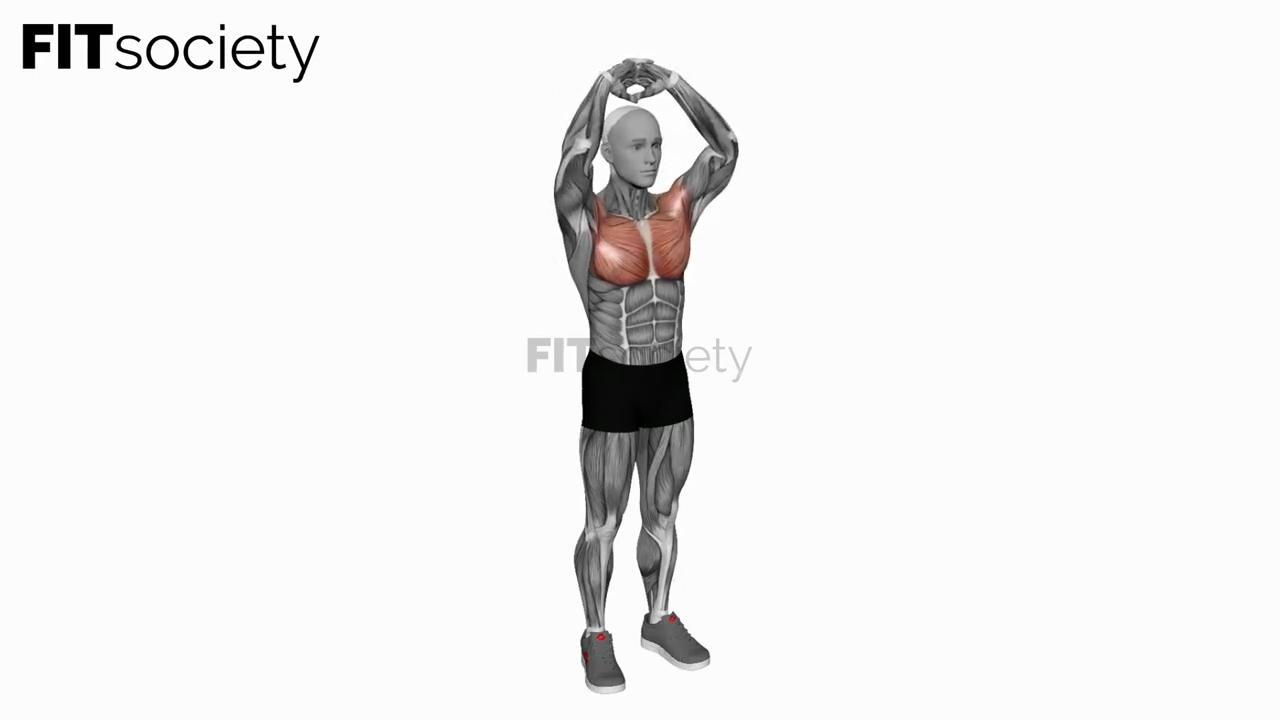
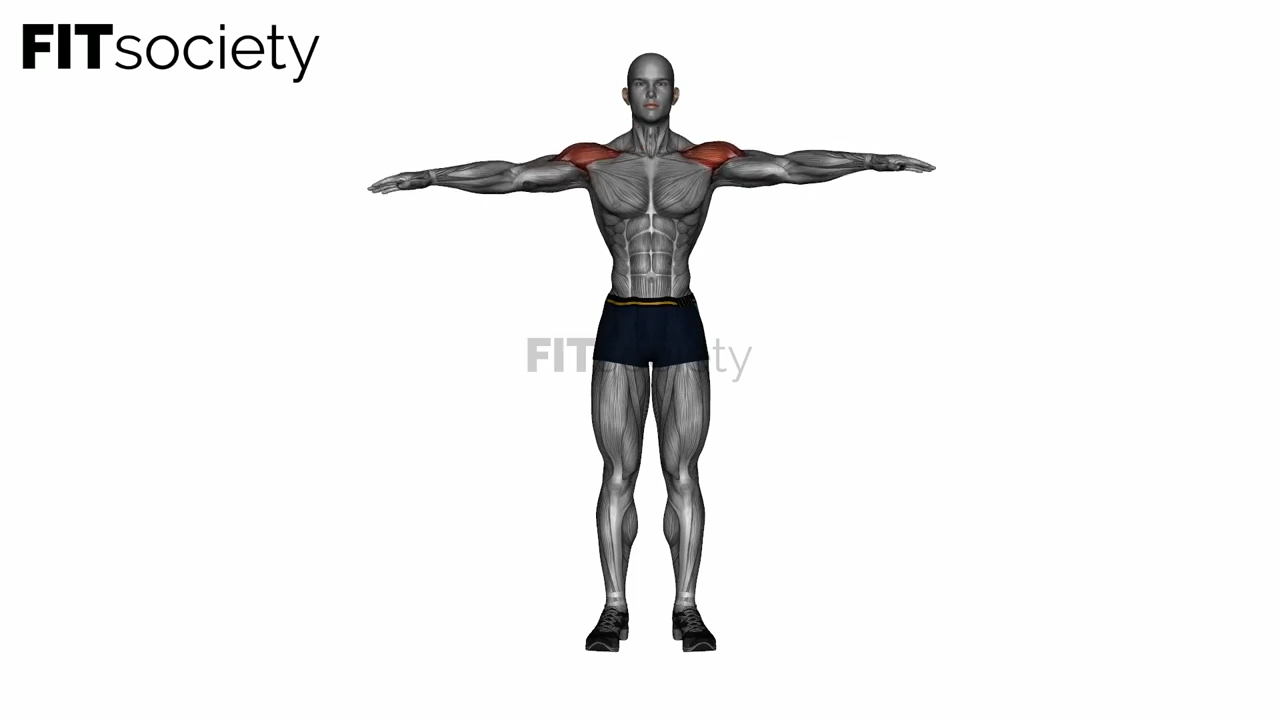
The bench press is one of the most popular exercises in strength training. It is also one of the three powerlifting exercises, alongside the squat and deadlift. It is a compound exercise that engages several large muscle groups. The chest muscles and front deltoids are engaged to pull the upper arm forward and inward. The triceps are engaged to extend the arms. Muscles in the shoulders, back, and lower back assist in stabilizing your body.
The bench press can be performed in different ways to emphasize the various muscles involved. The bench can be positioned flat or inclined. In an inclined position with the head higher than the feet, it is called incline. In this incline position, the upper fibers of the pectoralis major receive more emphasis than in the flat variation.
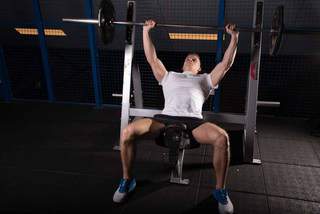
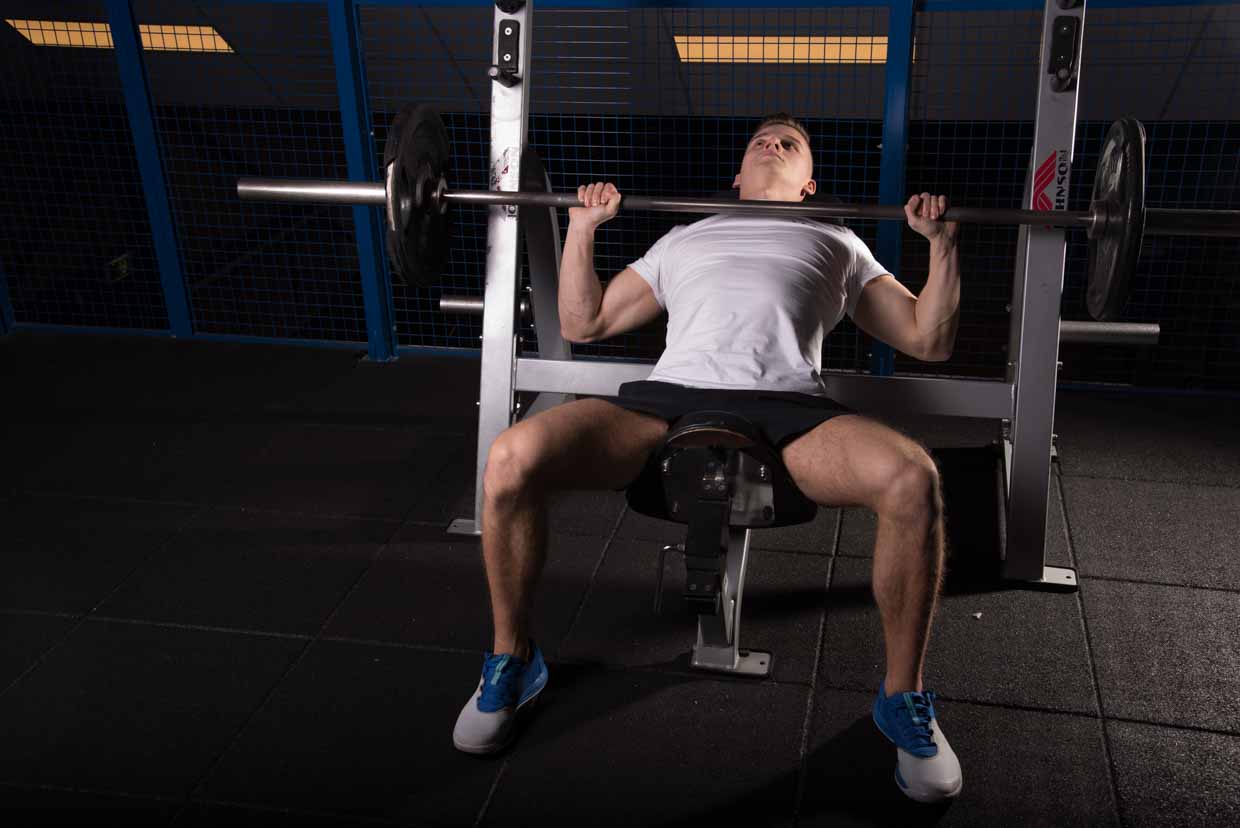
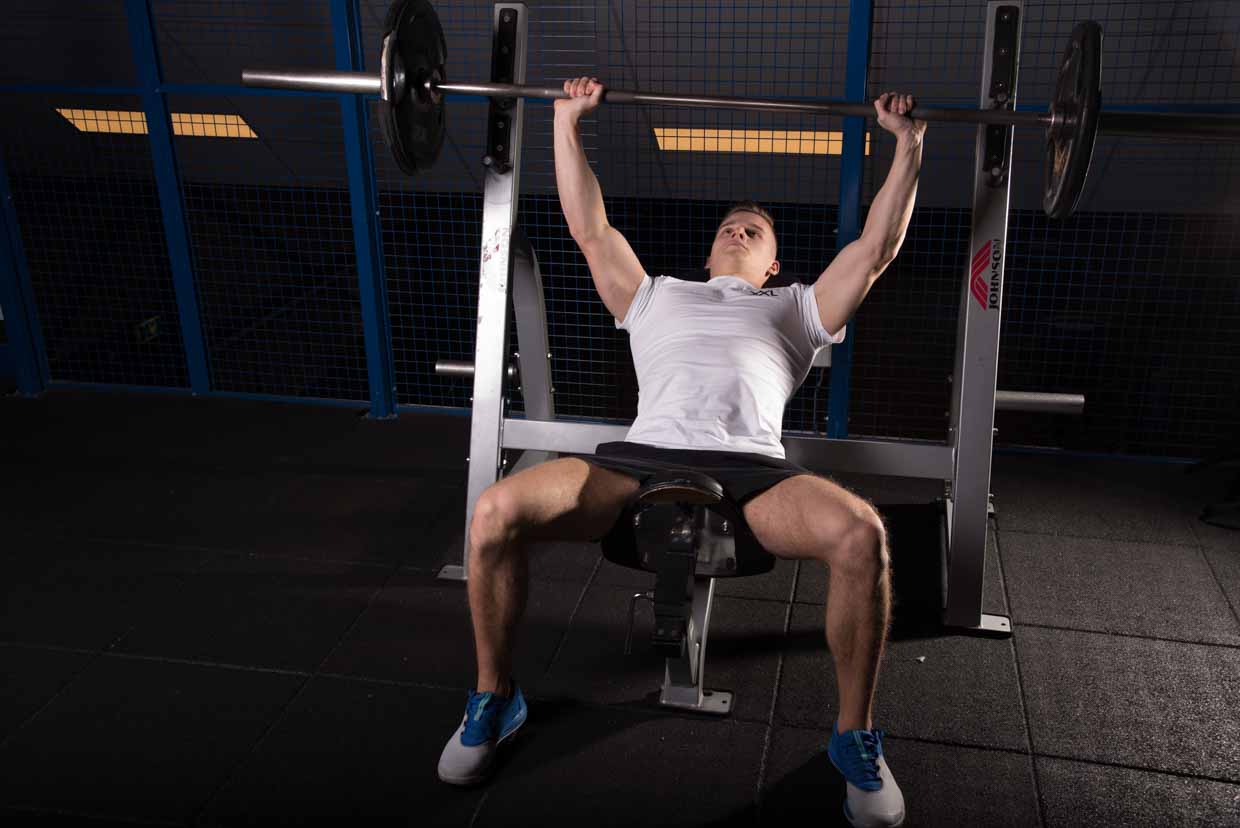
Incline bench press execution
-
1
Grip the barbell at the desired grip width (see notes).
-
2
Make sure your forearms and hands are aligned. The back of your hand should continue in a straight line with your forearm (to prevent wrist injuries).
-
3
Press the barbell out of the supports by extending your arms. Move the barbell forward in a controlled manner so that it is no longer above your face but hangs above your chest. This is your starting position.
-
4
Lower the weight in a controlled manner. Depending on your shoulder mobility, lower your elbows until they are beside your torso, or lower them farther until the barbell hangs just above the upper chest.
-
5
Press explosively to bring the weight back up until your arms are almost extended.
-
6
Repeat by lowering the weight in a controlled manner.
Incline bench press
Active muscles:
- Pectoralis major
- Pectoralis minor (depending on execution)
- Anterior deltoid
- Triceps brachii
- Serratus anterior
- Coracobrachialis
Stabilizing muscles:
- Rotator cuff (stabilizing shoulder muscles, supraspinatus, subscapularis, teres major, teres minor)
- Serratus
- Trapezius
- Biceps brachii
- Latissimus dorsi
- Core muscles
Incline bench press preparation
- Place a barbell at the correct height on the supports of an incline bench. Choose a height approximately halfway through the exercise's range of motion. Positioning it too high can cause problems when reracking it after an exhausted final repetition.
- Choose the appropriate weight for the desired number of repetitions. Secure the plates with collars.
- Lie on the bench. The barbell should be approximately level with your eyes.
Incline bench press technique
Many studies have examined the effect of different grips on the barbell (narrow vs. wide) and the angle of the bench.
Because of the different conditions under which they are conducted, these studies sometimes show different results. Nevertheless, we can see a general trend in the research and identify possible exceptions. The effects of grips and angles below are accepted by most researchers, athletes, and trainers.
Flat vs. incline and decline
An incline bench increases activation of the chest muscle fibers that run from the clavicle to the upper arm. The chest muscle fibers that run from the sternum to the arm are engaged less. This primarily trains the upper portion of the chest, which accounts for approximately one-third of the surface area of the chest muscle.
A decline bench instead increases activation of the lower fibers, while the upper portion has to work less. These lower fibers account for approximately two-thirds of the surface area of the chest.
Although this is supported by several studies, some studies show different results.
Wide vs. narrow
A narrow grip (shoulder-width and narrower) requires a greater range of motion of the forearm relative to the upper arm. This would mean greater engagement of the triceps and front deltoids. A wider grip instead increases engagement of the pectoralis major. However, research among experienced powerlifters shows that years of experience can eliminate these usual differences in muscle engagement.
Arched back vs. flat back
Sometimes you see people create a kind of bridge by forming a very pronounced arch in their back during the bench press. This is counterproductive when performing the incline bench press. By arching your back, you reduce part of the angle of the incline bench. Therefore, keep your back against the bench in a normal curvature.
Safety:
The bench press and squat are the most classic ways to get into trouble at the gym. The number of repetitions you perform in each set is a trade-off between safety and effectiveness. Do you try one more repetition to exhaust your muscles as much as possible? Or do you choose certainty because it looks so ridiculous when you try to crawl out from under a barbell while calling for help?
Working with a partner or spotter gives you a little more leeway in this decision. It is important to have a spotter who can actually provide sufficient assistance if needed, knows when it is needed and to what extent. Also communicate beforehand exactly what is expected of the spotter. Should they help lift the barbell out of the rack or not? Should they keep their hands close to the bar from the first repetition or only intervene when necessary? Continue communicating during the exercise. The most unpleasant accidents often happen because of miscommunication.
Alternatives
- Bench press
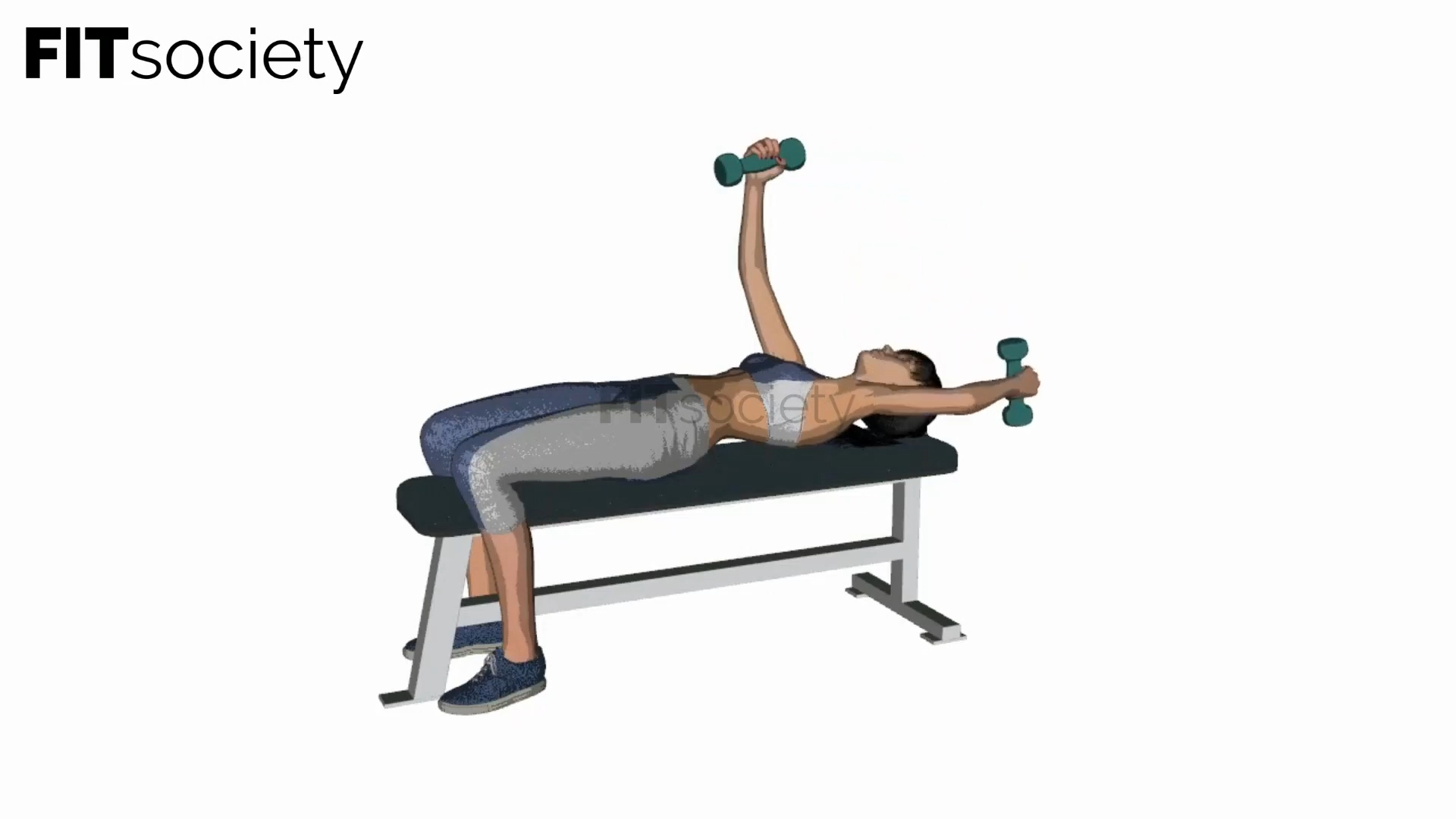
- Dumbbell bench press
- Incline bench press
- Smith machine bench press
Run your fitness business with more structure
- Planning, member management and coaching in one platform
- Built for coaches, studios and gyms
- Fewer separate tools, more overview