Elbow Squeeze
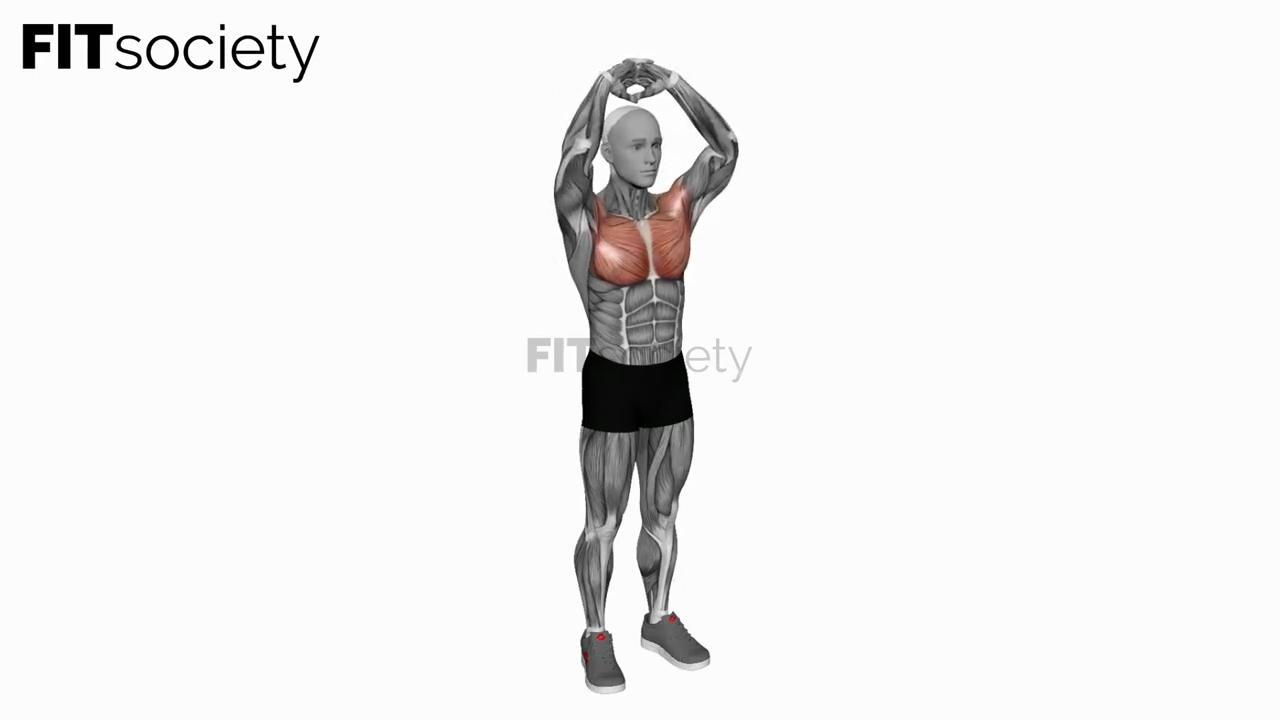
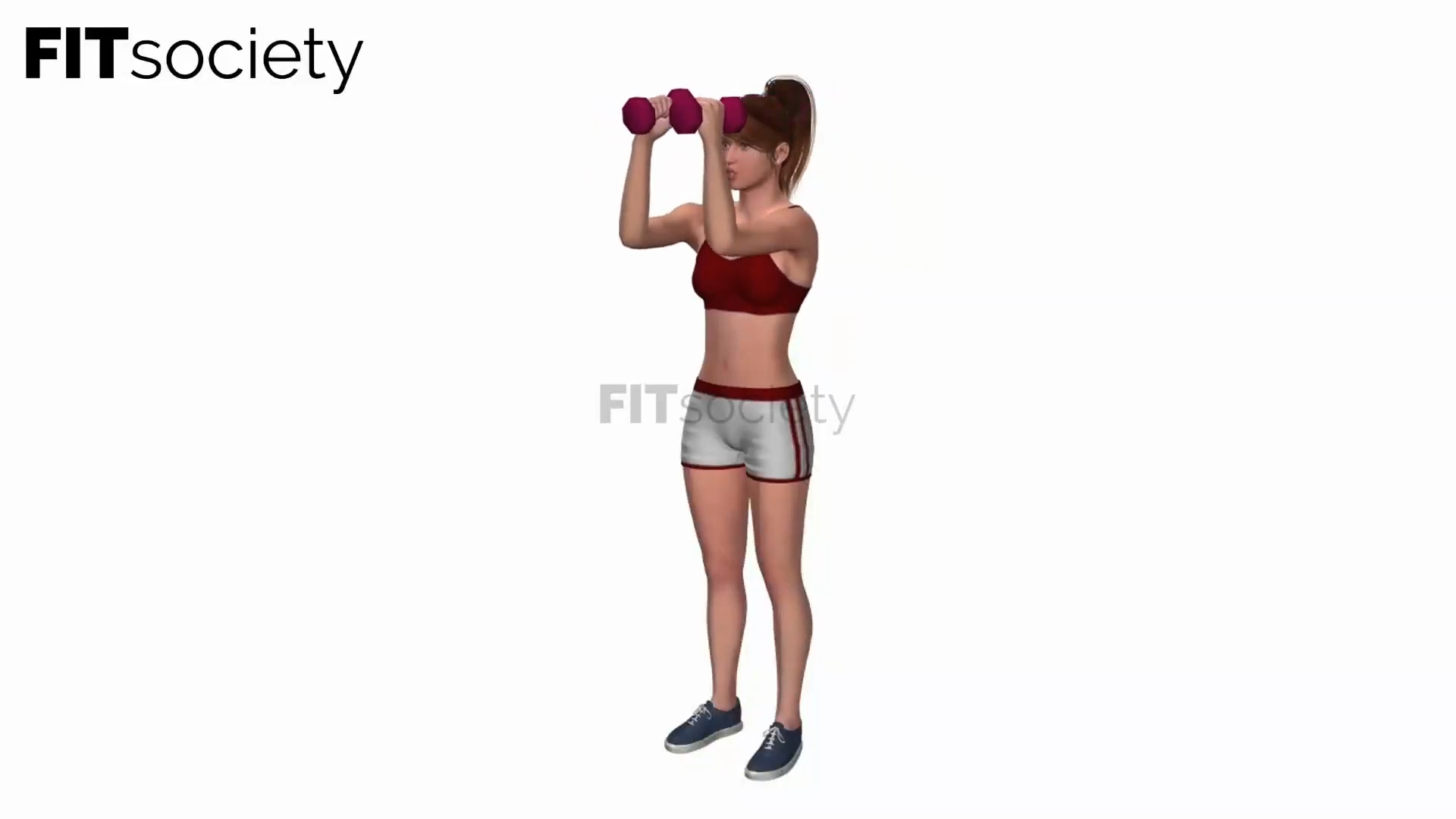
The Elbow Squeeze is an effective exercise that targets the chest muscles and shoulders. This exercise is unique because it emphasizes the inner chest and helps improve posture by strengthening the muscles around the shoulder blades.
Benefits:
- Strengthens the inner chest muscles.
- Improves posture by strengthening the muscles around the shoulder blades.
- May help reduce shoulder pain by improving shoulder stability.
Common Mistakes:
- ! Performing the movement too quickly: Make sure to perform the movement slowly and with control to train the muscles effectively.
- ! Not applying enough pressure: It is important to focus on squeezing your elbows together to properly activate the chest muscles.
Instructions:
- Begin standing with your feet shoulder-width apart.
- Raise your arms to shoulder height, bend your elbows, and bring your palms together in front of your chest.
- Press your elbows together and hold the pressure for approximately 1–2 seconds.
- Slowly let your elbows move apart again, but keep your palms close together.
- Repeat this movement for the desired number of repetitions.
Primary Muscles:
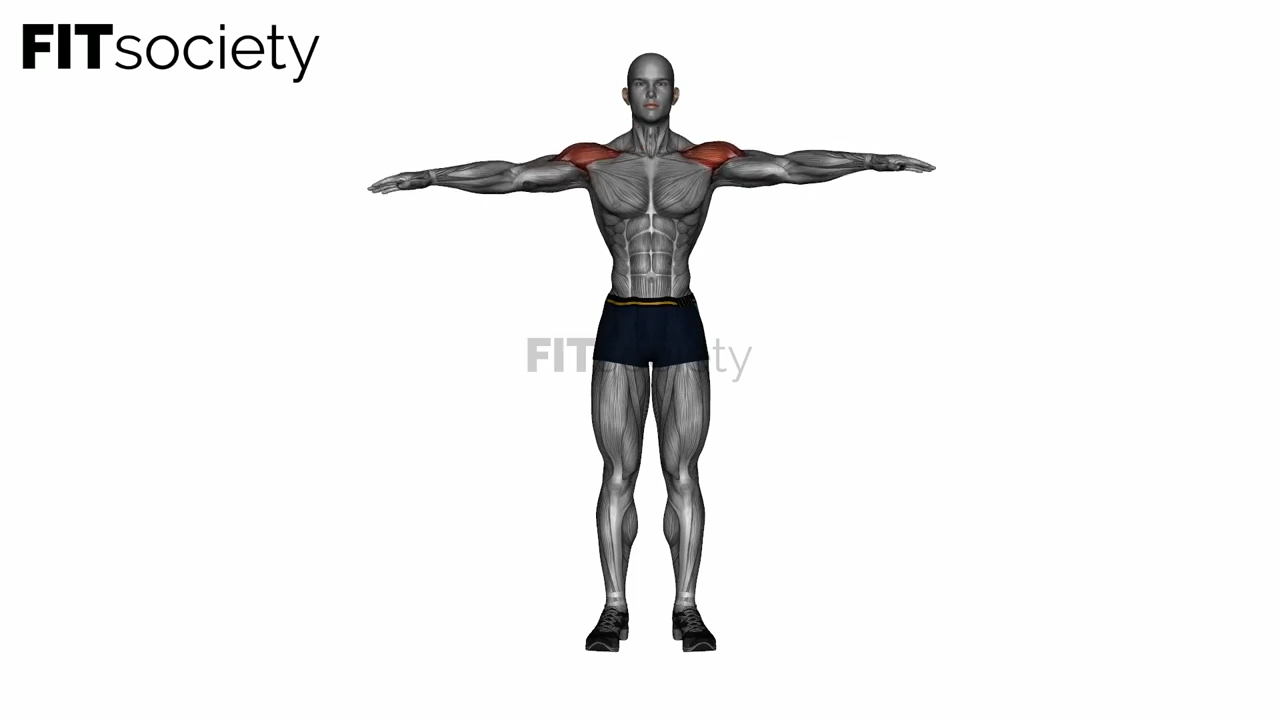
This exercise primarily trains the pectoralis major (chest muscles) and the deltoids (shoulders). The muscles around the shoulder blades, such as the rhomboids, are also involved to improve posture.
Possible Alternatives:
- To increase the intensity, you can use a resistance band. Hold the ends of the band in each hand and place the band behind your back at shoulder height. Perform the exercise as described with the additional resistance of the band.
- For a lighter variation, you can perform the exercise seated, which helps focus more on the chest muscles and less on balance.
Run your fitness business with more structure
- Planning, member management and coaching in one platform
- Built for coaches, studios and gyms
- Fewer separate tools, more overview