FITsociety IO
Try for free
Fitness

Fitness trends by year: 2014-2026 overview

| · 2 min read time

This overview brings together the annual fitness trends from 2014 through 2026. The series is intended as a practical timeline: what was big at the time, what remained, and which hypes disappeared from the top again?

How we read the series

The basis is ACSM's annual Worldwide Survey of Fitness Trends. That list does not measure what is necessarily the best training program scientifically, but what professionals worldwide expect to become visible in clubs, coaching and consumer behavior.

That is why the series is especially useful for context. Wearables, HIIT, bodyweight training, online training and strength training keep returning, but their meaning shifts from year to year.

Fitness trends by year

YearNumber 1Article
2014High-intensity interval training (HIIT)Fitness trends 2014: HIIT breaks through
2015Body weight trainingFitness trends 2015: bodyweight training at the top
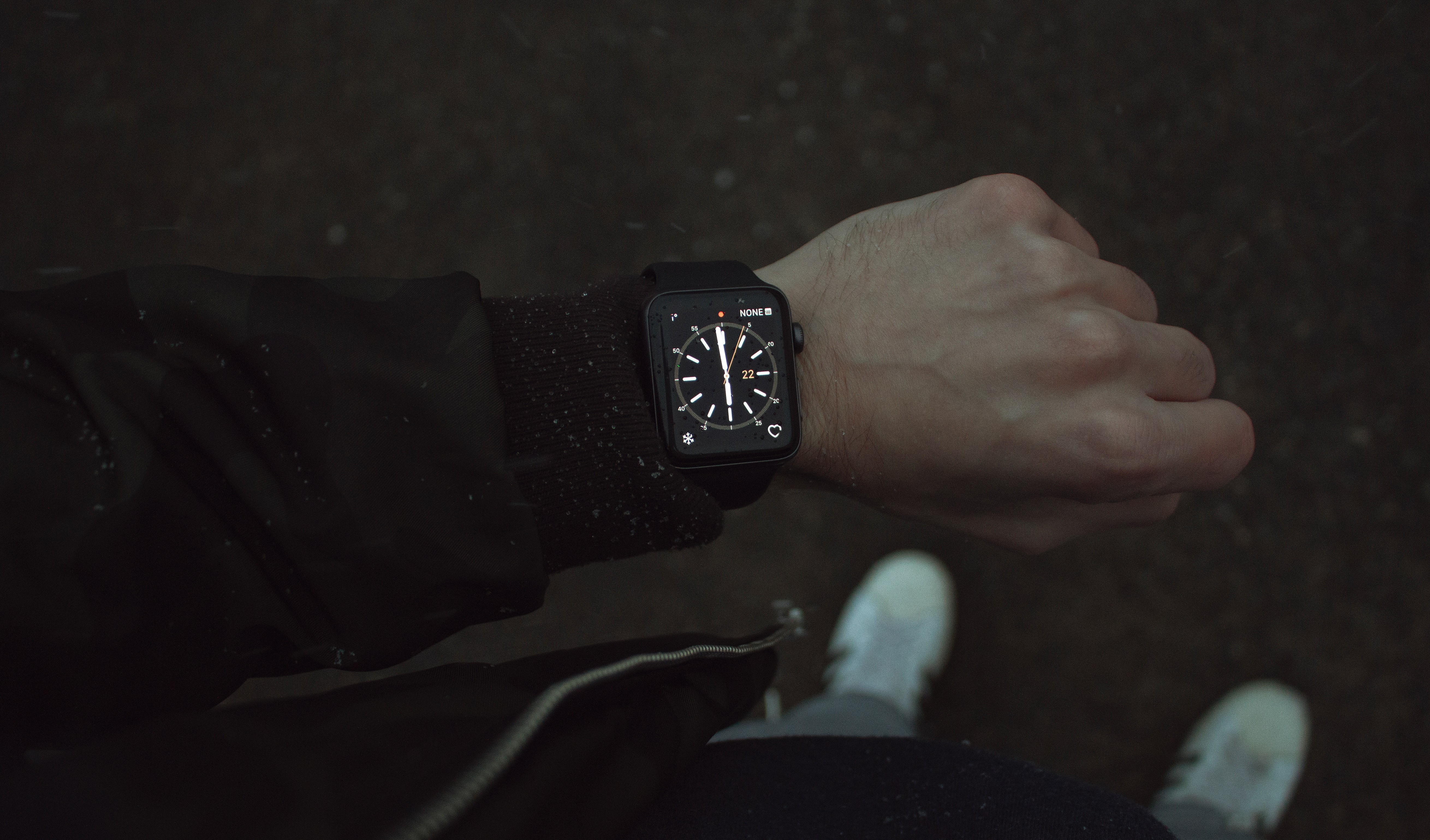
2016Wearable technologyFitness trends 2016: wearables take the lead
2017Wearable technologyFitness trends 2017: wearables remain number 1
2018HIITFitness trends 2018: HIIT and group training at the top
2019Wearable technologyFitness trends 2019: wearables, group training and HIIT
2020Wearable technologyFitness trends 2020: wearables and free weights
2021Online trainingFitness trends 2021: online training tops the list due to COVID
2022Wearable technologyFitness trends 2022: wearables, home gyms and outdoor training
2023Wearable technologyFitness trends 2023: back to strength training
2024Wearable technologyFitness trends 2024: wearables and workplace wellness
2025Wearable technologyFitness trends 2025: apps, data and strength training
2026Wearable technologyFitness trends 2026: wearables, active aging and weight management

The main line from 2014 to 2026

In 2014 and 2015, the list strongly revolved around intensity and simplicity: HIIT and bodyweight training were appealing because they require little equipment and fit well with short, clear workouts.

Run your fitness business with more structure

  • Planning, member management and coaching in one platform
  • Built for coaches, studios and gyms
  • Fewer separate tools, more overview
Run your fitness business with more structure

From 2016 onward, wearable technology became a constant factor. At first it was mainly about measuring, later increasingly about data, apps and personal feedback.

The pandemic years temporarily changed the ranking. Online training, home gyms and outdoor training took on a much larger role, while classic club formats temporarily moved lower.

The most recent years show a more mature market. Older exercisers, mental health, weight management, apps and data are now structurally part of fitness, not just separate niches.

Why we keep these articles available

These trend articles have substantive value because they form a continuous timeline. Instead of removing them, we use them as an evergreen series that can be expanded every year.


Sources

Curious how FITsociety fits your business?

See how intake, training, payments and communication come together.

Start a free trial and explore the workflow at your own pace.

Curious how FITsociety fits your business?
fitness trends ACSM wearables strength training fitness industry

Leave a comment

Your comment will be reviewed before it becomes visible.

Back to Fitness