Wall Angles
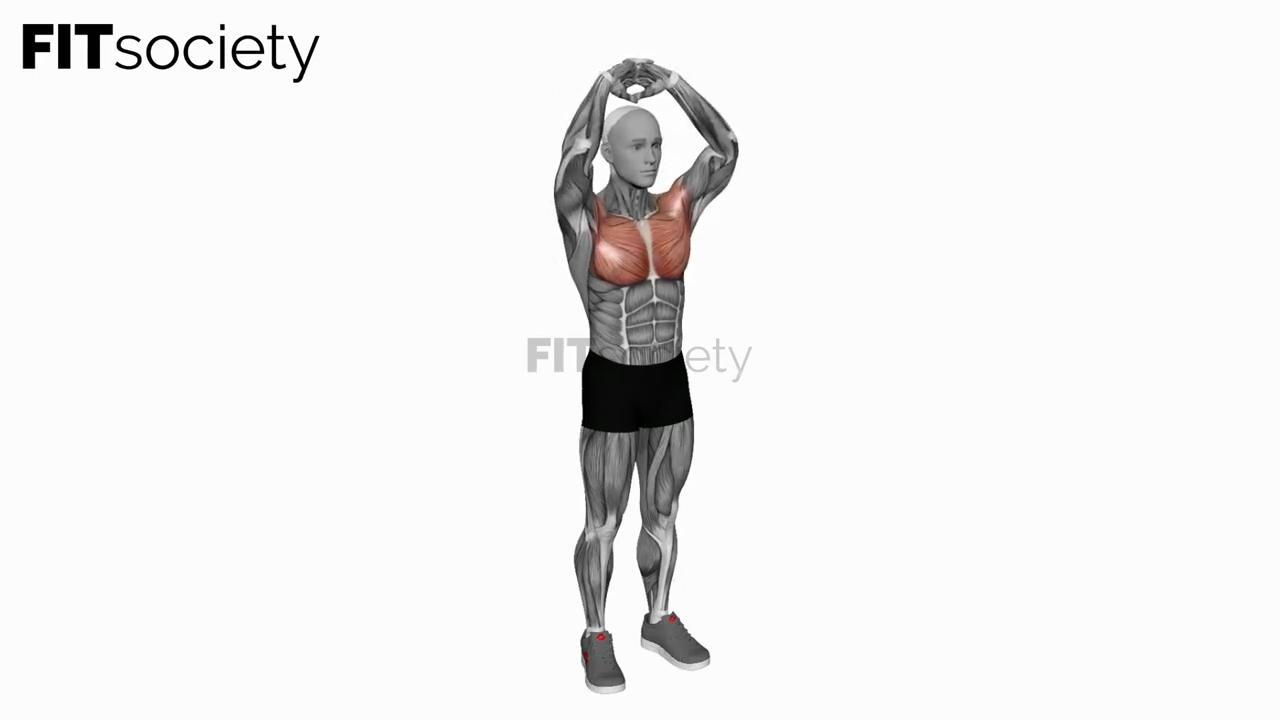
The Wall Angles exercise is a fantastic way to strengthen and mobilize your shoulders, upper back, and neck. This exercise helps improve your posture and may reduce tension in the upper back and neck, which is especially useful if you spend a lot of time at a desk.
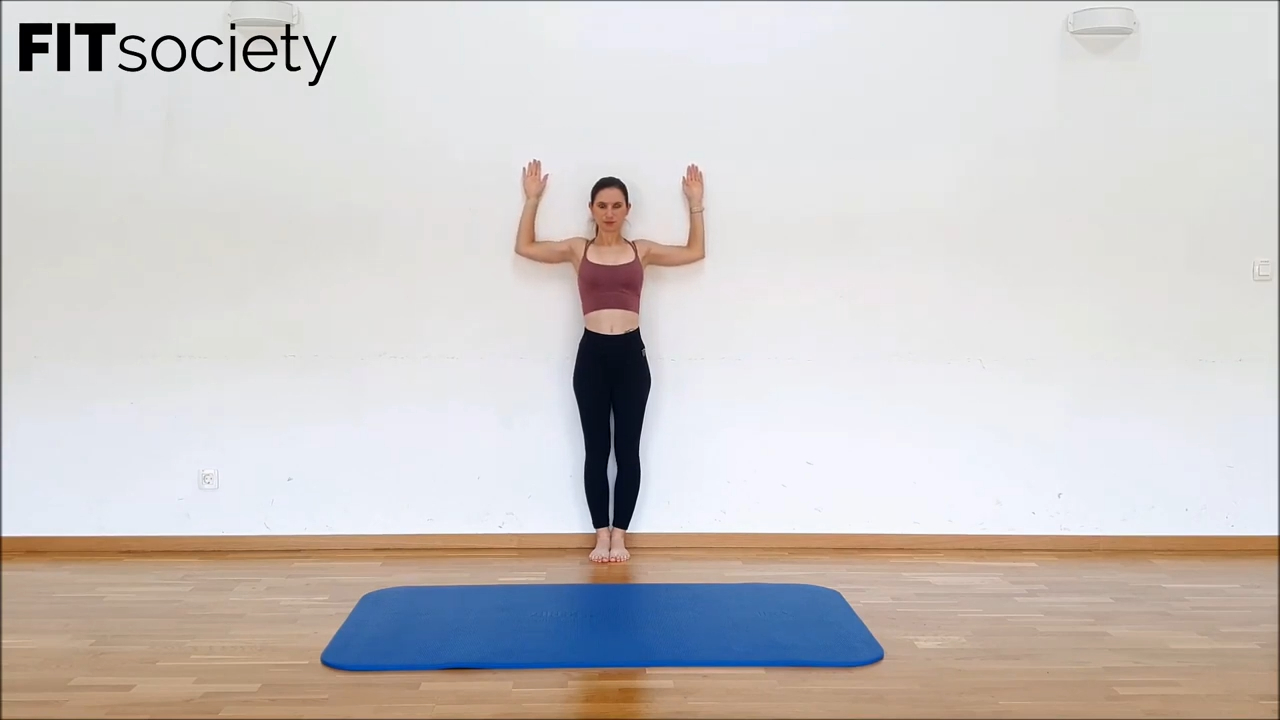
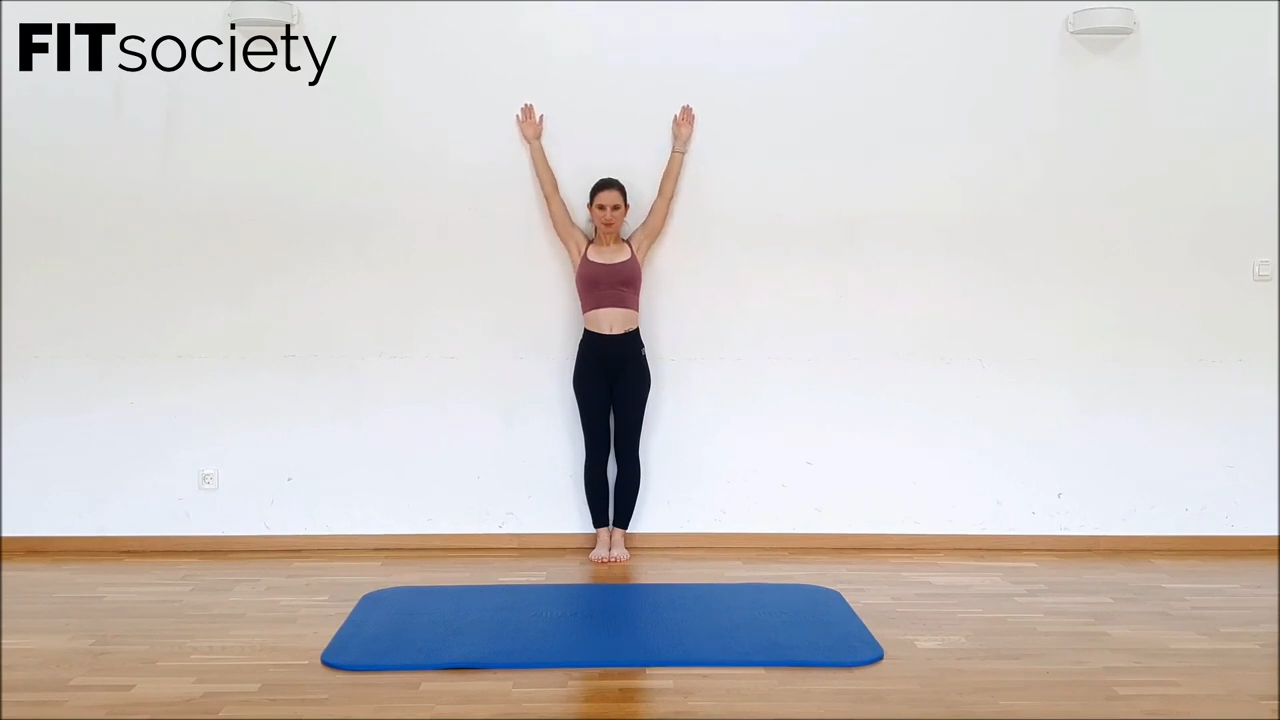
Execution
-
1
Begin by standing with your back against a wall. Make sure your head, shoulders, and buttocks are touching the wall.
-
2
Place your feet a few centimeters away from the wall, approximately shoulder-width apart.
-
3
Raise your arms into a 'W' position with your elbows bent, and press your forearms against the wall.
-
4
Slowly slide your arms upward into a 'Y' position, while ensuring that your hands and arms remain in contact with the wall.
-
5
Slowly lower your arms back to the starting position.
-
6
Repeat this movement for 10–15 repetitions.
Benefits
This exercise offers several benefits, including improved shoulder mobility and stability, relief from neck and shoulder pain, and better posture. It is an excellent exercise for anyone who wants to improve their shoulder health and reduce the risk of injuries.
Common Mistakes
- ! Lifting your back away from the wall: Make sure your back, including your lower back, remains in contact with the wall.
- ! Moving too quickly: Perform the movement slowly and in a controlled manner to activate the correct muscles.
- ! Lifting your elbows and wrists away from the wall: Try to maintain contact with the wall throughout the entire exercise.
Primary Muscles
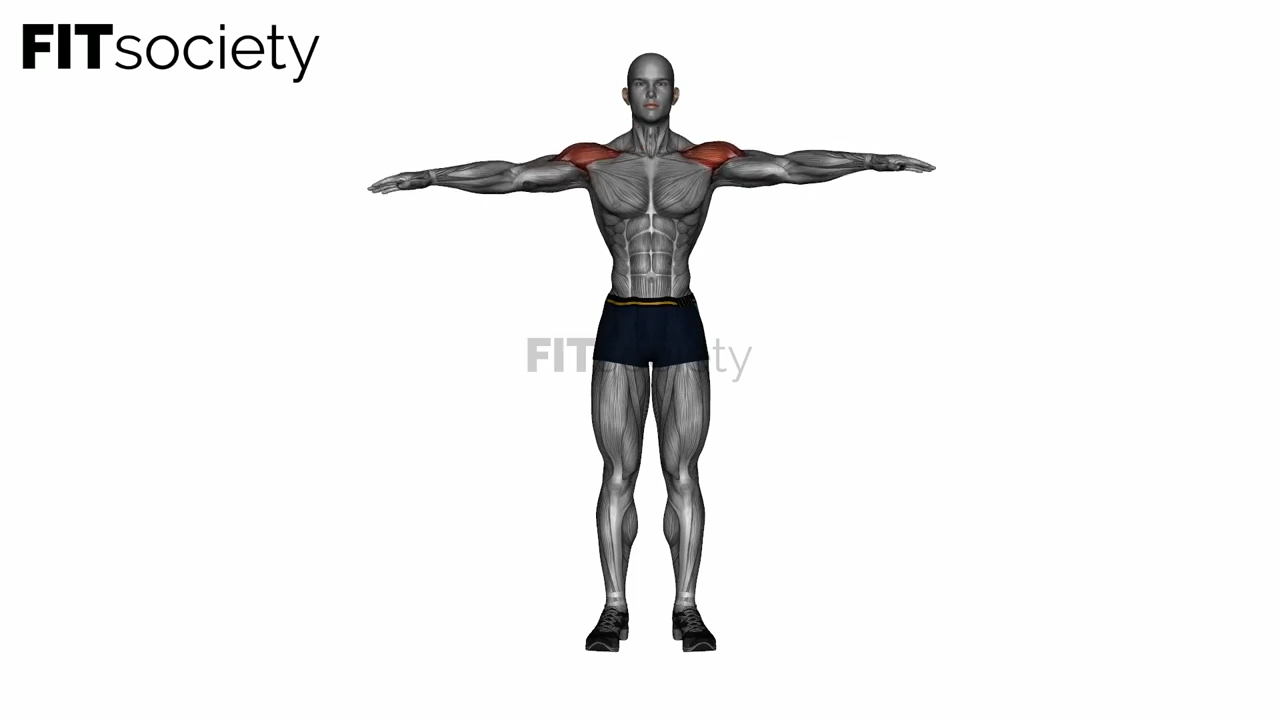
The Wall Angles exercise primarily targets the deltoids (shoulders), the trapezius (upper back), and the rhomboids (between the shoulder blades). This exercise also helps activate the rotator cuff muscles, which are essential for shoulder stability.
Possible Alternatives
If you want to adjust the intensity of Wall Angles, you can try placing a resistance band around your wrists while performing the exercise. This adds extra resistance and makes the exercise more challenging. Another variation is to perform the exercise lying on the floor, which helps keep your lower back flat and engages your core muscles more.
Run your fitness business with more structure
- Planning, member management and coaching in one platform
- Built for coaches, studios and gyms
- Fewer separate tools, more overview