Fire Hydrant
The fire hydrant is named after a fire hydrant and its primary function for dogs. For humans, it is an exercise that performs a function of the gluteal muscles. All three gluteal muscles are engaged for abduction of the legs (moving outward from the midline). In addition to the gluteus maximus, medius, and minimus, the tensor fasciae latae is also engaged. This muscle on the outer side of the thigh not only stabilizes the leg while standing and walking but also functions in abduction.
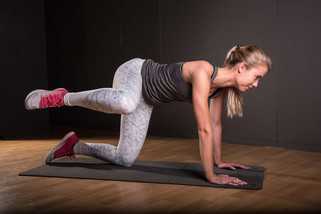
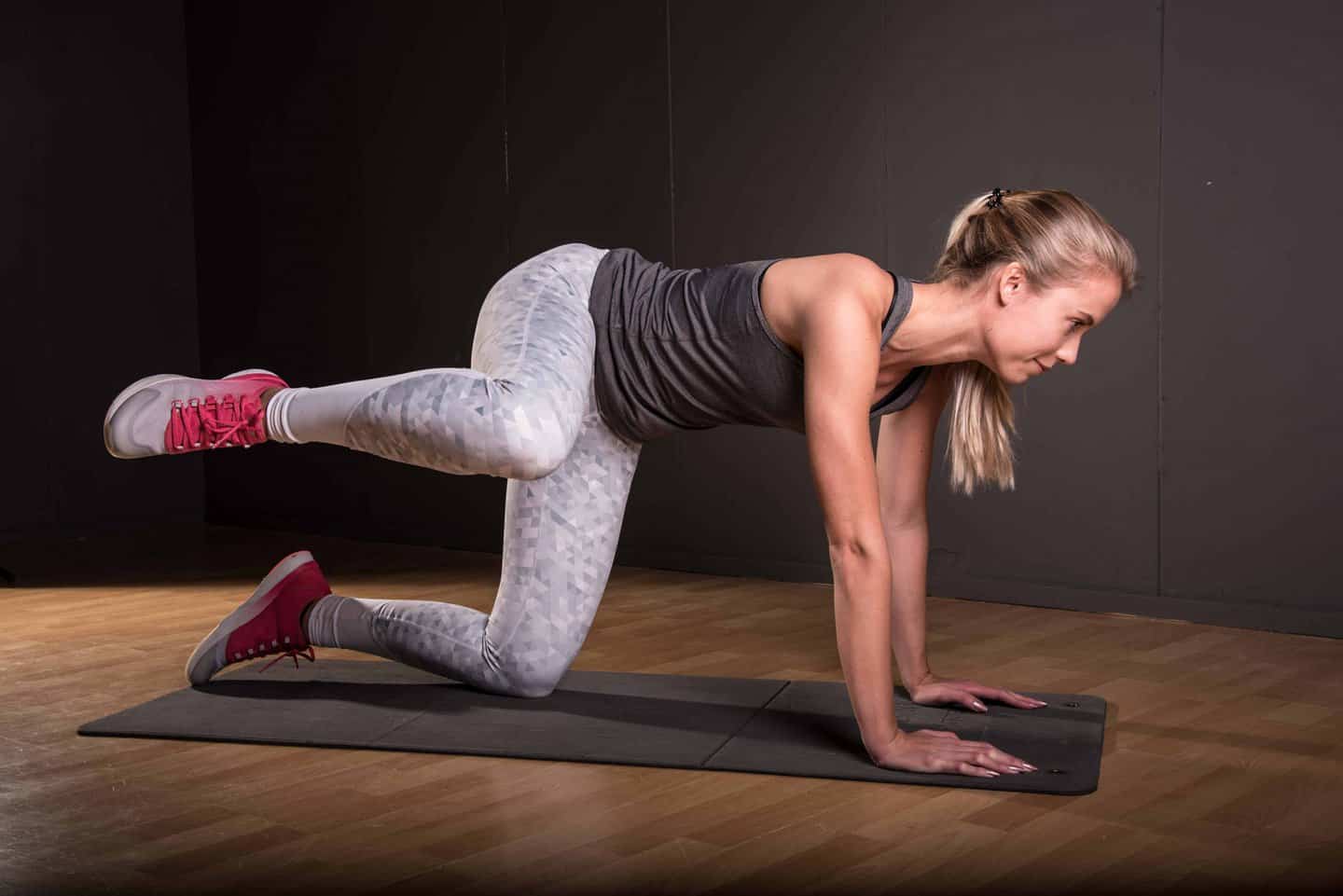
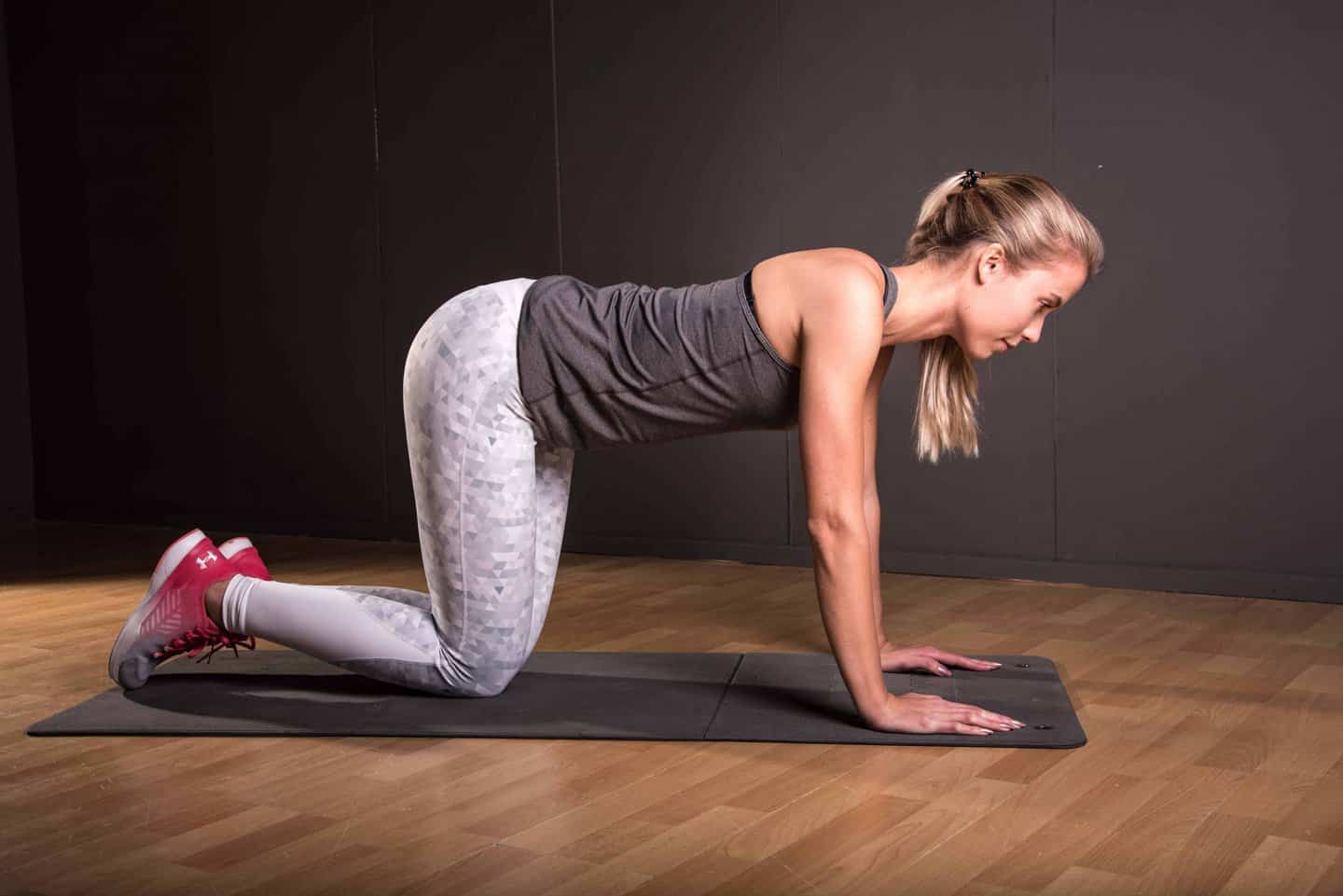
Fire Hydrant execution
-
1
Get on your hands and knees with your hands directly under your shoulders and your knees directly under your hips.
-
2
Shift your weight onto your left knee. This is your starting position.
-
3
Controlledly bring your right knee outward and upward to just below hip height, or not as high if your groin is not flexible enough for it.
-
4
Controlledly bring the knee back.
-
5
Repeat on the same side and switch legs with each set.
Fire Hydrant
Main muscles:
- Gluteus maximus (especially the lower portion), gluteus medius, and minimus
- Tensor fasciae latae
Fire Hydrant technique
You do not primarily perform abductor exercises for an attractive set of glutes. Most of the mass of the gluteal muscles is used for another function: extension of the legs. You mainly perform this exercise for functional reasons, to prevent injuries, improve athletic performance, or as rehabilitation. Think of sideways stepping movements, which are very common in practice and sports but are trained relatively little in the gym.
The combination of gravity and the mass of the leg does not provide much resistance, especially at the beginning of the movement when the knee moves almost parallel to the floor. Therefore, emphasize the upper part of the movement by holding the knee there for two seconds and strongly tensing the gluteal muscles.
Do not try to 'compensate' for the lack of resistance by throwing the knee up extra quickly and high. You then only use more momentum at the beginning of the movement to make lifting it easier during the final part. While the gluteal muscles therefore have to work less during the most difficult part, you also increase the risk of groin injuries.
Alternatives
- Standing abduction (band around ankles)
- Side bridge/plank with hip abduction
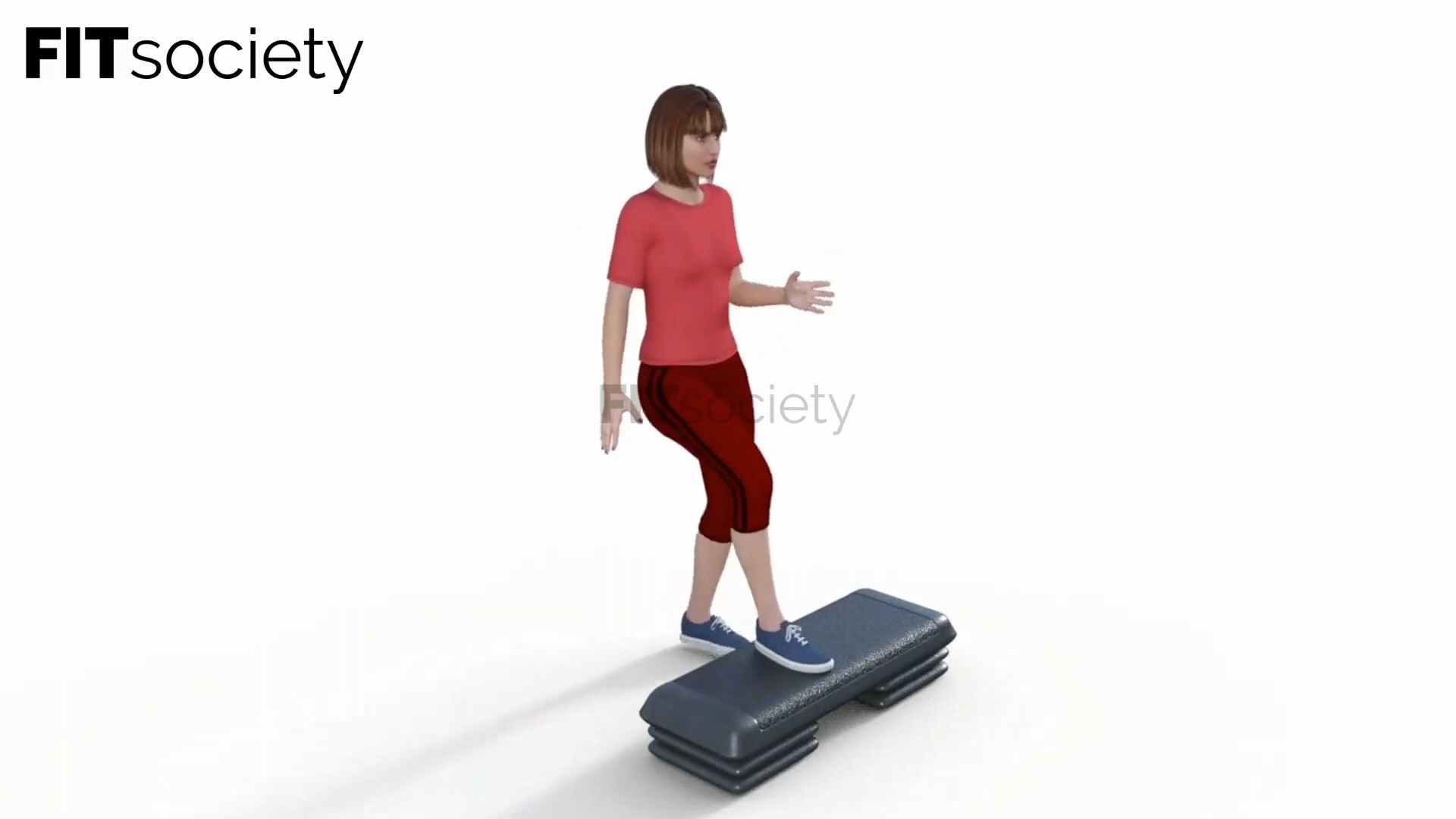
- Cross-over step-up
Run your fitness business with more structure
- Planning, member management and coaching in one platform
- Built for coaches, studios and gyms
- Fewer separate tools, more overview