Side Push-Up
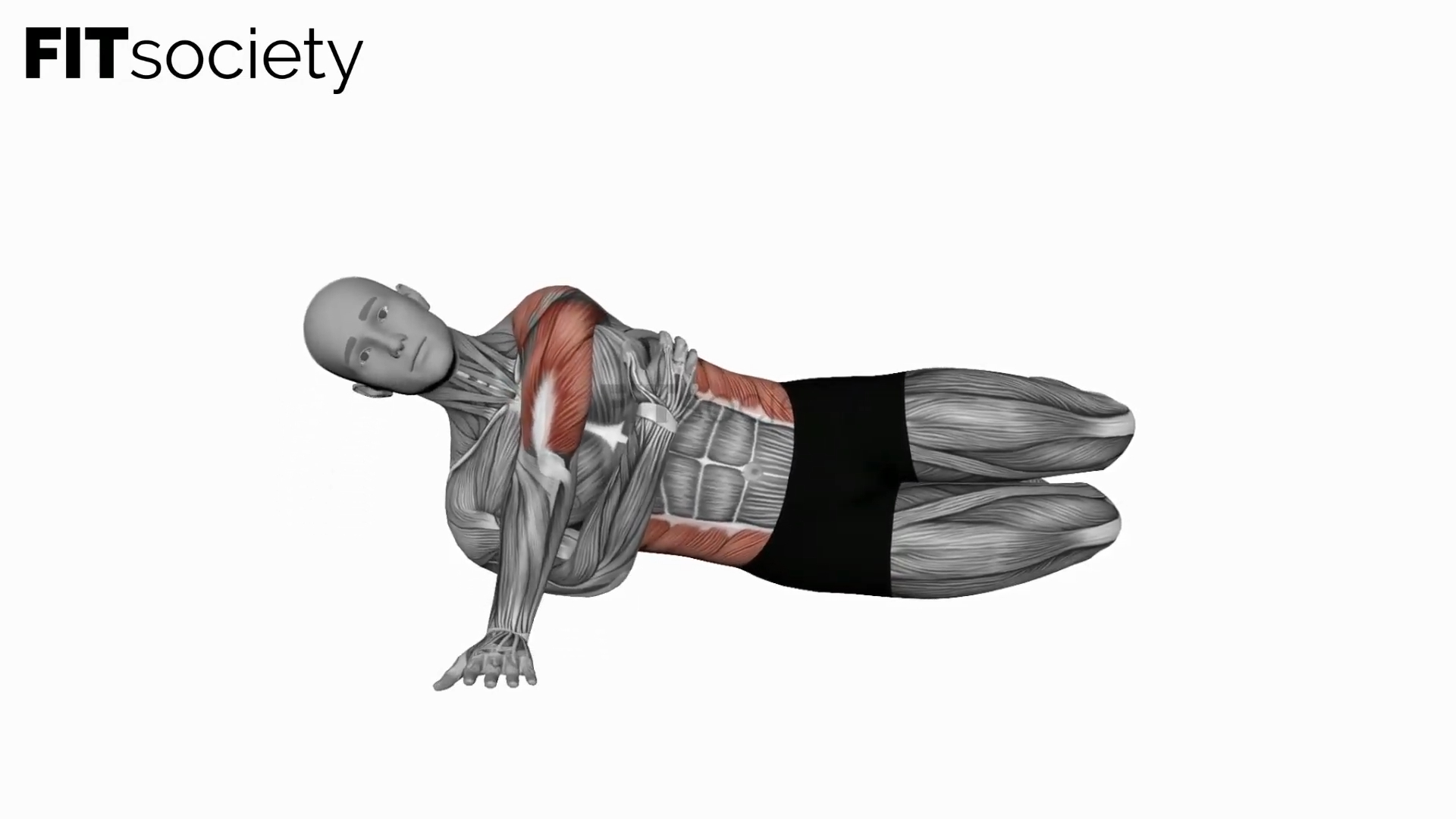
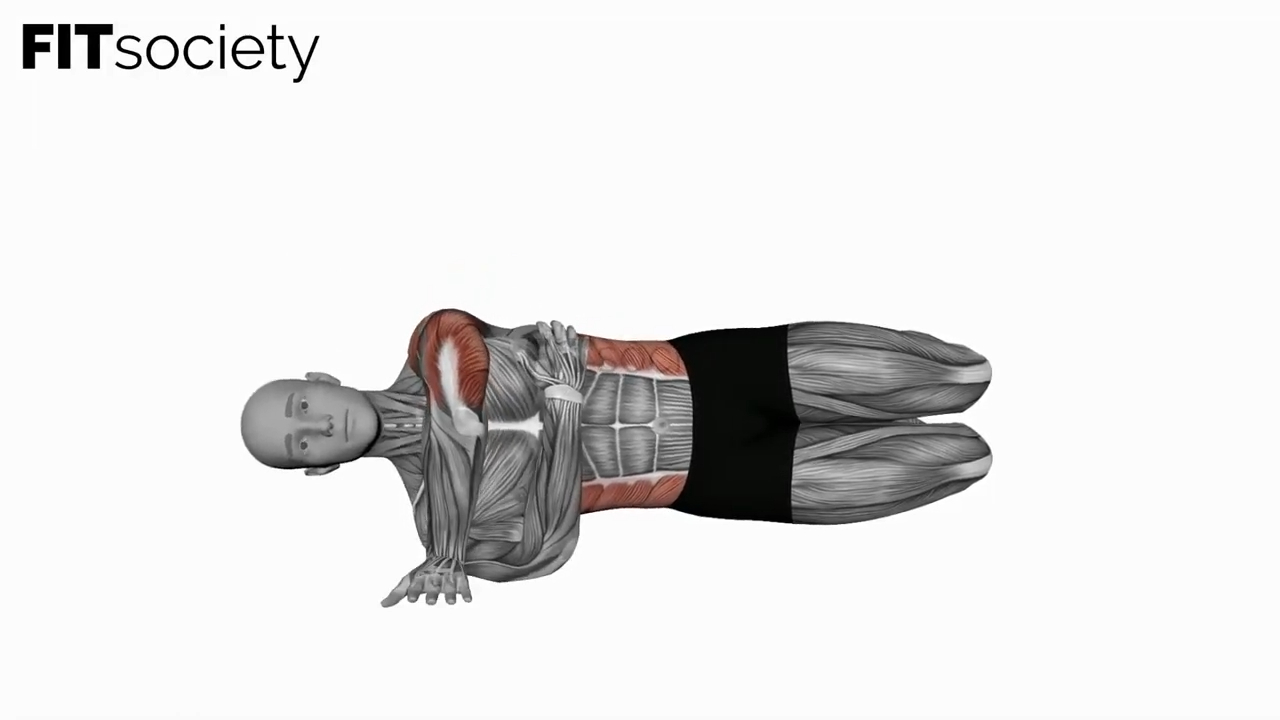
The Side Push-Up is a variation of the traditional push-up that focuses on strengthening your obliques, shoulders, and triceps. This exercise offers a unique way to train your upper body by using a different angle, providing a challenging and effective workout.
Execution
-
1
Lie on your side on the floor with your legs extended and together.
-
2
Place your lower arm on your hip and your upper hand on the floor, just below your shoulder.
-
3
Push yourself up by extending your upper arm while keeping your body straight from head to feet.
-
4
Slowly and controllably lower yourself back to the starting position.
-
5
Repeat the exercise for the desired number of repetitions before switching sides.
Benefits
- Strengthens and tones the obliques for a more defined waist.
- Improved stability and strength in the shoulders and arms.
- Helps develop better balance and body coordination.
Common Mistakes
- ! Not keeping the body straight during the exercise, which can lead to less effective training and possible injuries.
- ! Performing the movements too quickly, preventing the muscles from being trained optimally.
- ! Not regulating your breathing properly; make sure to breathe while pushing yourself up.
Primary Muscles
The Side Push-Up primarily trains the obliques, while the shoulders, triceps, and, to a lesser extent, the chest muscles are also activated.
Possible Alternatives
- For beginners: Start with your knees on the floor to reduce the intensity.
- For advanced exercisers: Add a leg lift to the exercise to increase the intensity and engage the core even more.
- Use a fitness ball under your feet or hands to challenge stability and make the exercise more difficult.
Run your fitness business with more structure
- Planning, member management and coaching in one platform
- Built for coaches, studios and gyms
- Fewer separate tools, more overview