Barbell Lying Triceps Extension
If you are looking for an effective exercise to strengthen your triceps, the Barbell Lying Triceps Extension is an excellent choice. This exercise offers a unique way to isolate and train the triceps, resulting in strong and well-defined arms.
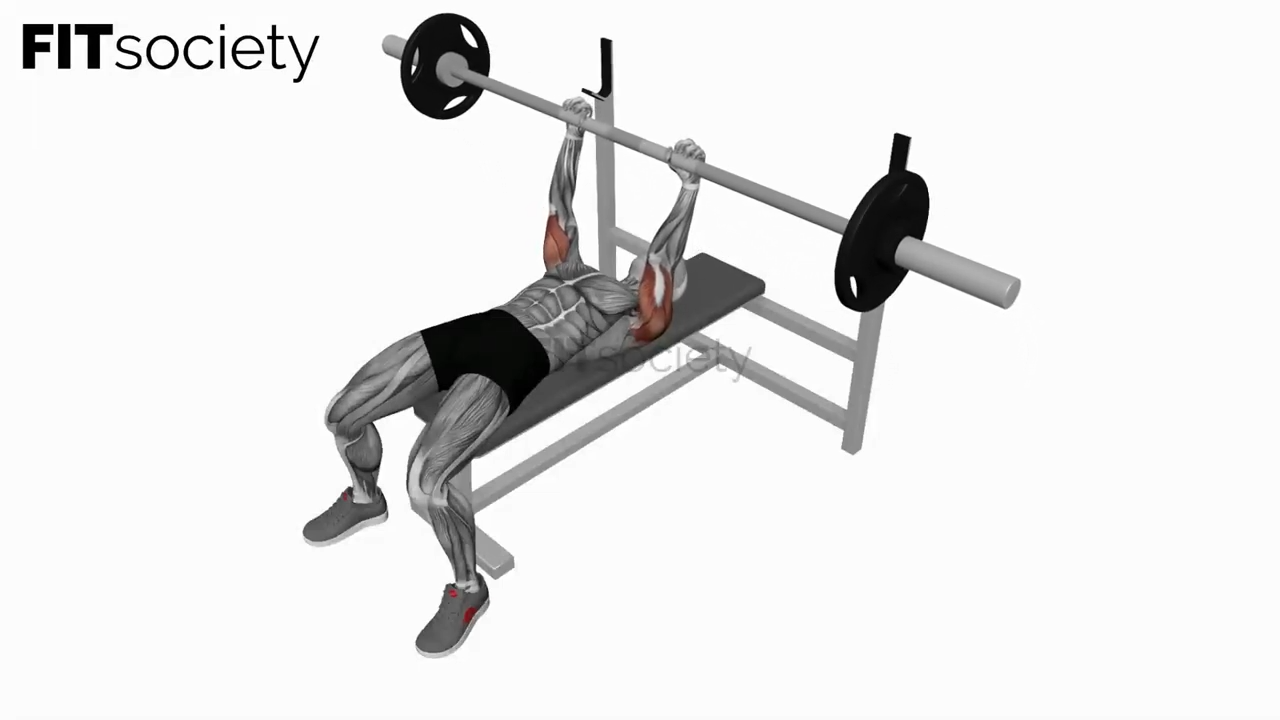
Execution
-
1
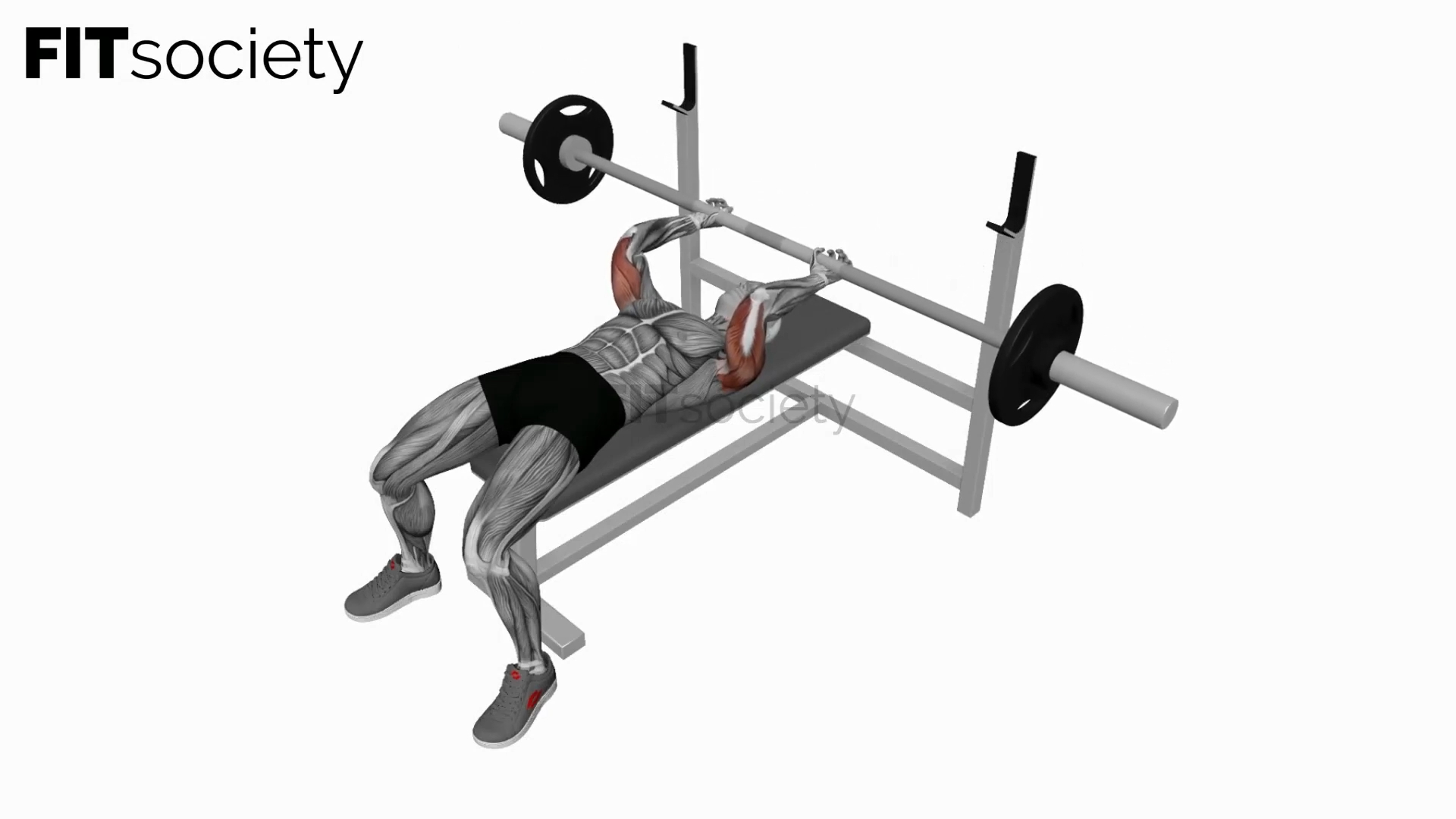
Lie on your back on a flat bench and hold a barbell with both hands above your chest, arms extended.
-
2
Inhale and slowly lower the bar toward your forehead by bending only your elbows.
-
3
Make sure your upper arms remain still throughout the exercise.
-
4
Exhale and lift the bar back to the starting position by contracting your triceps.
-
5
Repeat for the desired number of repetitions.
Benefits
- Strengthens and defines the triceps.
- Improves arm strength, which is useful for other exercises and daily activities.
- Helps develop stability in the shoulders and elbows.
Common Mistakes
- ! Using too much weight: Start with a lighter weight to ensure proper form.
- ! Allowing the elbows to flare: Keep your elbows pointed inward to effectively isolate the triceps.
- ! Performing the exercise too quickly: Perform the movement in a controlled manner for maximum muscle activation.
Key Muscles
The primary focus of the Barbell Lying Triceps Extension is the triceps brachii. The forearms are also lightly trained through gripping and stabilizing the barbell.
Possible Alternatives
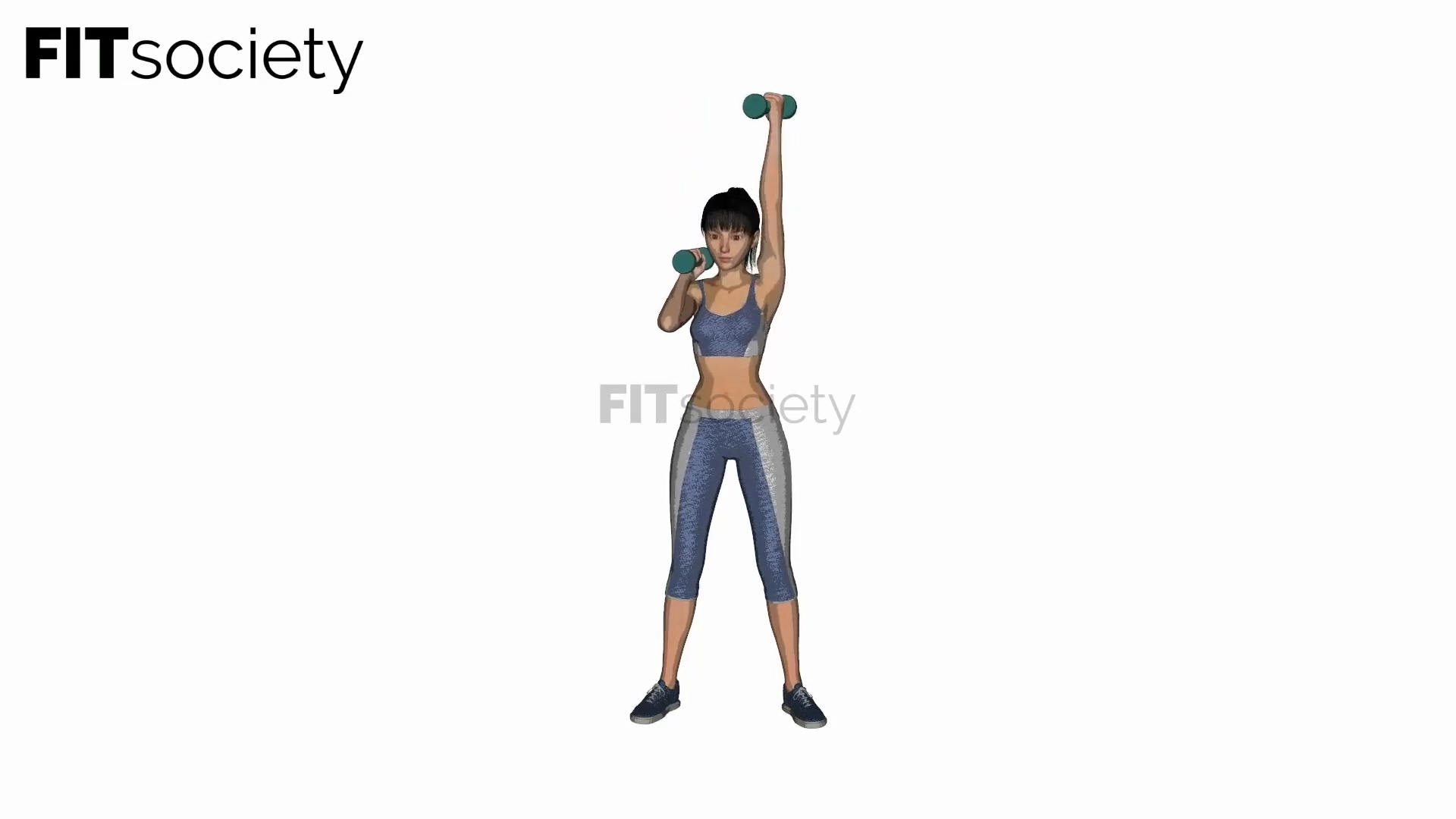
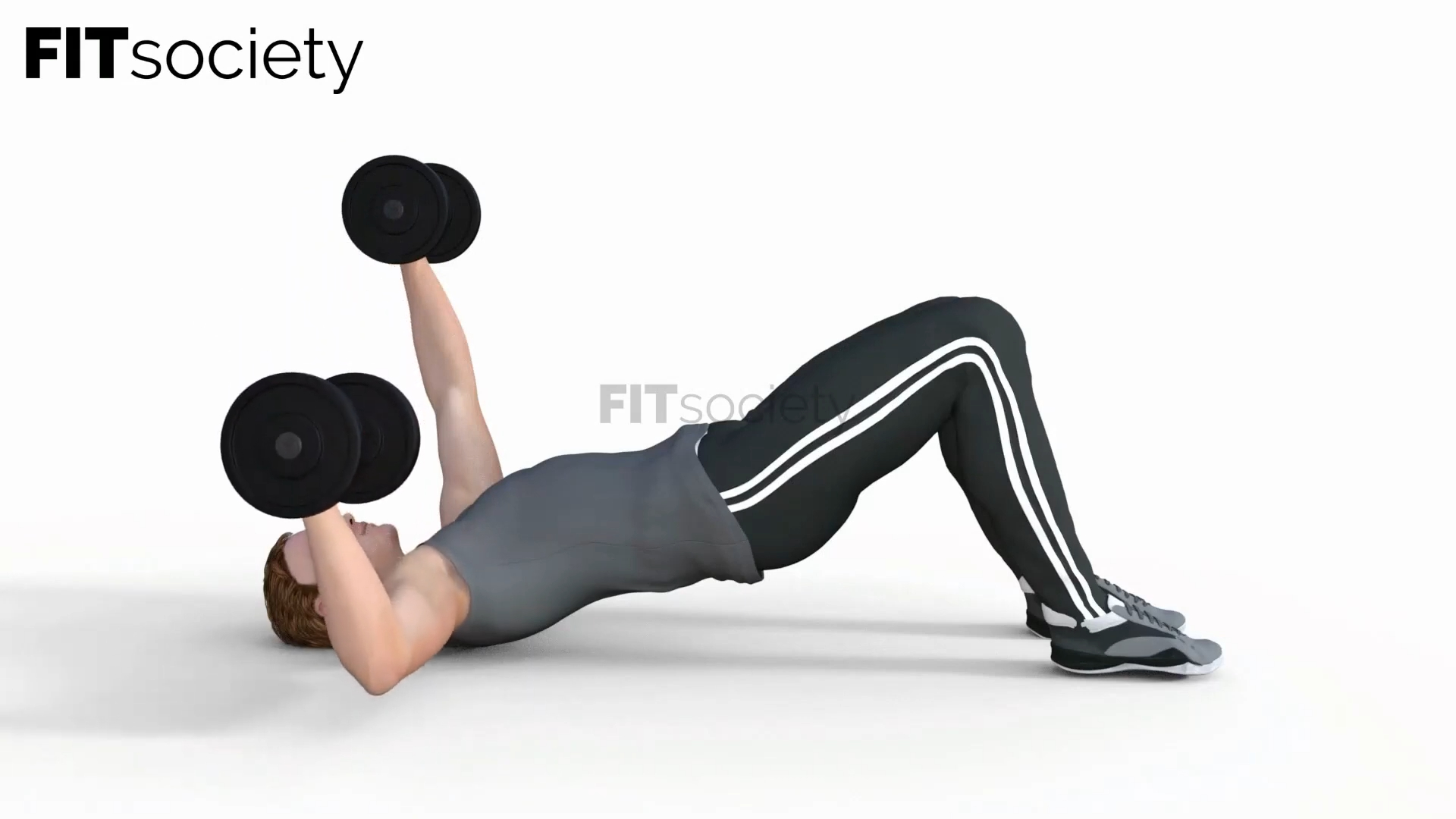
- Dumbbell Lying Triceps Extension: For those without access to a barbell or who prefer dumbbells.
- Overhead Triceps Extension: A standing variation that provides a slightly different angle for the triceps.
- Cable Triceps Extension: For constant resistance throughout the movement.
Run your fitness business with more structure
- Planning, member management and coaching in one platform
- Built for coaches, studios and gyms
- Fewer separate tools, more overview