Barbell Snatch
The Barbell Snatch is a dynamic and complex exercise that requires strength, speed, and coordination. This exercise is unique because it challenges your entire body and is primarily focused on improving your explosive strength.
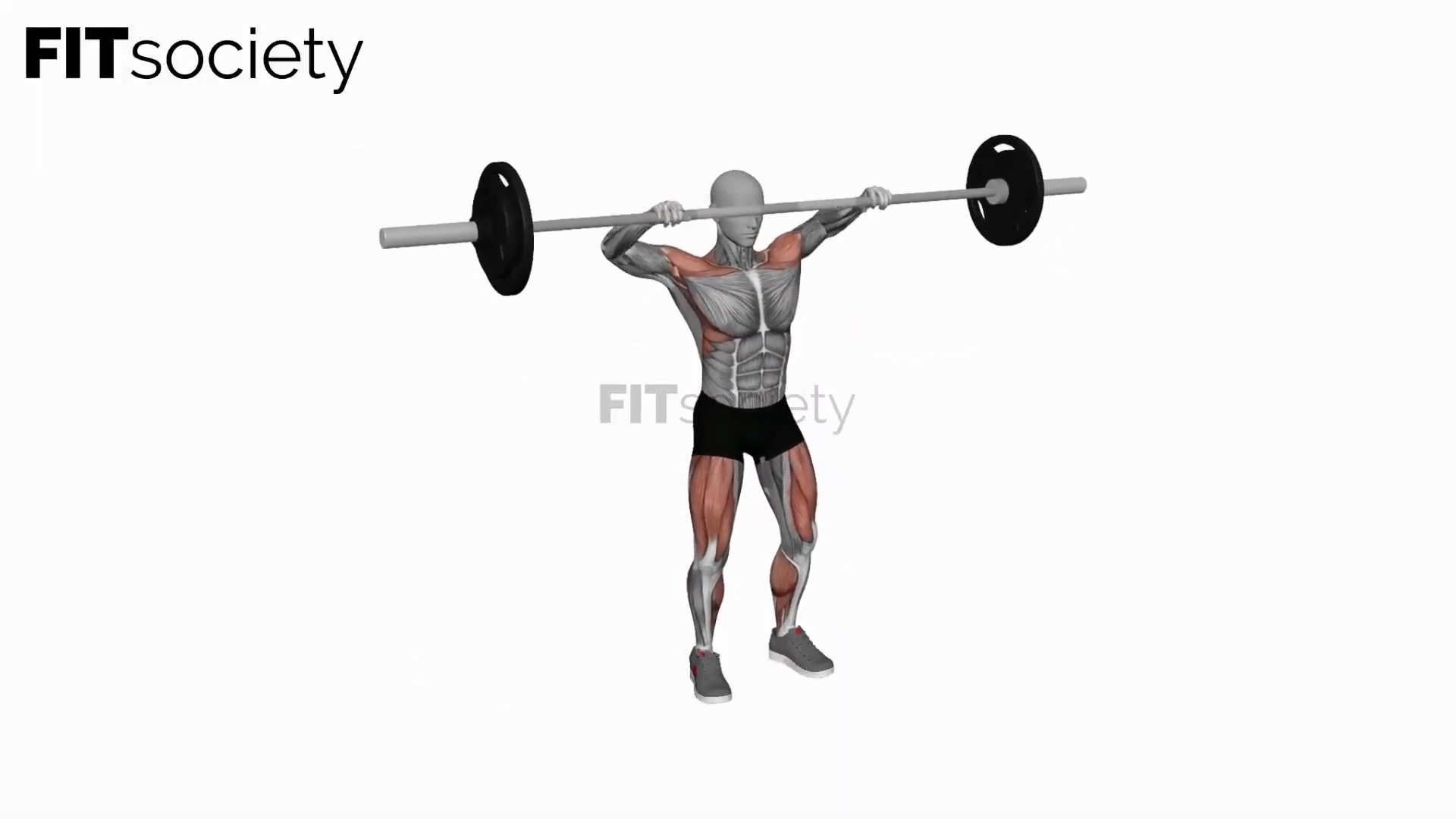
Execution
-
1
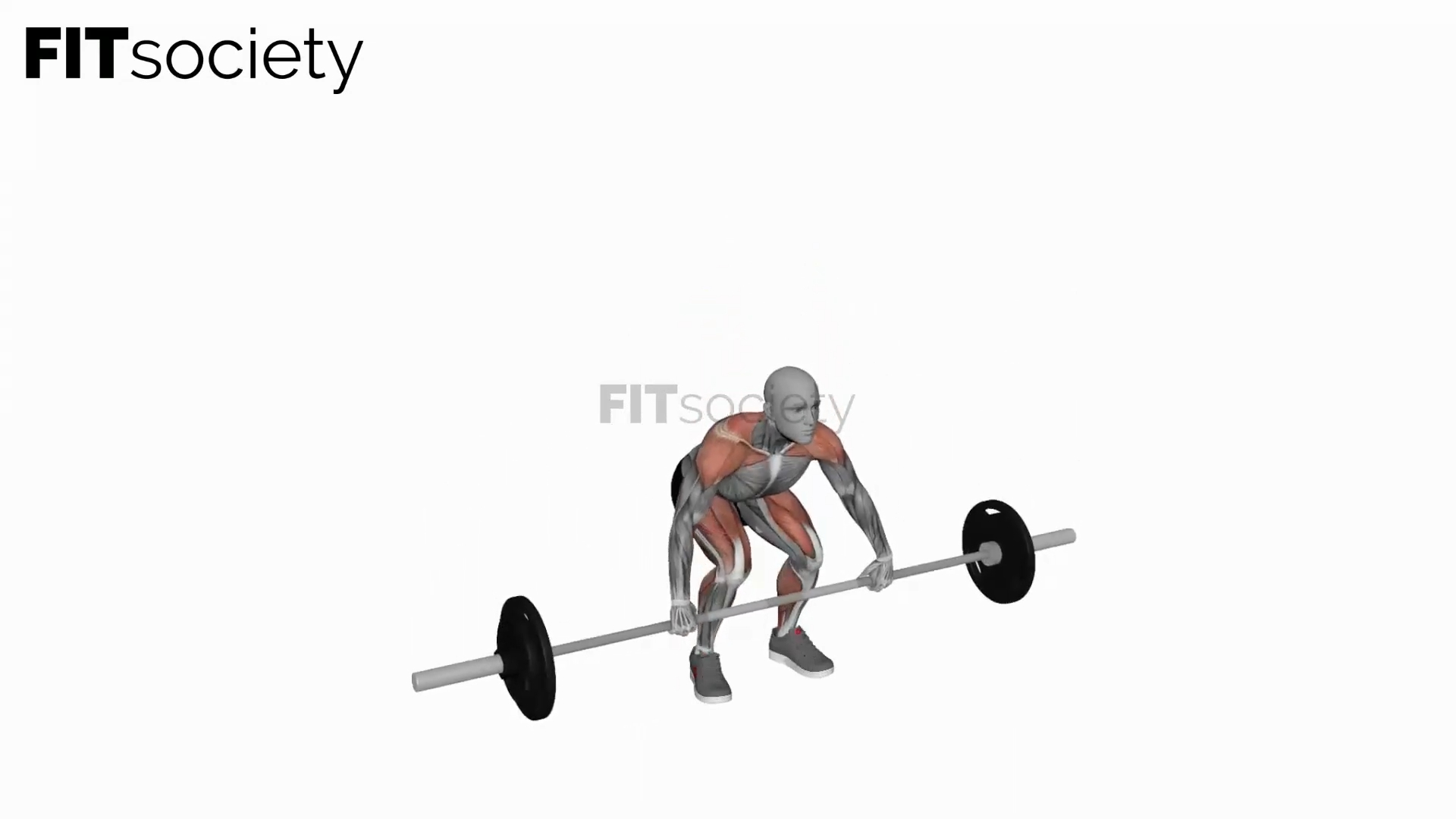
Begin with the barbell on the floor, standing with your feet shoulder-width apart.
-
2
Bend your knees slightly and grip the barbell with a wide grip.
-
3
Keep your back straight and your gaze forward as you bring the barbell upward in one fluid movement.
-
4
When the barbell passes your chest, pull yourself under the barbell and fully extend your arms overhead.
-
5
Stand up with the barbell still overhead, then bring it back to the starting position.
Benefits
- Improves explosive strength and speed.
- Increases coordination and athletic performance.
- Stimulates fat burning through its high intensity.
- Strengthens multiple muscle groups simultaneously.
Common Mistakes
- ! Starting too quickly: Focus on technique before increasing the weight.
- ! Incorrect grip: A grip that is too narrow or too wide can affect execution.
- ! Not keeping your back straight: This can lead to injuries and reduced effectiveness.
Primary Muscles
The Barbell Snatch primarily trains your shoulders, upper back, quadriceps, hamstrings, and core muscles for stability.
Possible Alternatives
- Dumbbell Snatch: A good variation if you are not yet ready for the barbell or if you want to focus on one arm at a time.
- Power Snatch: Start with the barbell from the hang position, just above the knee, for a less complex variation.
- Snatch Pulls: Focus on the first part of the movement to build strength without performing the full snatch.
Run your fitness business with more structure
- Planning, member management and coaching in one platform
- Built for coaches, studios and gyms
- Fewer separate tools, more overview