Walking Lunges
Walking lunges are a dynamic exercise that builds strength and stability in your lower body while also improving your balance and coordination. This exercise is unique because it keeps you moving, making it a functional exercise that mimics the movements of everyday life.
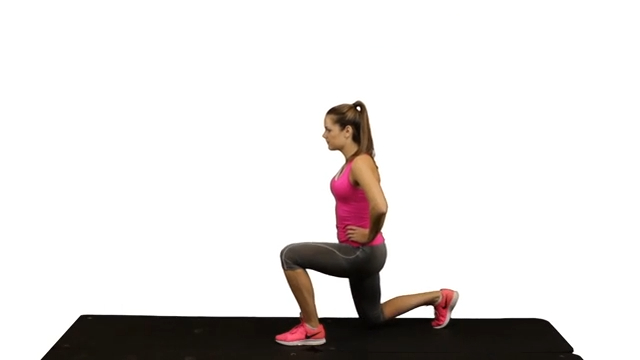
Execution
-
1
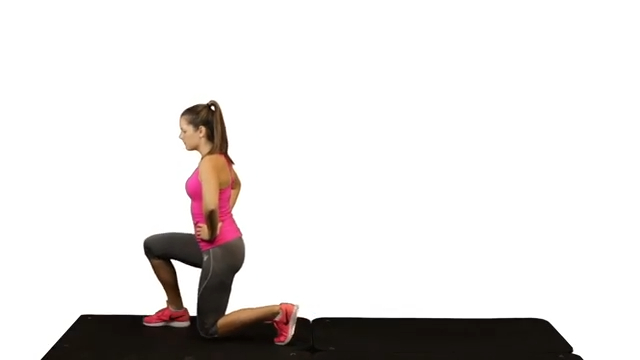
Begin in a standing position with your feet hip-width apart.
-
2
Step forward with one leg, bending both knees to approximately 90-degree angles. Make sure your front knee does not extend past your toes.
-
3
Push yourself up through the heel of your front foot and step through with your back leg, moving into a lunge with the other leg.
-
4
Repeat this movement while continuing to walk forward.
Benefits
- Improved balance and coordination.
- Increased leg strength and muscular endurance.
- Improved flexibility in the hip flexors.
- Functional training that simulates everyday movements.
Common Mistakes
- ! Taking steps that are too large: This can lead to a loss of balance and put excessive strain on the knees. Make sure your steps are large enough to bend your knees to 90-degree angles.
- ! Leaning forward: Keep your upper body upright to reduce pressure on your lower back.
- ! Knees collapsing inward or outward: Keep your knees aligned with your toes to prevent injuries.
Targeted Muscles
Walking lunges target the quadriceps, hamstrings, and glutes, and to a lesser extent the calves and core muscles for stability.
Possible Alternatives
- Reverse lunges: A good variation if you have difficulty maintaining balance while walking.
- Weighted lunges: To increase the intensity, you can use dumbbells or a barbell.
- Static lunges: If you are new to lunges, start with a static version to build form and strength.
Run your fitness business with more structure
- Planning, member management and coaching in one platform
- Built for coaches, studios and gyms
- Fewer separate tools, more overview