Back Extension on Stability Ball, Arms Crossed
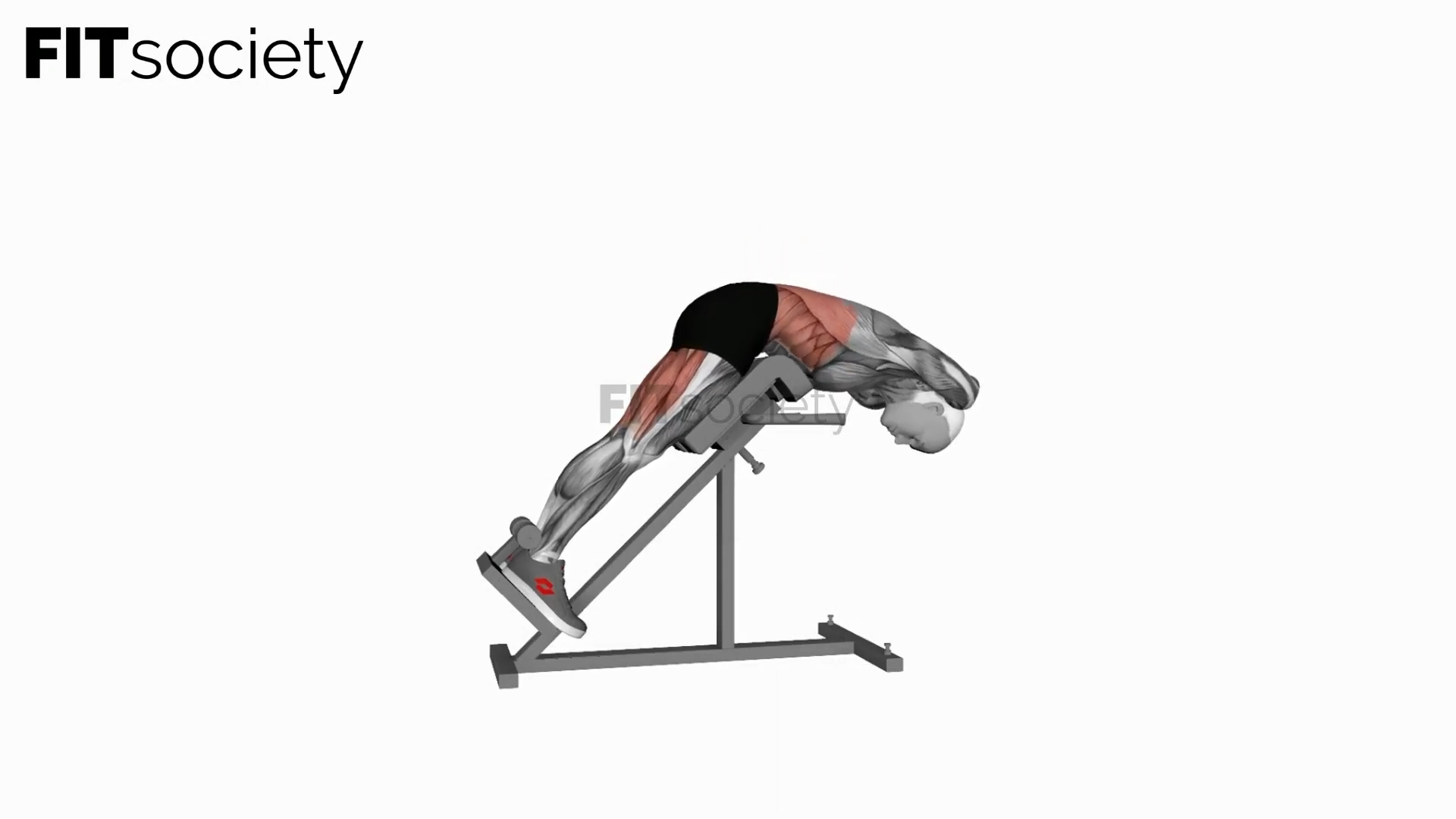
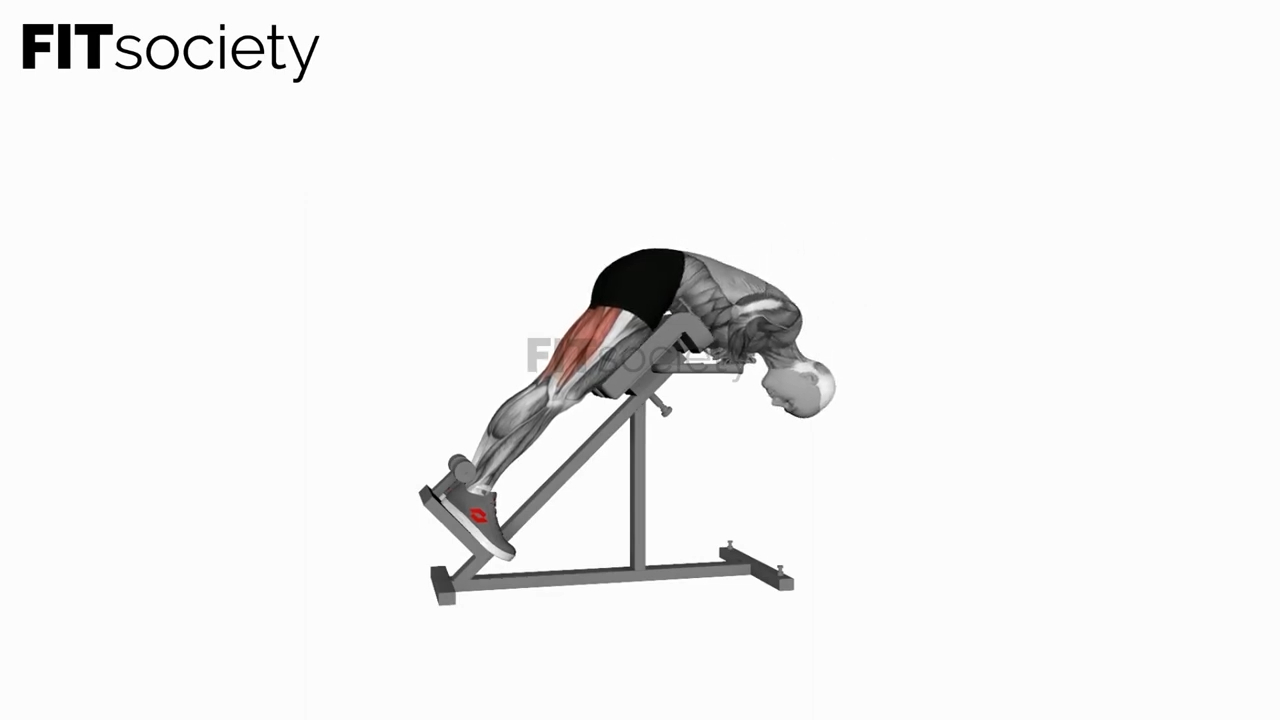
Back extensions target extending the back and aligning the upper body with the lower body. The latter is also a function of the gluteal muscles and hamstrings, similar to a deadlift. Performing the exercise on a stability ball places greater emphasis on extending the back and therefore also on engaging the erector spinae. You cannot lower yourself as far, which limits the involvement of the glutes and hamstrings. At the same time, these and other muscles are required to perform more stabilizing work to remain in position.
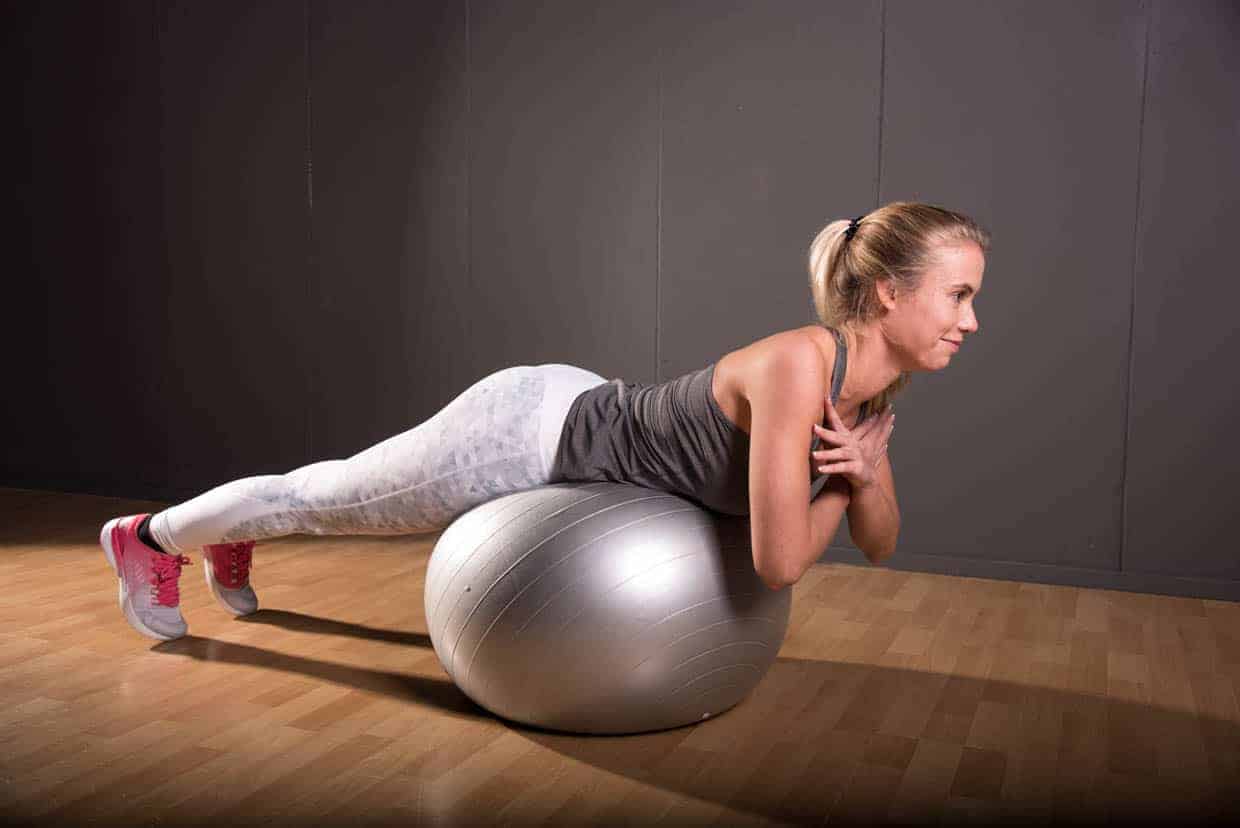
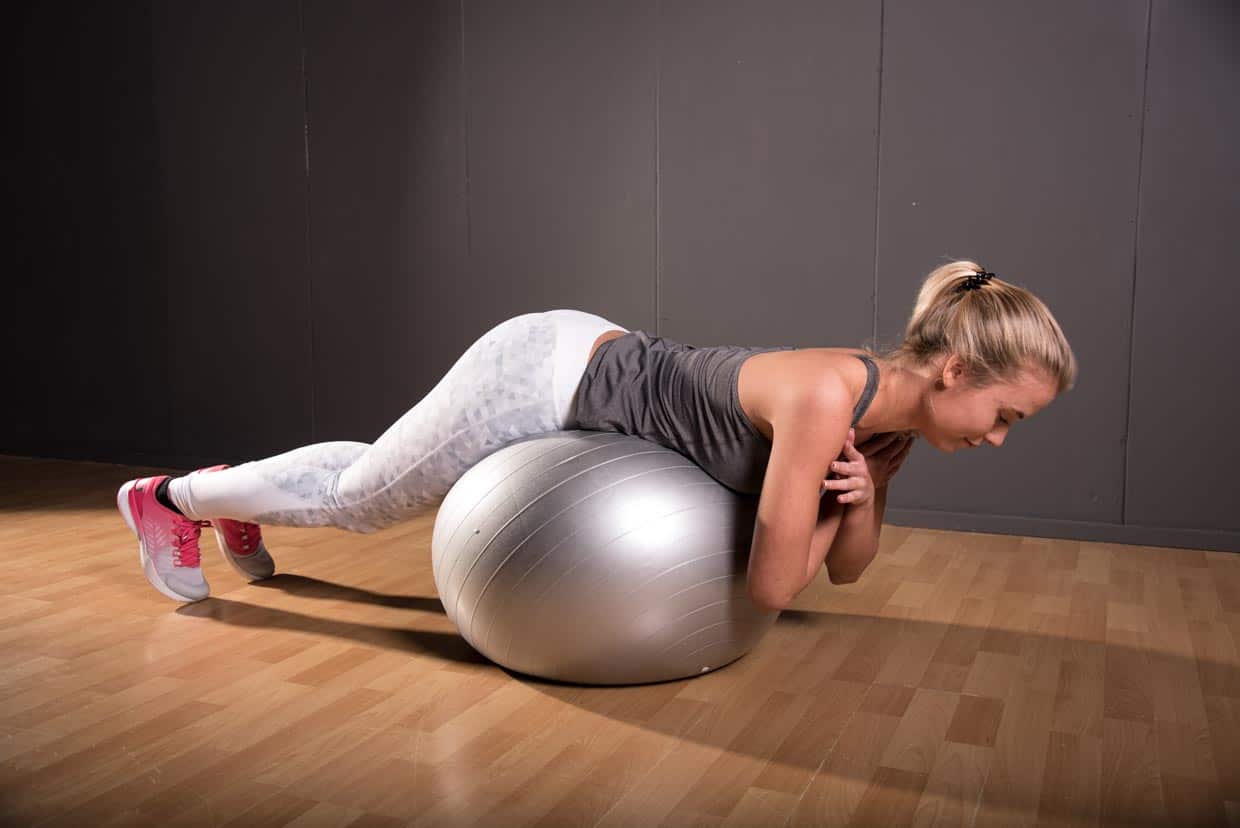
Back extensions (on stability ball)
Main muscles:
Erector spinae (back extensors)
- Hamstrings (biceps femoris, semitendinosus, semimembranosus)
- Gluteal muscles (gluteus maximus, medius, and minimus)
How to perform back extensions (on stability ball)
- Lie face down on the stability ball with your legs almost straight and your toes firmly on the floor.
- Make sure you are lying stably.
- Cross your arms over your chest.
- Lower your upper body as far as possible without making contact with the floor.
- Extend your spine by pulling your upper body back up and aligning it with your legs.
Back extensions (on stability ball) technique
Do not position yourself too high on the ball. You are not training your forehead by falling onto it. Extend your back, but do not overextend it. Align your back and legs as you would when standing upright. Do not continue the movement with an exaggerated arch in your lower back. This adds little to the effectiveness of the exercise and increases pressure on the spine, resulting in a higher risk of injury.
Alternatives
- Back extensions
- Bird dog
Run your fitness business with more structure
- Planning, member management and coaching in one platform
- Built for coaches, studios and gyms
- Fewer separate tools, more overview