Standing One Arm Chest Stretch
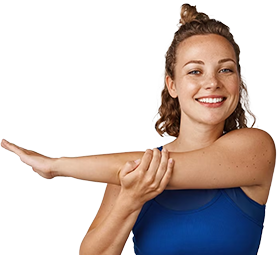
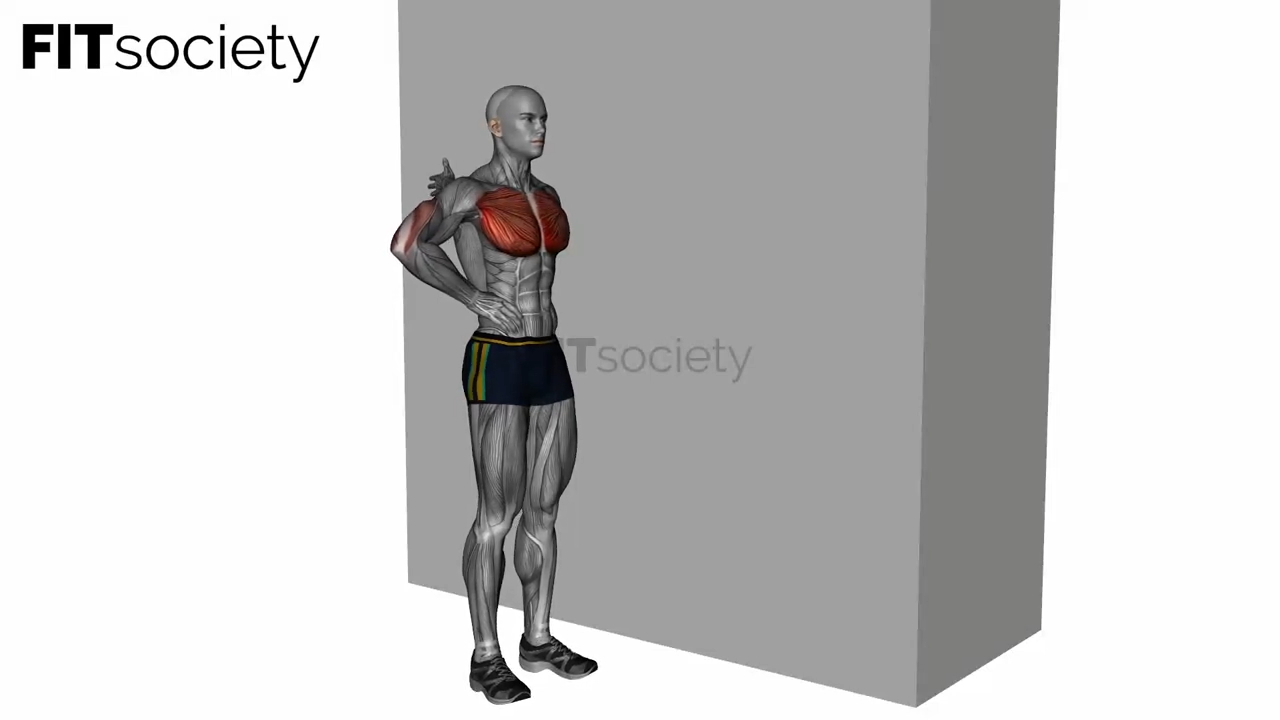
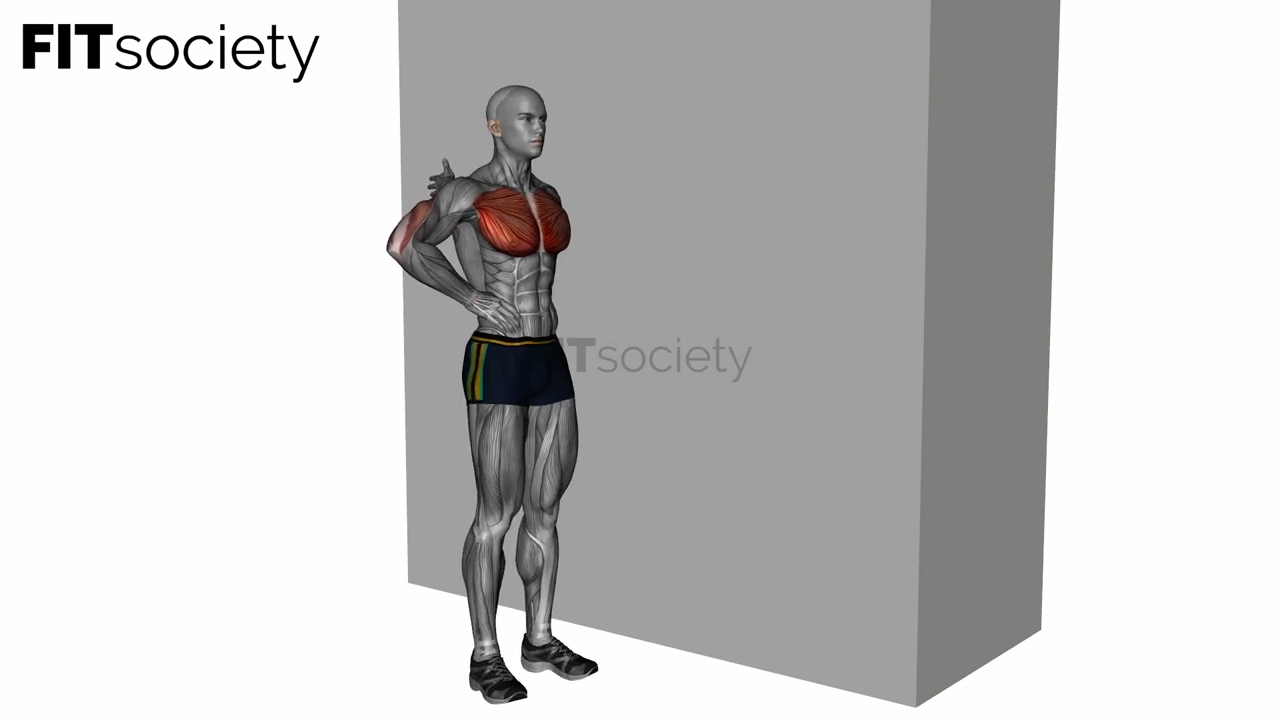
The Standing One Arm Chest Stretch is a simple yet effective exercise for stretching the chest muscles. This stretch helps improve flexibility and may reduce tension in the chest and shoulders, which is especially useful if you sit a lot or perform physical activities.
Benefits
- Improves chest muscle flexibility.
- Helps prevent muscle stiffness, especially if you spend a lot of time sitting at a desk.
- May contribute to better posture by opening the chest.
- Relieves tension in the shoulders and neck.
Common Mistakes
- ! Stretching too far: Make sure you do not stretch too far, as this can lead to overloading the muscles.
- ! Incorrect posture: Keep your back straight and your head up to maintain proper form.
- ! Releasing too quickly: Take your time with the stretch and hold it long enough for maximum benefit.
Instructions
- Stand upright next to a wall or sturdy object.
- Place the hand of the arm you want to stretch against the wall, with your fingers pointing backward.
- Gently lean forward and rotate your body away from the wall until you feel a stretch in your chest and the front of your shoulder.
- Hold this position for 20 to 30 seconds.
- Switch arms and repeat the stretch.
Primary Muscles
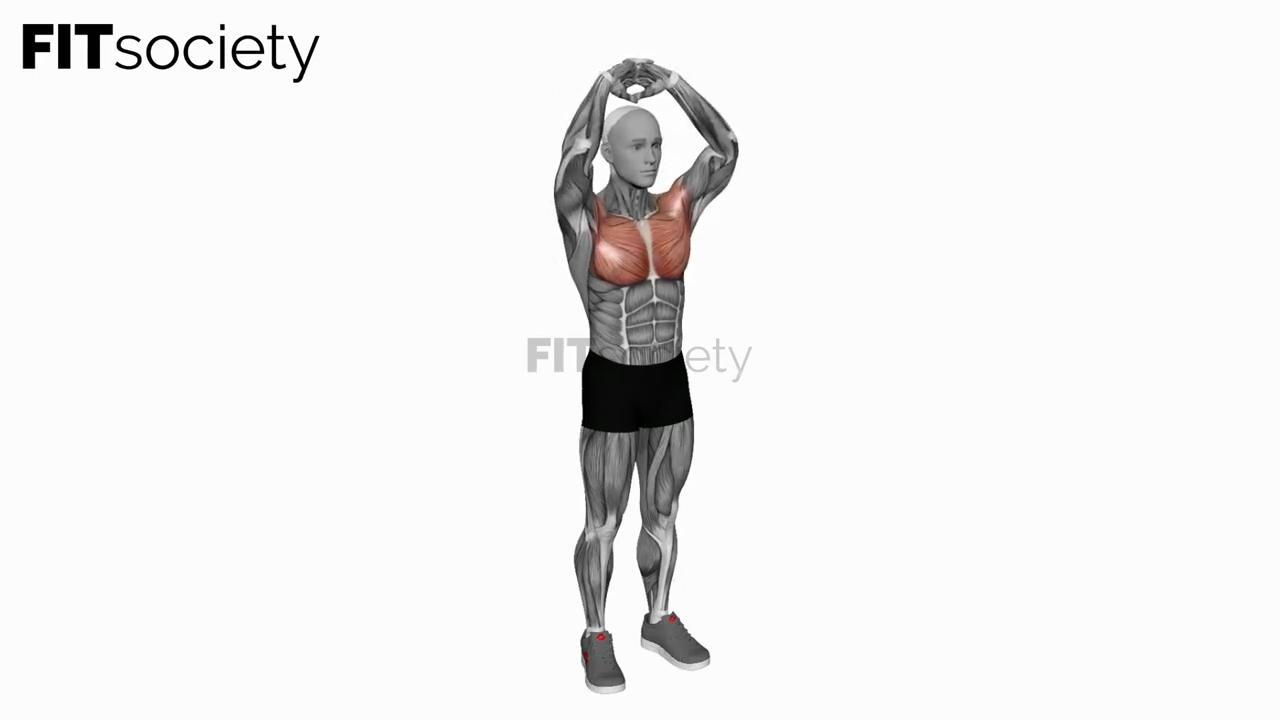
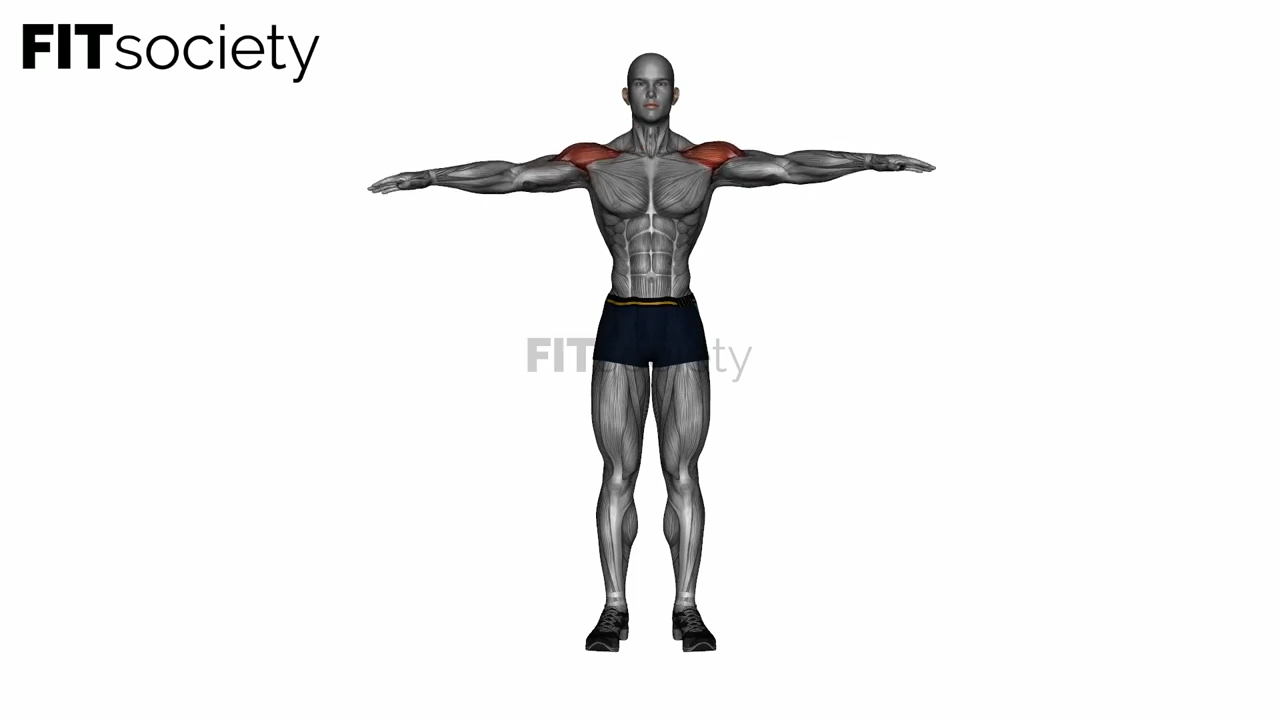
This exercise primarily targets the pectoralis major and, to a lesser extent, the shoulder muscles (deltoids) and the upper-arm muscles (biceps).
Possible Alternatives
- If you want to increase the intensity of the stretch, try placing your arm higher or lower on the wall to stretch different parts of the chest muscle.
- For a gentler stretch, try performing the stretch while seated or use a towel to gently pull the arm backward.
Run your fitness business with more structure
- Planning, member management and coaching in one platform
- Built for coaches, studios and gyms
- Fewer separate tools, more overview