Diamond Push-Ups
Diamond push-ups are a powerful variation of the traditional push-up, in which your hands are placed close together on the floor, creating a diamond shape. This exercise targets the triceps, chest, and front shoulder muscles, providing an intense workout using only your body weight.
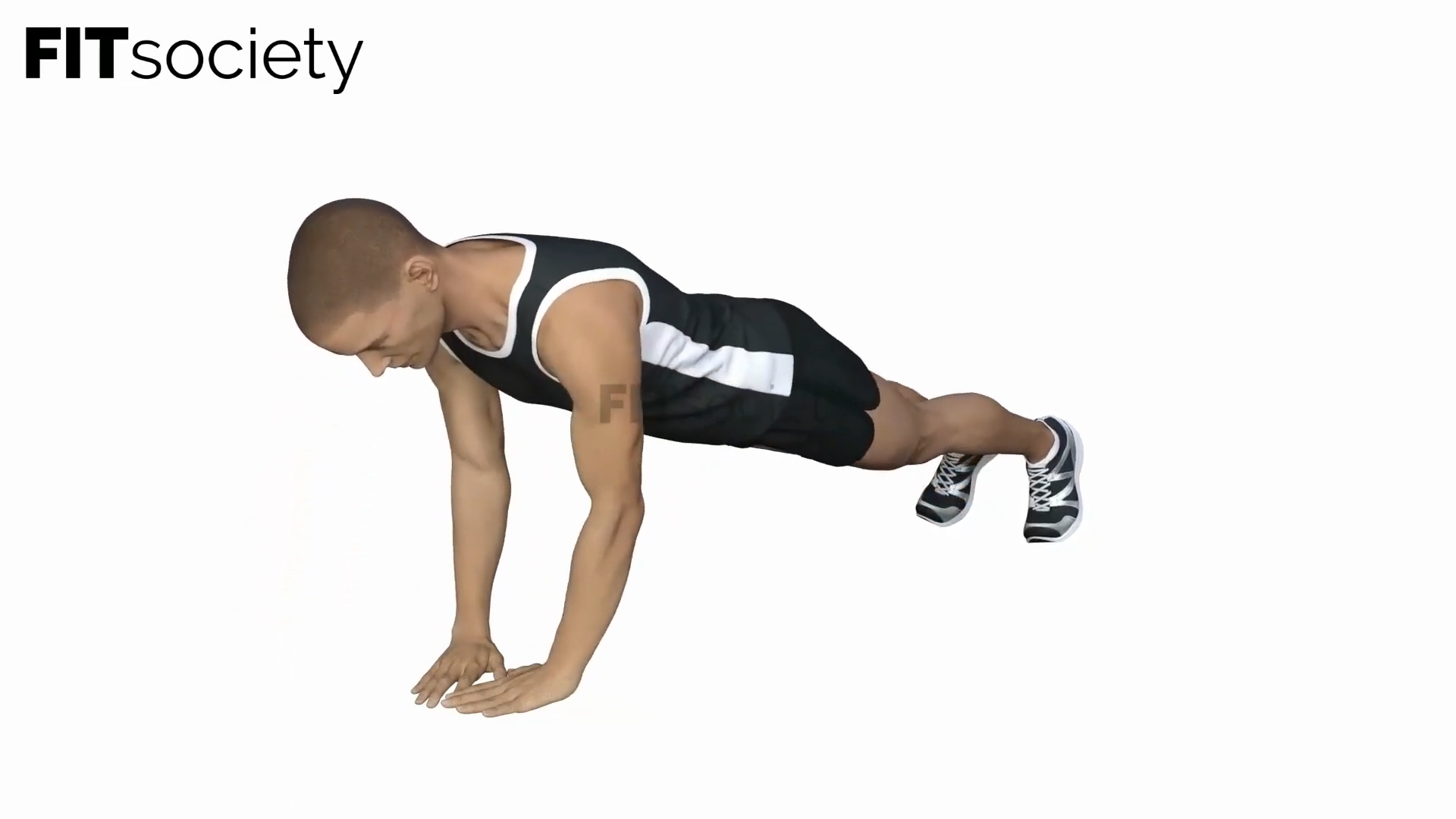
Execution
-
1
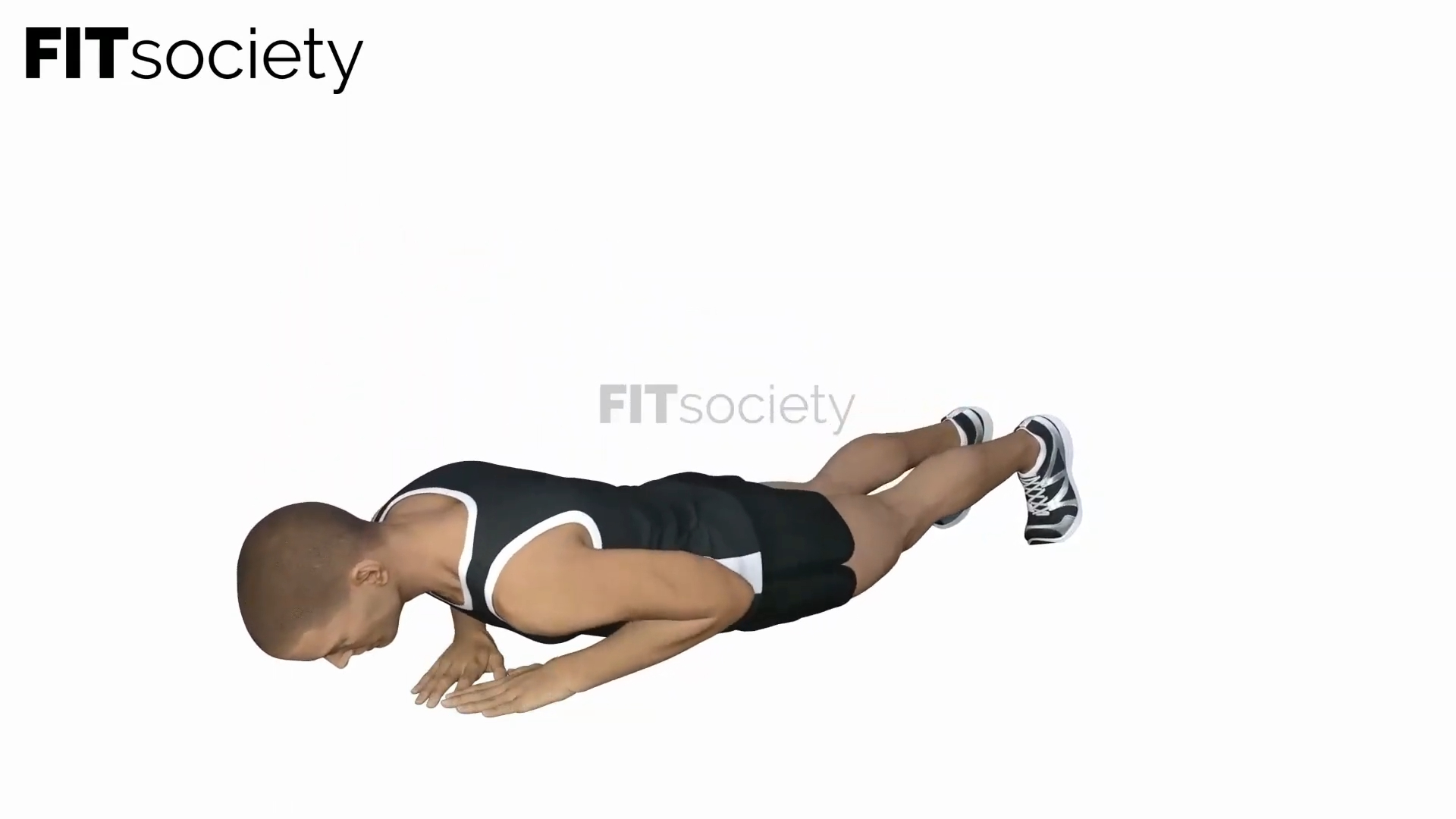
Begin in a plank position with your hands beneath your chest, thumbs and index fingers touching to form a diamond shape.
-
2
Engage your abdominal muscles and keep your body in a straight line.
-
3
Slowly lower yourself by bending your elbows until your chest almost touches the floor.
-
4
Push yourself explosively back up to the starting position.
-
5
Repeat for the desired number of repetitions.
Benefits
- Strengthens and shapes the triceps.
- Improves upper-body strength and stability.
- Can be performed anywhere without equipment.
- Helps improve overall push-up performance.
Common Mistakes
- ! Hips too high: Make sure your body forms a straight line from your head to your heels.
- ! Elbows too far out: Keep your elbows close to your body to effectively train the triceps.
- ! Insufficient depth: Make sure your chest almost touches the floor for maximum effectiveness.
Primary Muscles
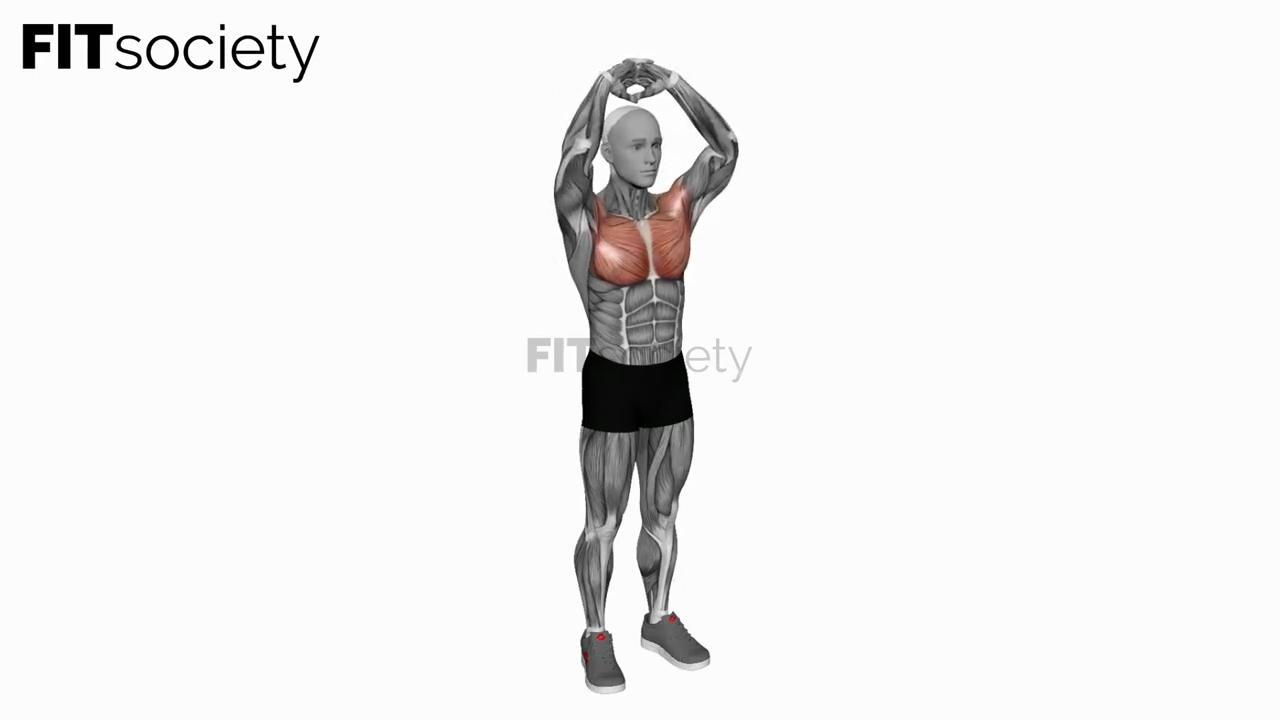
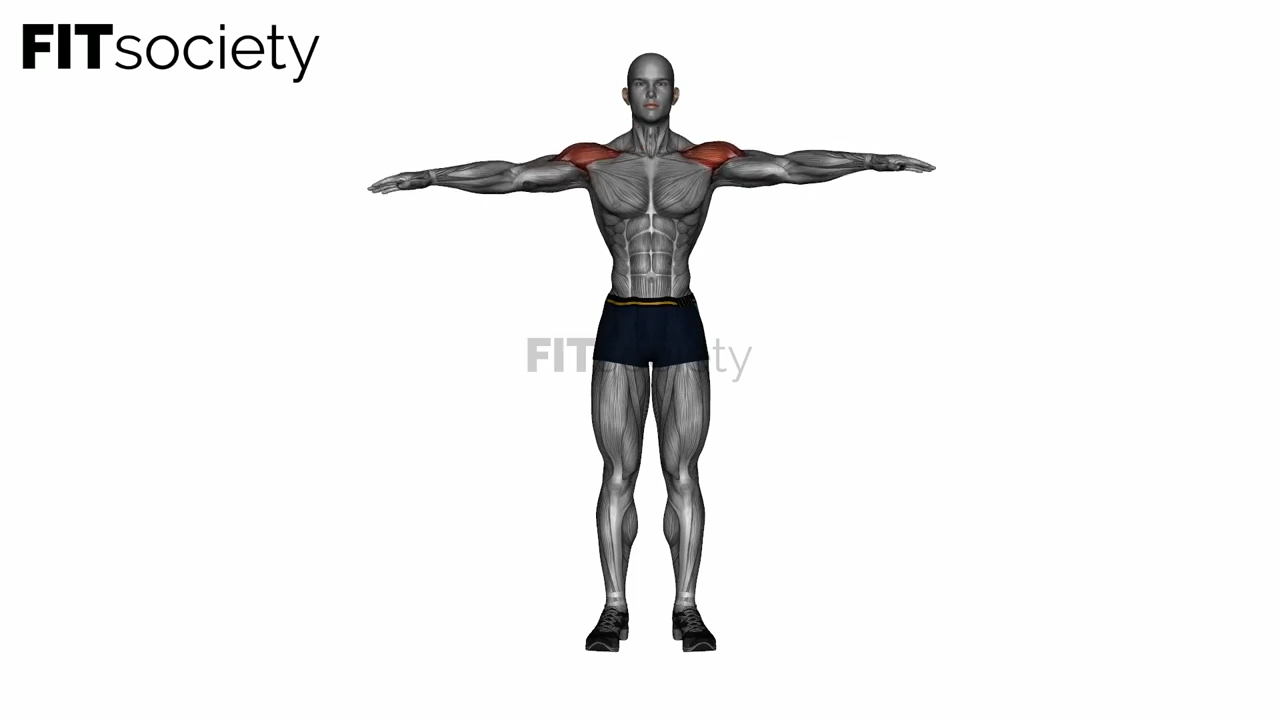
This exercise primarily trains the triceps, chest muscles (pectoralis major), and front shoulder muscles (anterior deltoids).
Possible Alternatives
- On the knees: For beginners or if you cannot yet perform the full version, you can perform the exercise on your knees.
- Elevated push-ups: Place your feet on an elevated surface to increase the intensity.
- Standard push-ups: If diamond push-ups are too challenging, start with standard push-ups to build strength.
Run your fitness business with more structure
- Planning, member management and coaching in one platform
- Built for coaches, studios and gyms
- Fewer separate tools, more overview