Chest Out Hands Behind Hold
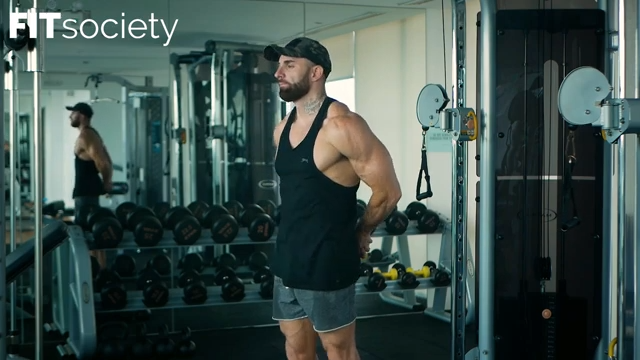
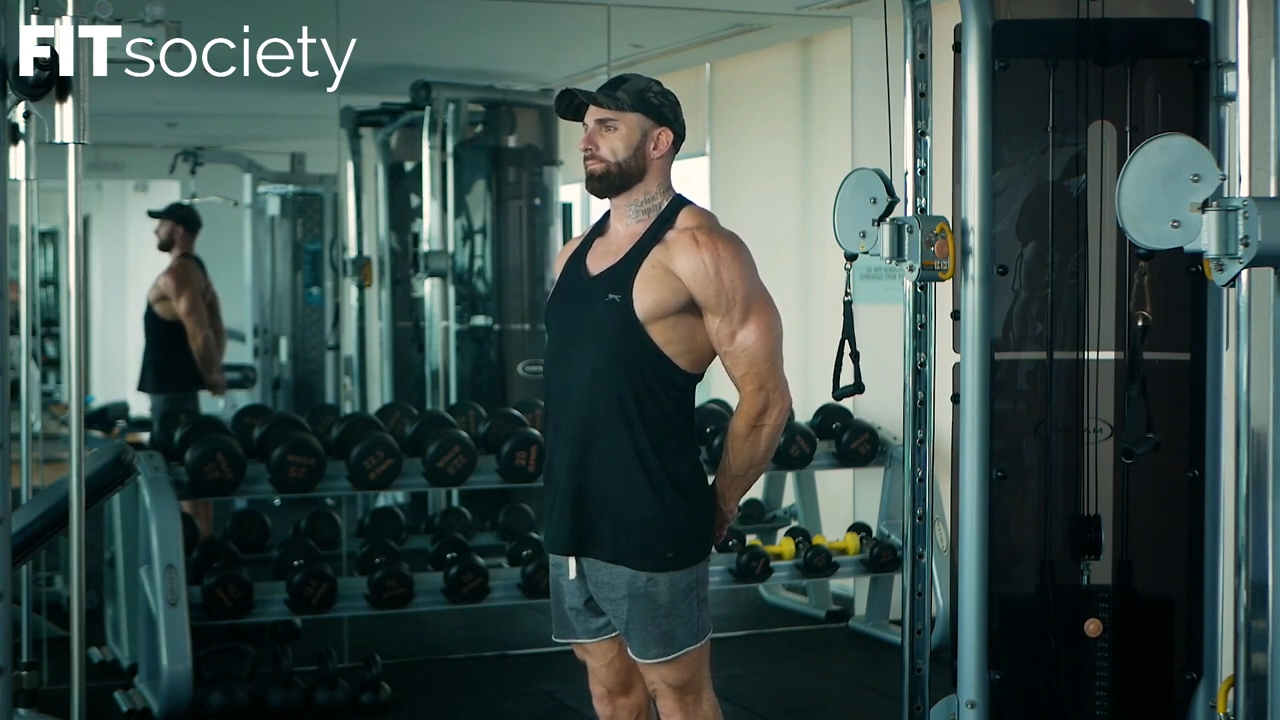
Introduction: The “Chest Out Hands Behind Hold” is an effective exercise for improving posture and strengthening the muscles in your upper back and shoulders. This exercise helps counteract the negative effects of prolonged sitting or standing with poor posture.
Execution: Begin standing in a neutral position. Pull your shoulders back and down, as if trying to draw your shoulder blades together and press them downward. Extend your arms behind your back and try to bring your hands toward each other while pushing your chest forward. Hold this position while breathing deeply. Try to hold the position for 20 to 30 seconds and repeat for 3 sets.
Main Muscles: This exercise primarily targets the rhomboids, trapezius, and posterior deltoids. The chest muscles are also lightly stretched.
Benefits: Regularly performing this exercise can lead to better posture, reduced back pain, and a greater range of motion in the shoulders. It also helps counteract the effects of daily activities that promote poor posture, such as computer work.
Common Mistakes: A common mistake is lifting the shoulders too high during the exercise. Make sure your shoulders remain relaxed and pulled down to prevent tension in the neck. Another mistake is failing to actively pull the shoulder blades back, which reduces the effectiveness of the exercise.
Possible Alternatives: If it is difficult to reach your hands behind your back, you can use a towel or strap to bridge the distance between your hands. As your flexibility improves, you can try reducing the distance between your hands. For more intensity, you can perform the exercise seated on a chair, which requires greater stability and focus on the upper back.
```Run your fitness business with more structure
- Planning, member management and coaching in one platform
- Built for coaches, studios and gyms
- Fewer separate tools, more overview