Bent Over One Arm Cable Chest Press
The Bent Over One Arm Cable Chest Press is an effective exercise for training the chest muscles in a unique way. Using a cable machine keeps constant tension on the muscles, providing an intense workout.
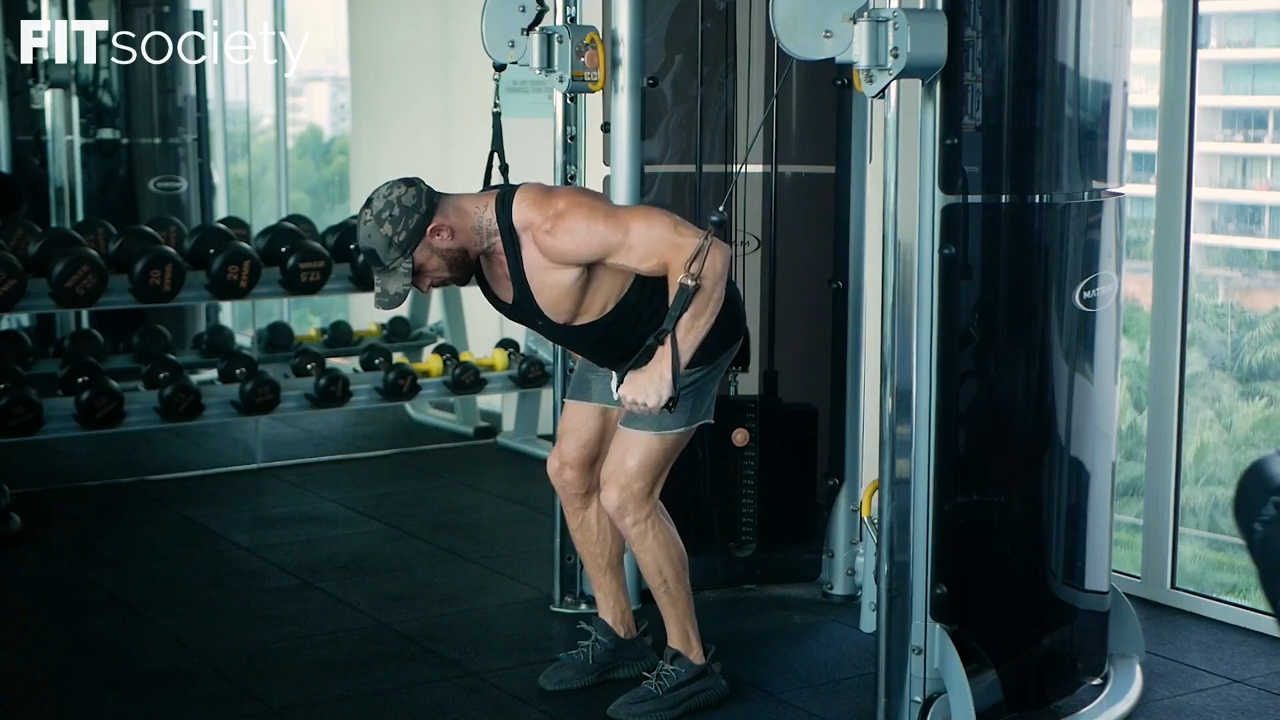
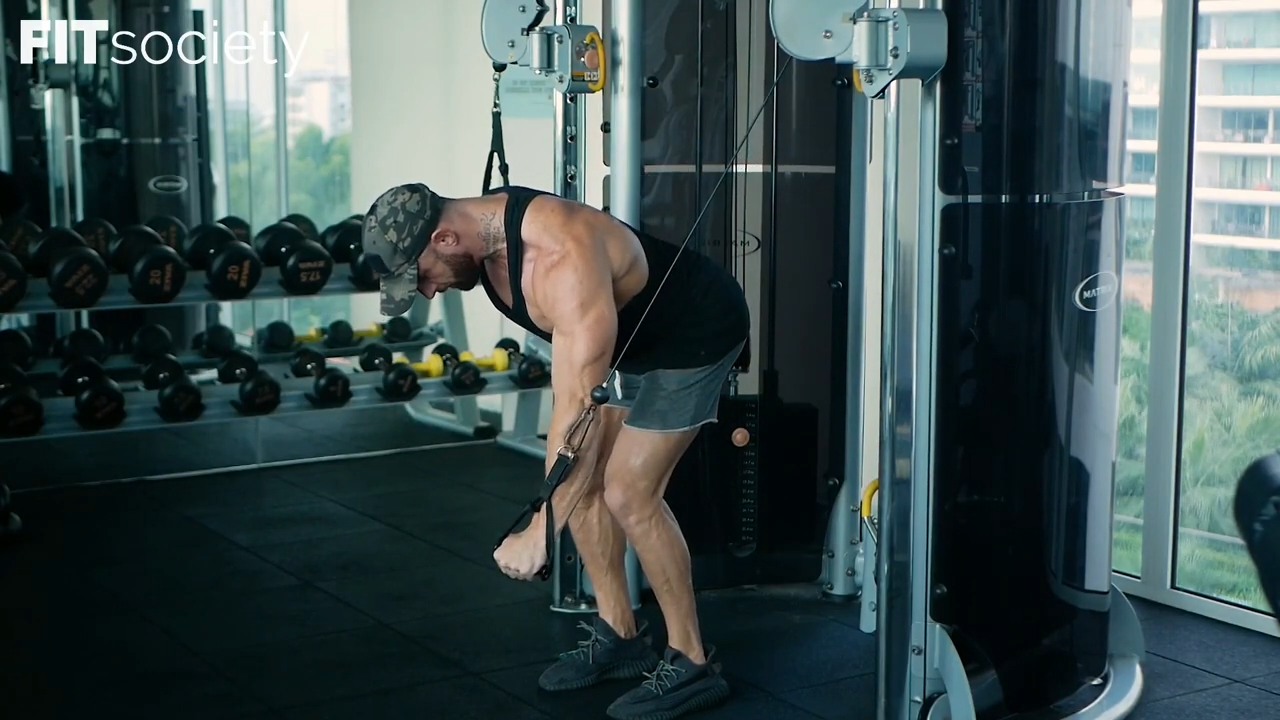
Execution
-
1
Set the cable machine to chest height and attach a single handle.
-
2
Stand facing the machine and take a few steps backward.
-
3
Place your feet hip-width apart and slightly bend your knees.
-
4
Lean forward from your hips, keep your back straight, and grip the handle with one hand.
-
5
Inhale and press the handle away from you while fully extending your arm.
-
6
Exhale and slowly and controllably return the handle to the starting position.
-
7
Repeat the movement for the desired number of repetitions, then switch arms.
Benefits
- Improves muscle balance between the left and right sides of your body.
- Increases shoulder stability through isolation and control.
- Helps develop a strong, balanced chest.
Common Mistakes
- ! Moving too quickly: Use a controlled movement to achieve maximum muscle activation.
- ! Using too much weight: This can lead to poor form and possible injuries.
- ! Not keeping your back straight: This can cause unnecessary tension in the lower back.
Key Muscles
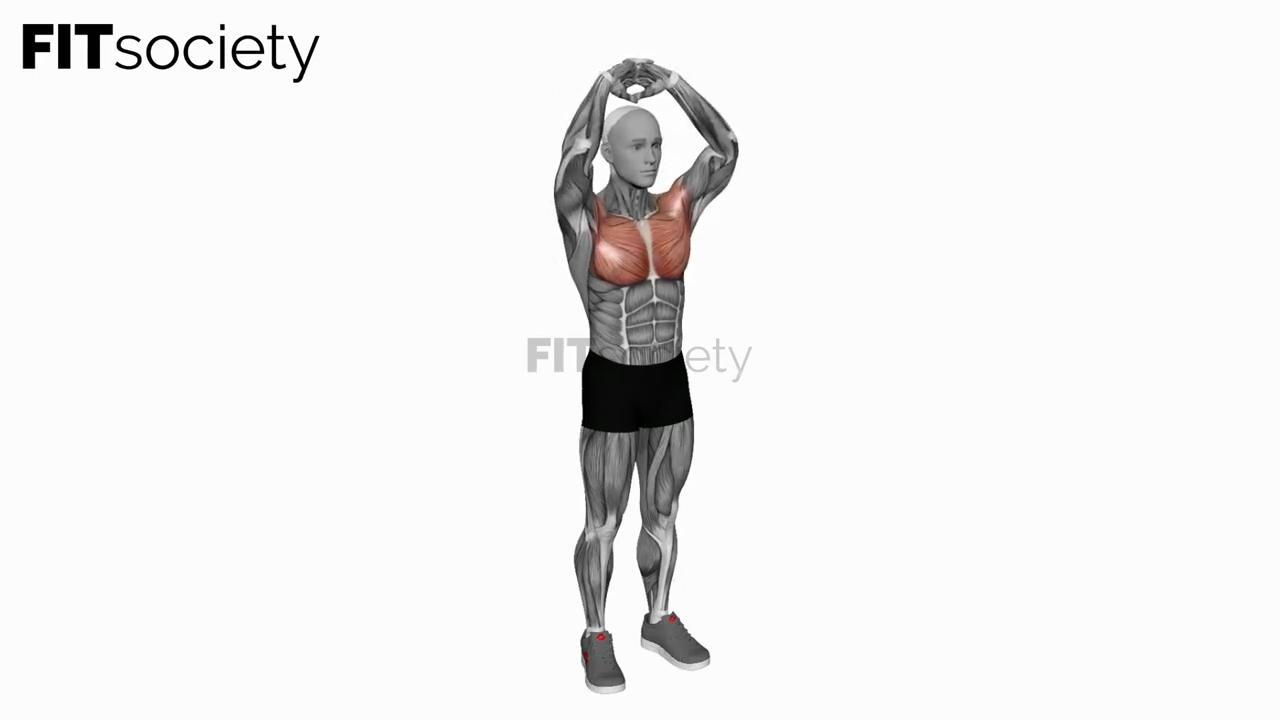
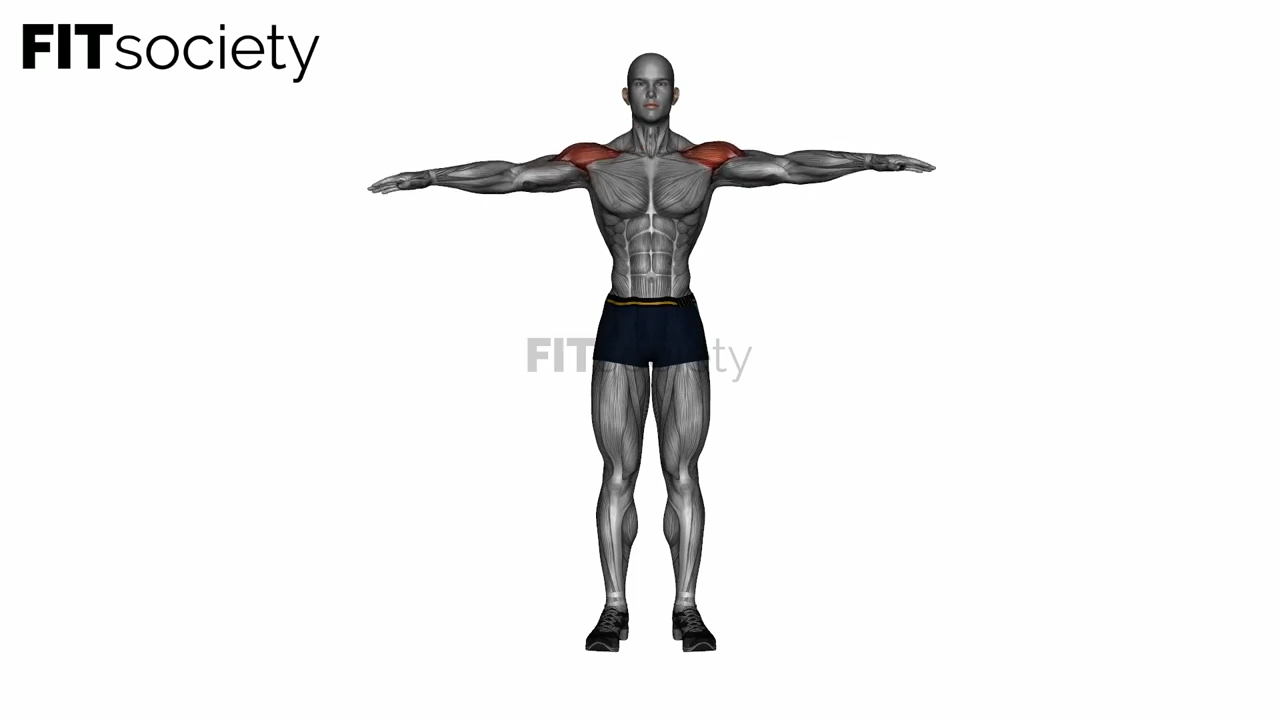
This exercise primarily targets the pectoralis major, but the triceps and anterior deltoids are also trained.
Possible Alternatives
- Use a lighter weight and increase the number of repetitions for greater endurance.
- Perform the exercise with a resistance band for a different form of resistance.
- Try performing the exercise standing instead of bent over for a less intense variation.
Run your fitness business with more structure
- Planning, member management and coaching in one platform
- Built for coaches, studios and gyms
- Fewer separate tools, more overview