Downward Dog Sprint
The Downward Dog Sprint is a dynamic exercise that combines the traditional yoga pose with a cardio element. This exercise is perfect for improving your flexibility, strength, and endurance, while also providing a good cardio workout.
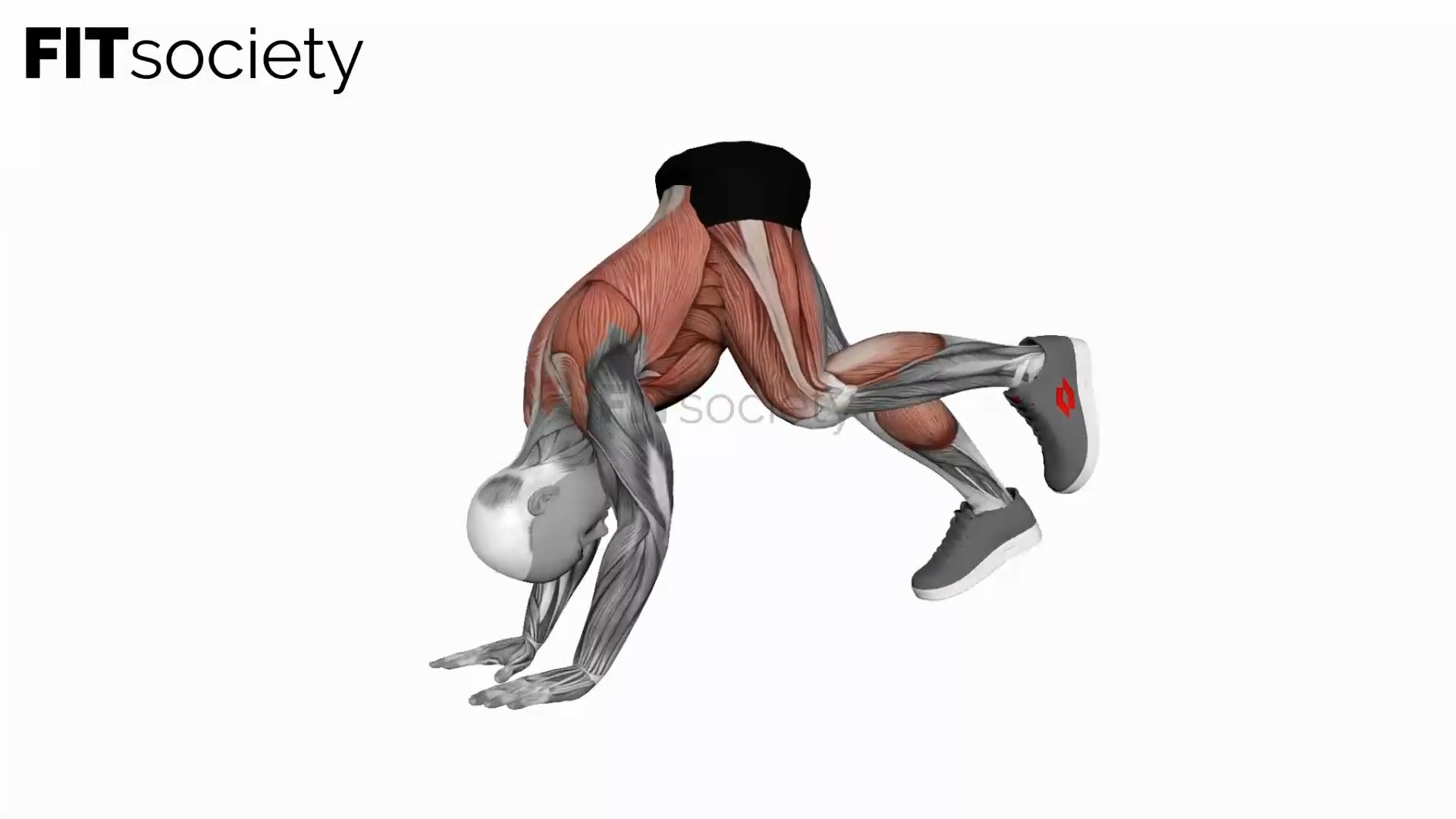
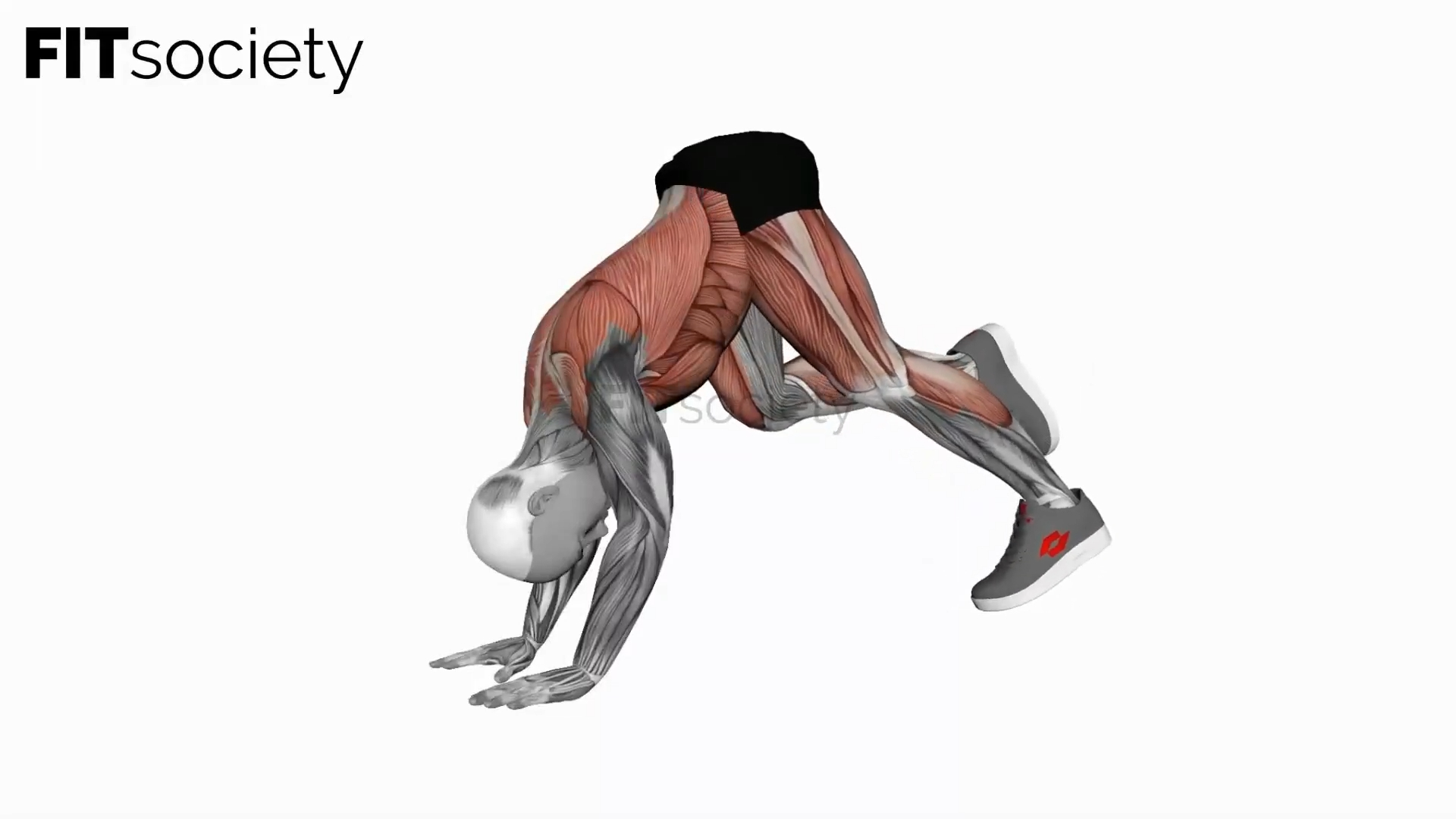
Execution
-
1
Begin in the Downward Dog position: hands and feet on the floor, hips raised so that your body forms an inverted V.
-
2
Make sure your hands are pressed firmly into the floor and your feet are hip-width apart.
-
3
From this position, lift one leg and bring your knee toward your chest while shifting your body weight forward.
-
4
Extend your leg back again and repeat the movement with the other leg.
-
5
Continue alternating this sprint movement for the desired amount of time or number of repetitions.
Benefits
The Downward Dog Sprint not only improves your cardiovascular fitness, but also strengthens your muscles, improves your flexibility, and helps burn calories. It is a versatile exercise that contributes to overall fitness.
Common Mistakes
- ! Not fully extending the legs in the Downward Dog position.
- ! Placing too much pressure on the arms instead of distributing the weight evenly.
- ! Not keeping the back straight during the sprint movement.
Primary Muscles
This exercise targets the shoulders, arms, core, hamstrings, and calves. It is an excellent way to train multiple muscle groups at the same time.
Possible Alternatives
To adjust the intensity, you can increase or decrease the speed of the sprint movement. Beginners may find it helpful to start with a slower execution or hold the Downward Dog position for a shorter time. Advanced athletes can add extra resistance by wearing ankle weights.
Run your fitness business with more structure
- Planning, member management and coaching in one platform
- Built for coaches, studios and gyms
- Fewer separate tools, more overview