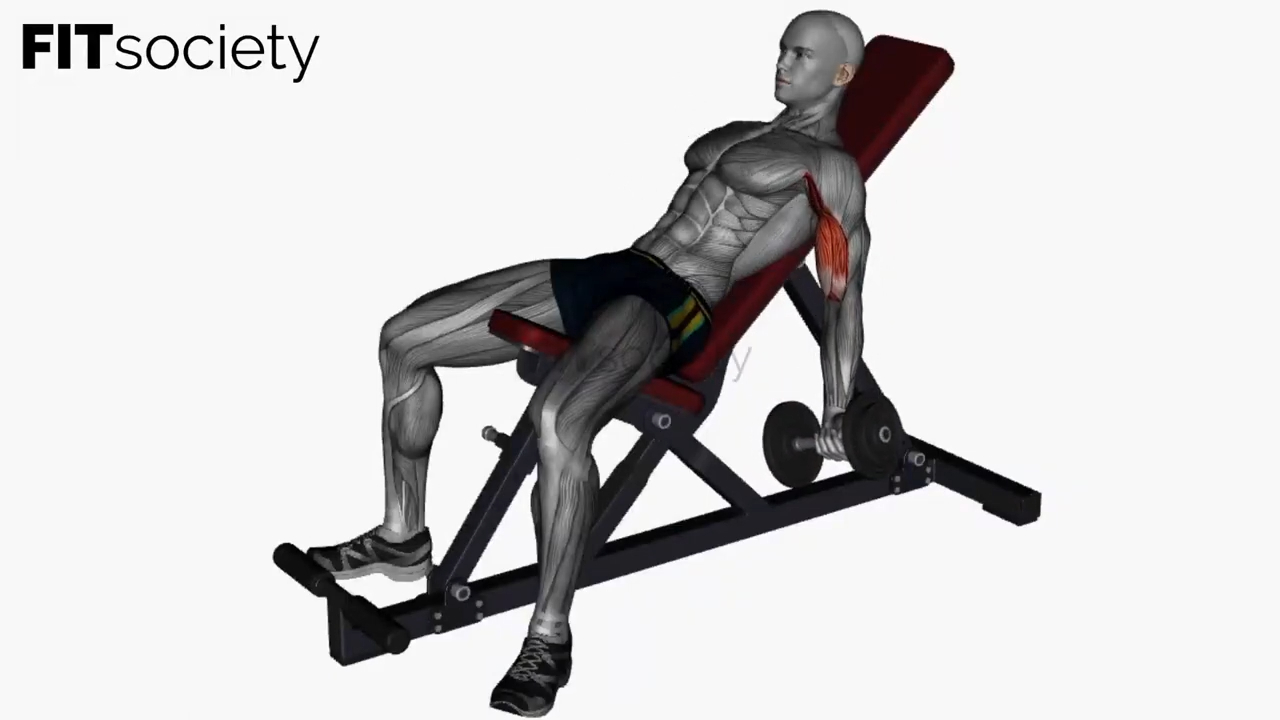
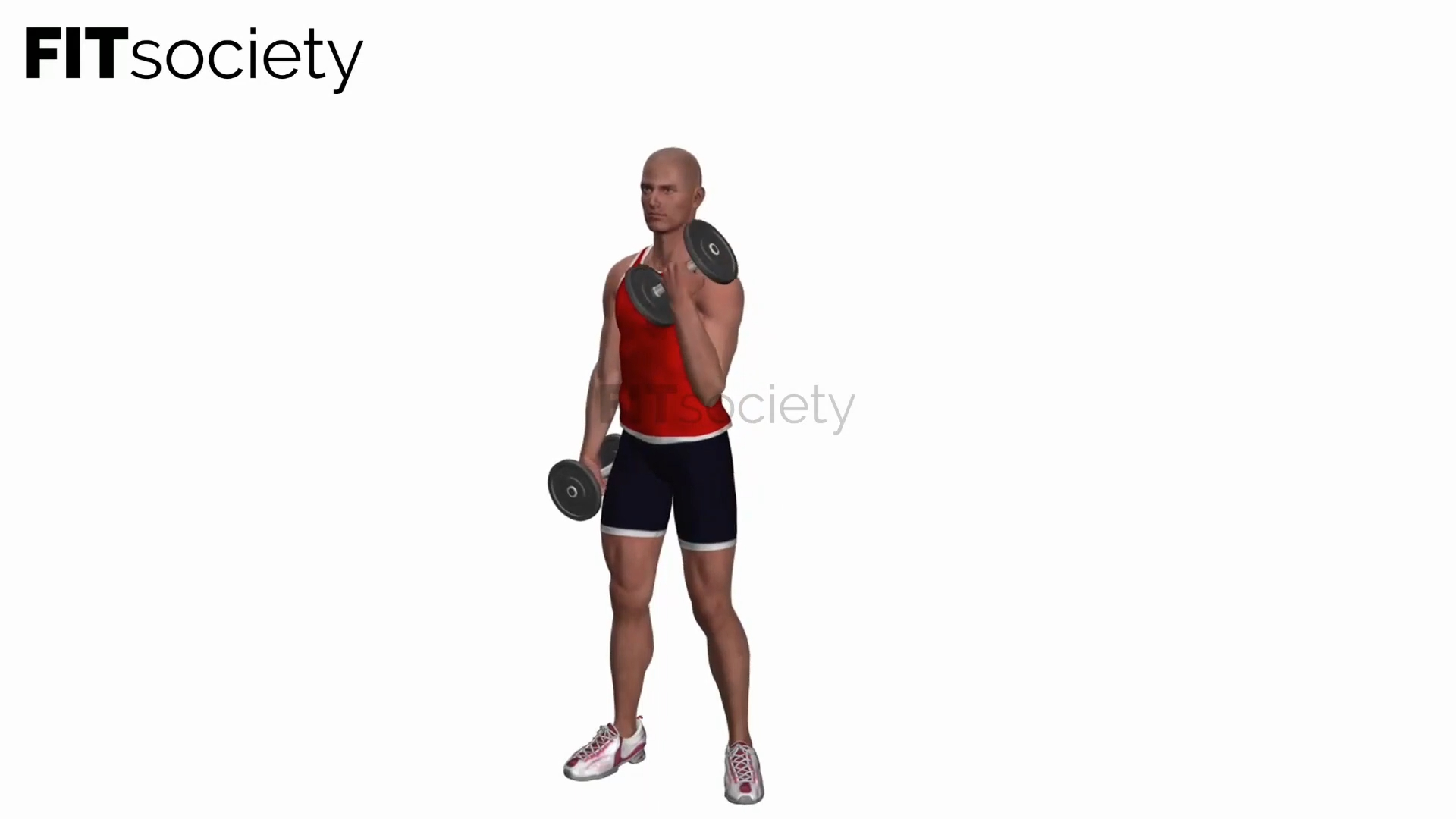
Barbell Drag Curl
The Barbell Drag Curl is a variation of the traditional biceps curl that targets the biceps in a unique way. By 'dragging' the barbell upward along your body, you place more emphasis on the long head of the biceps, which may lead to greater definition and strength.

Execution
-
1
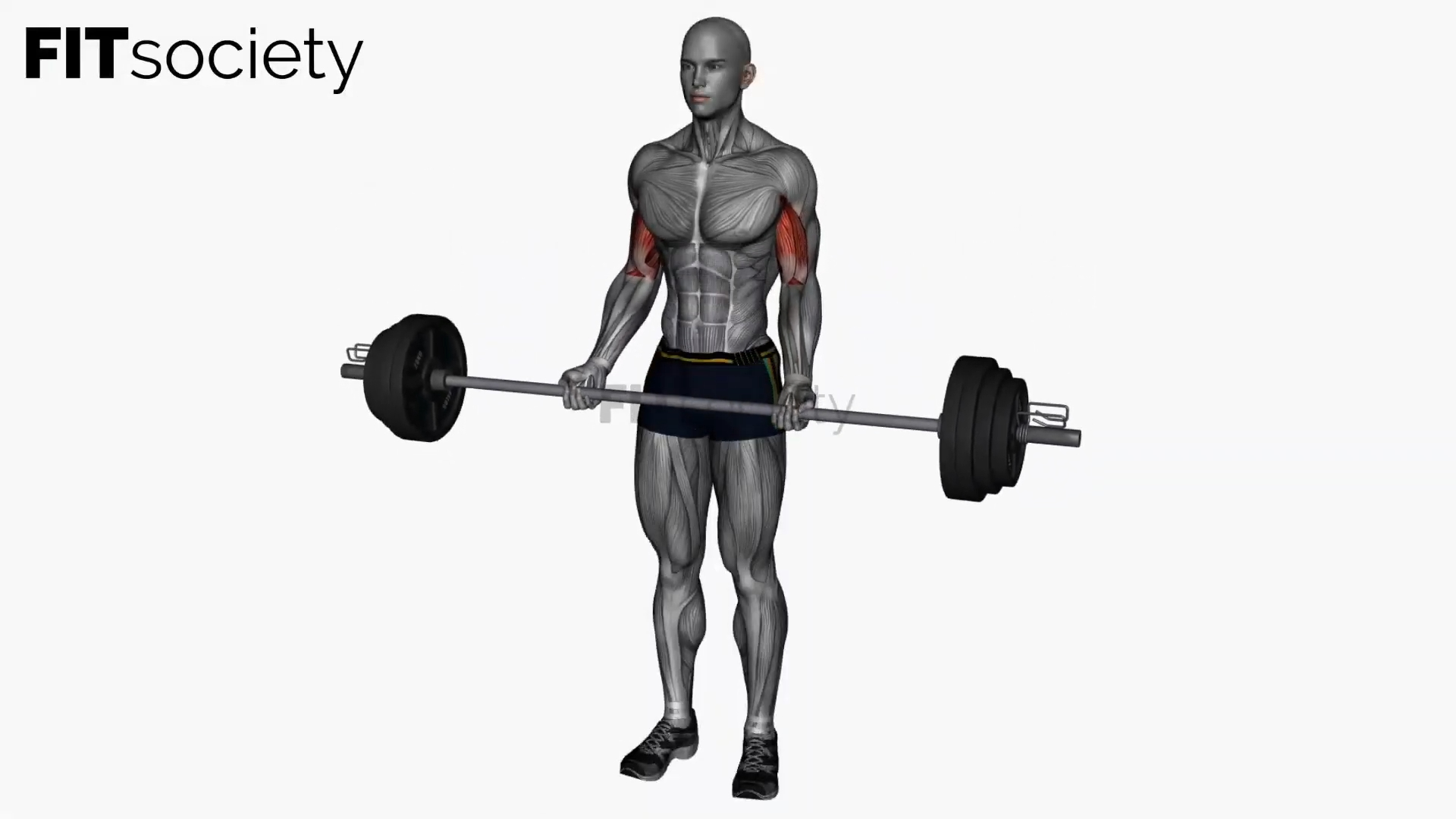
Stand upright with your feet shoulder-width apart and hold a barbell with both hands, palms facing forward.
-
2
Keep your elbows close to your body and 'drag' the barbell upward along your body by moving your elbows backward while contracting your biceps.
-
3
Lift the barbell up to your chest while keeping your upper arms as still as possible.
-
4
Slowly lower the barbell back to the starting position.
Benefits
- Increased focus on the long head of the biceps, which may lead to a better-shaped biceps muscle.
- Less stress on the wrists compared with traditional curls.
- Helps improve grip strength through the unique movement.
Common Mistakes
- ! Performing the exercise too quickly: use a controlled movement to achieve maximum muscle activation.
- ! Keeping the elbows too far from the body: this reduces the effectiveness of the exercise.
- ! Using too much weight: this can lead to incorrect form and possible injuries.
Key Muscles
This exercise primarily targets the biceps brachii, particularly the long head of the biceps. The forearm muscles and, to a lesser extent, the shoulder muscles are also trained.
Possible Alternatives
- Dumbbell Drag Curl: For those without access to a barbell or who prefer dumbbells.
- Cable Drag Curl: Use a cable machine for constant resistance throughout the movement.
- Resistance Band Drag Curl: Ideal for home workouts or when traveling.
Run your fitness business with more structure
- Planning, member management and coaching in one platform
- Built for coaches, studios and gyms
- Fewer separate tools, more overview