A new gym platform is not just a different dashboard. It affects members checking in, staff at reception, memberships, classes, credits, invoices and the information coaches need. A successful change is therefore an operational handover, not simply an import.
1. Do not accidentally reactivate dormant or former members
An old export often mixes active members, dormant members, cancelled memberships, trial users and archive records. They should not receive the same treatment or the same communication. A quiet migration means deciding in advance who needs an update. Active members may need instructions for their membership, booking or app. A dormant member should not suddenly receive an invitation or onboarding message simply because their record moved.
Create clear groups: active members with memberships or credits; active members with one-off products; dormant members kept for administration or a later targeted campaign; and former members or archive records retained only where there is a clear reason. For each group, document the data scope, owner and communication decision. This prevents a data migration becoming an accidental bulk-activation campaign.
2. Transfer contracts, memberships, direct debit and credits with controls
The biggest risk is rarely a member name. It is the financial and operational status around it: contract dates, memberships, direct-debit timing, invoices, balances, credit packs and renewal rights. Agree one cutover date and decide which system remains the source for payments and corrections until that point.
Use an acceptance list before go-live: active membership counts and statuses, relevant contract and renewal dates, outstanding balances, payment statuses, credits and exceptions needing manual follow-up. This turns an export into a controllable handover. Review how subscriptions, payments and credits fit the new flow before you start.
3. Keep access, check-in, scheduling and bookings operational
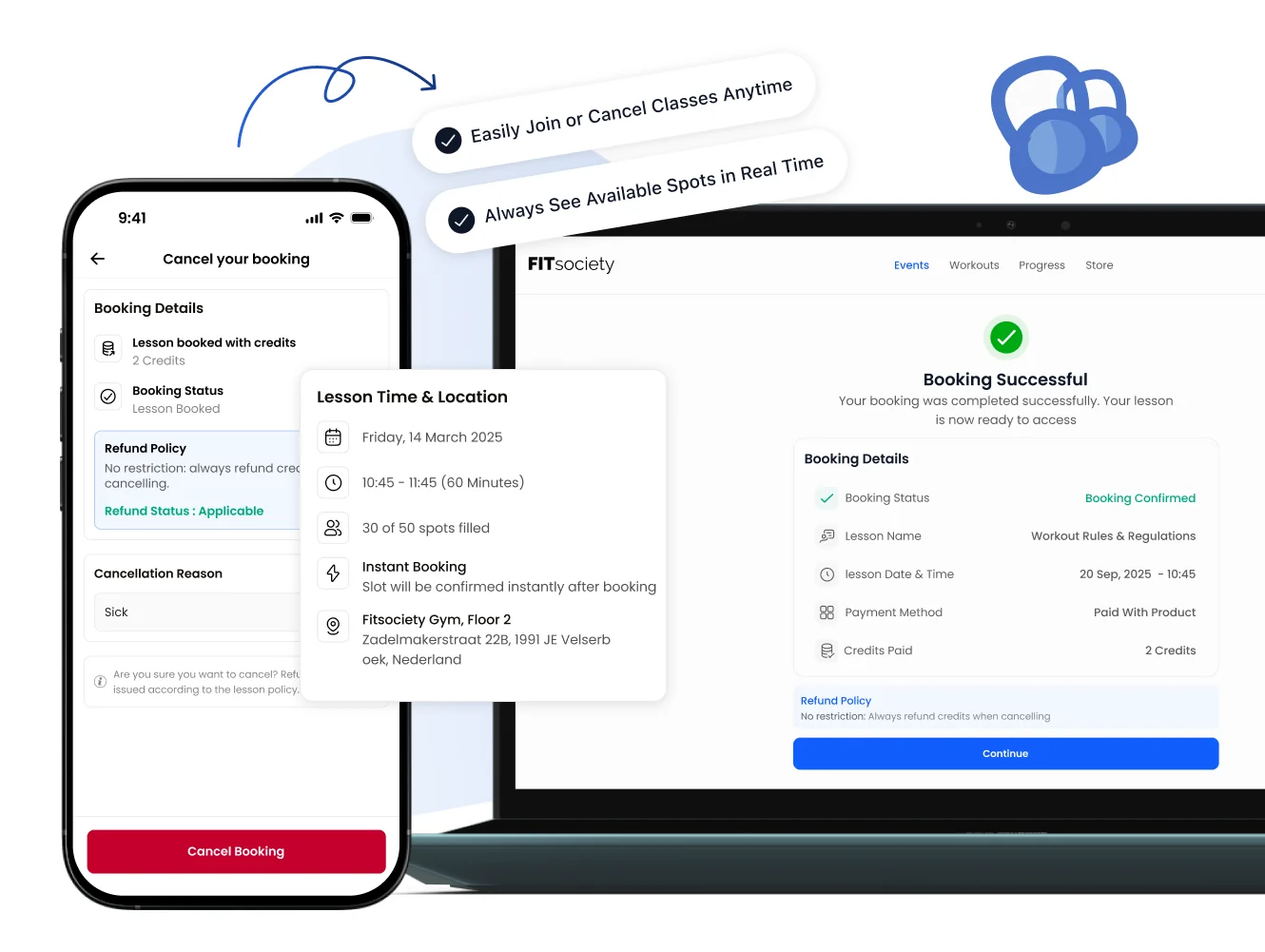
A poor migration becomes visible at the front desk: a member cannot check in, a booking is missing or a class capacity is wrong. Map operational dependencies before go-live: locations and doors, recurring classes, bookings, waiting lists, credits and the staff who resolve exceptions.
Test with a small representative group, not an empty environment: an active member with a membership, a member with credits, an upcoming booking, a staff member doing check-ins and a manual exception. Align the team on the calendar and booking flow before the first live day.
4. Move the data that retains operational value
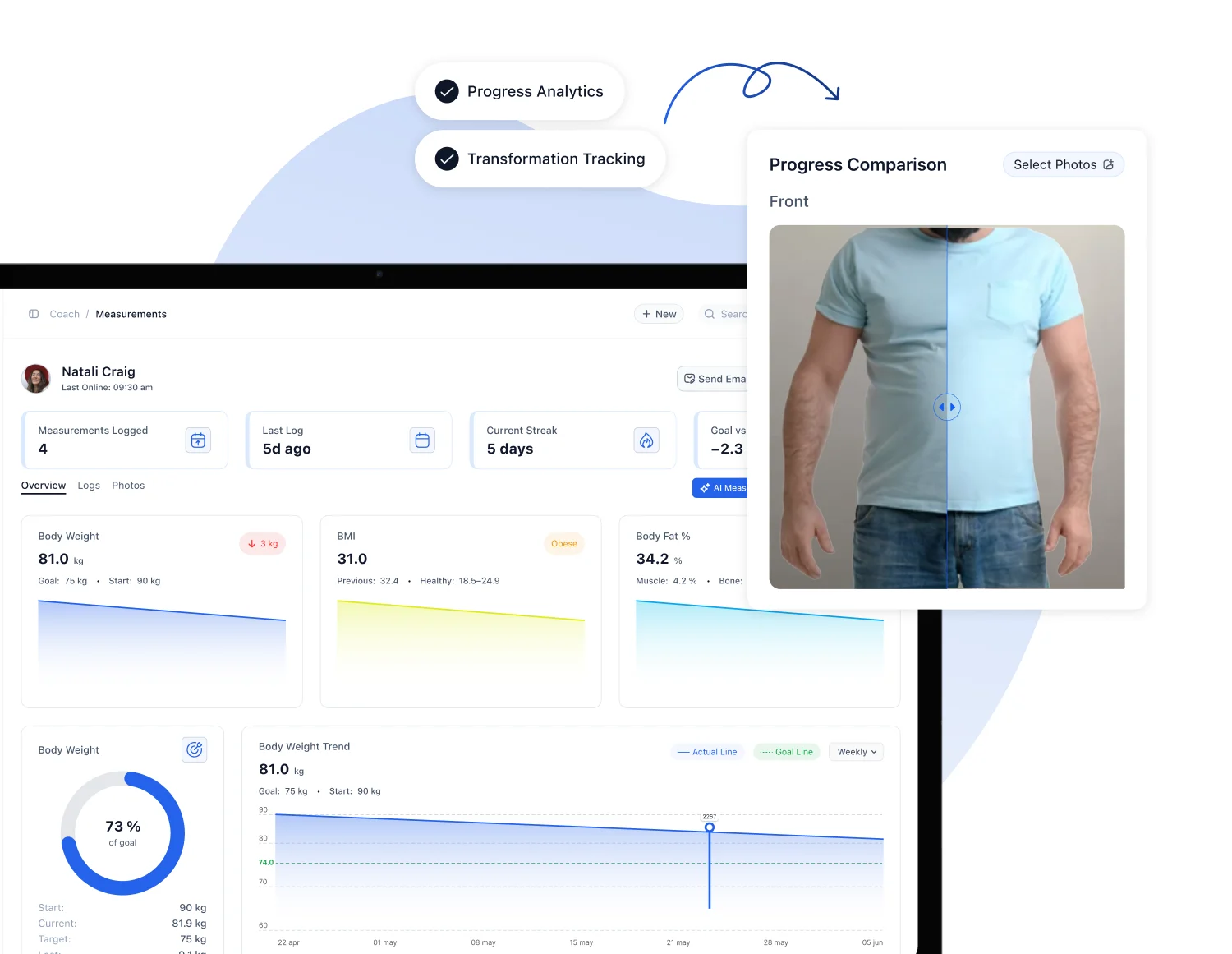
Do not choose blindly between moving names only and moving every historic field. Ask what the team needs to support members, manage payments and continue coaching. Besides core member data, that can include contracts, credits, bookings, notes, training plans and training history.
FITsociety can help inventory, map and validate the source data. What can move depends on the available export, its structure and quality, and the agreed scope. If contracts, training plans or training history are usable in the source system, they can be assessed for migration. Not every historic field means the same thing or can be mapped safely. Agree available exports, required fields, archive-only fields, duplicate and date checks, and a sample of records to compare end to end. See member administration software for gyms and studios for the operational foundation.
5. Avoid running two systems for weeks
Two systems can feel safe but soon create conflicting statuses. Define one owner, the date the old system becomes read-only, where staff report questions and who reviews exceptions. The old system can remain an archive, but daily operations need one clear source of truth.
Five-step checklist
- Inventory exports, contracts, processes, integrations and exceptions.
- Segment active, dormant, former and archive members.
- Agree the mapping, acceptance checks and manual exceptions.
- Test member status, payments, credits, access, bookings and staff actions with representative records.
- Go live with an accountable owner and a short reconciliation period.
If you want to align member management, scheduling, payments and coaching in one flow, explore gym software. To define the right data, communications and launch scope, see the migration service or book a demo.