Face Pulls
Face pulls are an effective exercise for strengthening the muscles in your upper back and shoulders. This exercise not only helps develop a strong, balanced upper back, but also improves your posture and shoulder stability.
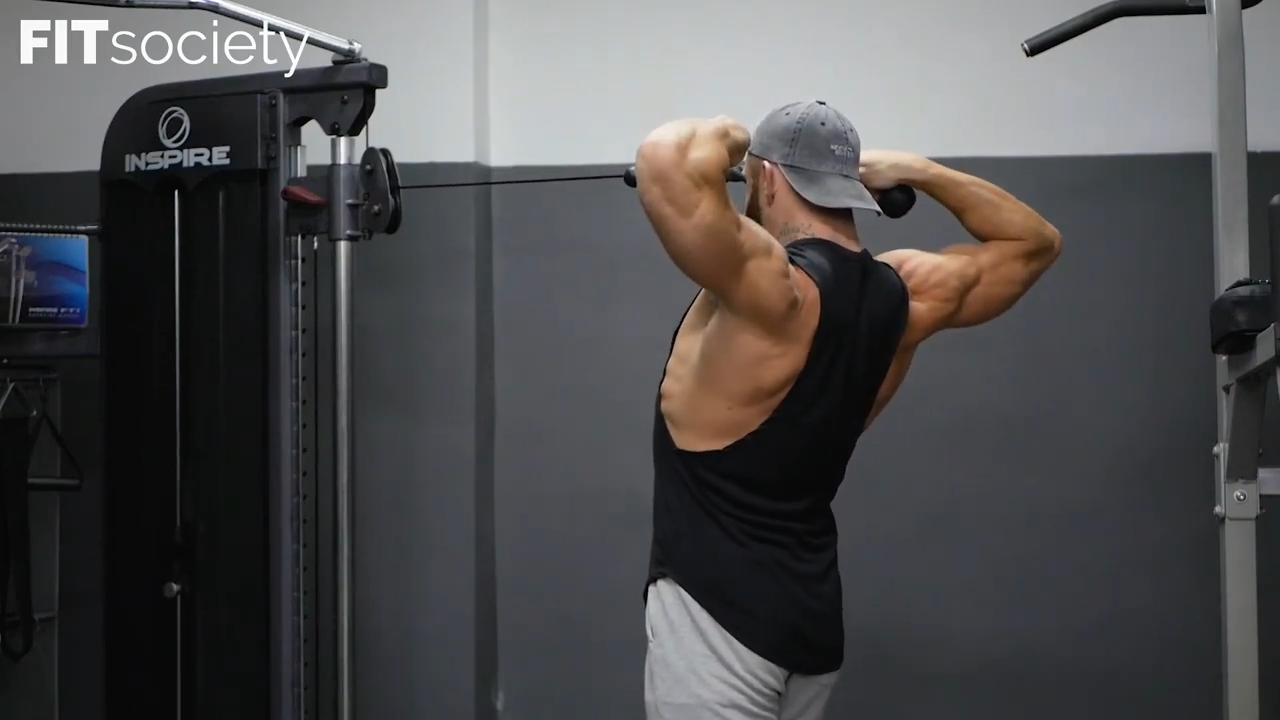
Execution
-
1
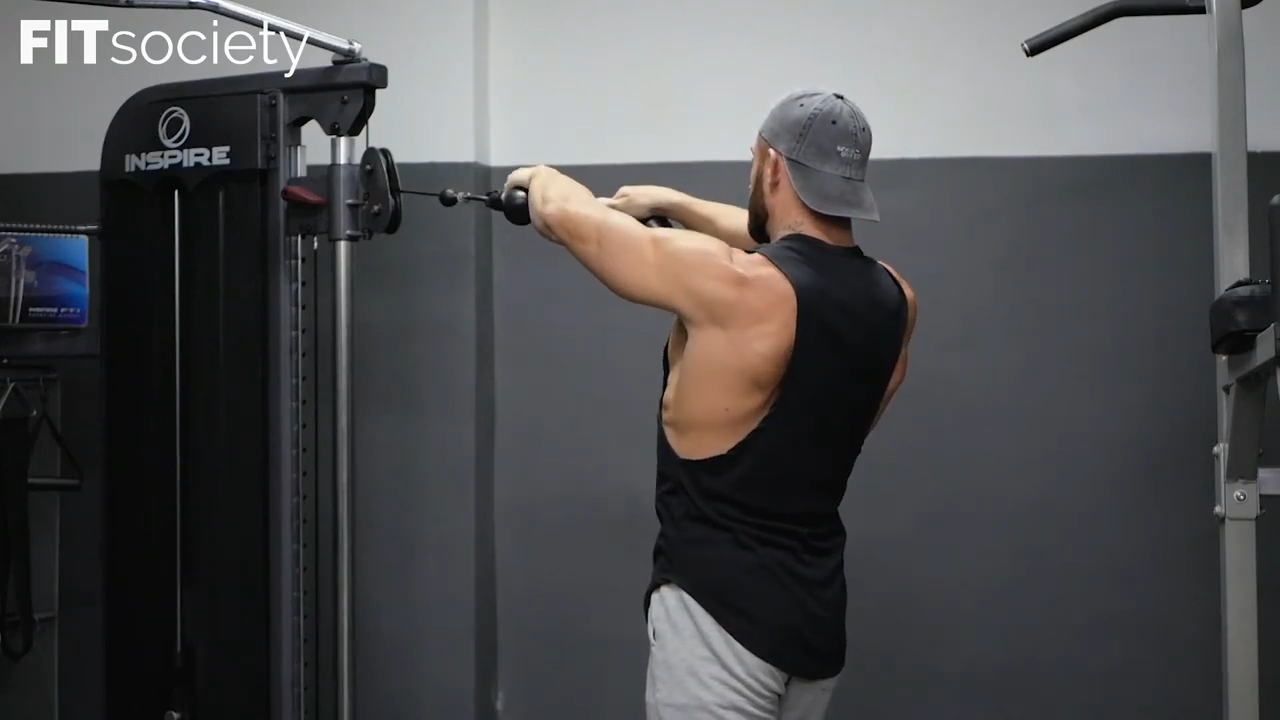
Set up a cable machine with a rope attachment at approximately face height.
-
2
Grip the rope with both hands using an overhand grip. Step back until your arms are fully extended and there is tension on the cable.
-
3
Lean slightly backward with your feet hip-width apart and bend your knees slightly.
-
4
Pull the rope toward your face while keeping your elbows high and out to the sides.
-
5
Focus on squeezing your shoulder blades together as you pull the rope toward your face.
-
6
Slowly let the rope return to the starting position while maintaining control.
Benefits
- Improves posture by strengthening the upper back and shoulders.
- Helps prevent shoulder injuries by strengthening the rotator cuff muscles.
- Increases the stability of the shoulder joints.
Common Mistakes
- ! Using too much weight, causing technique to deteriorate.
- ! Keeping the elbows too low during the exercise, which reduces its effectiveness.
- ! Not focusing on squeezing the shoulder blades together.
Primary Muscles
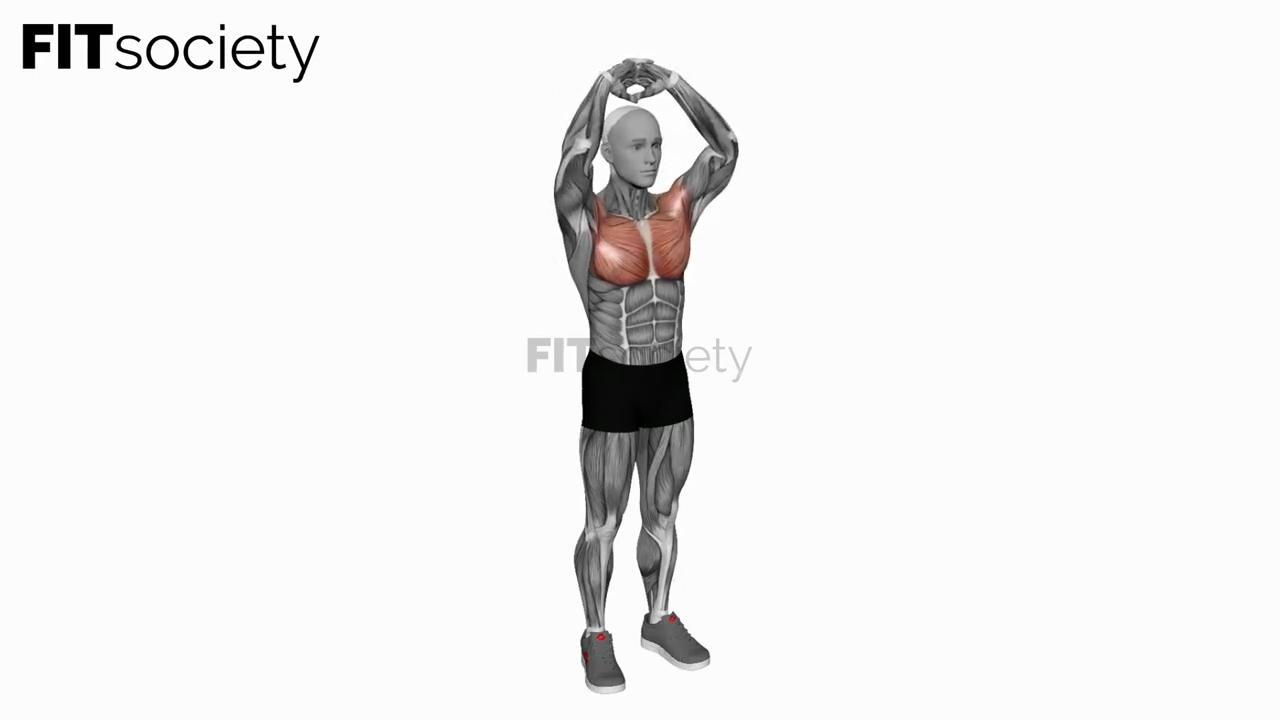
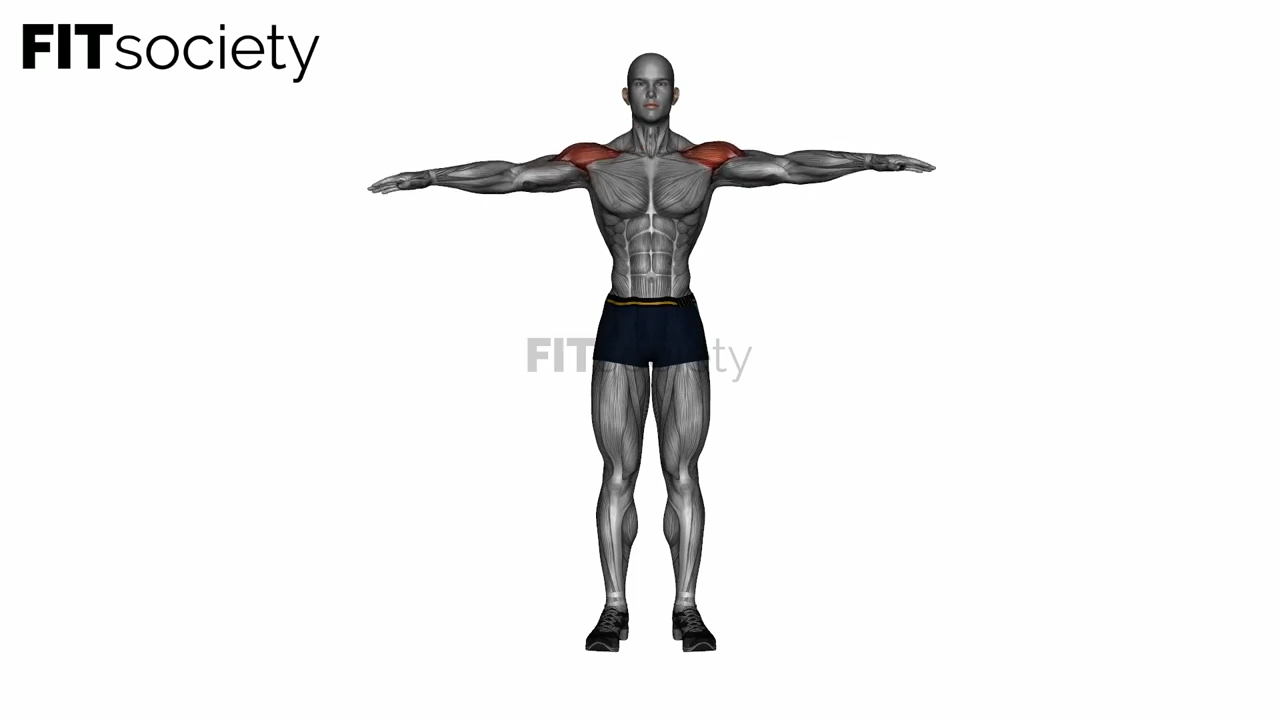
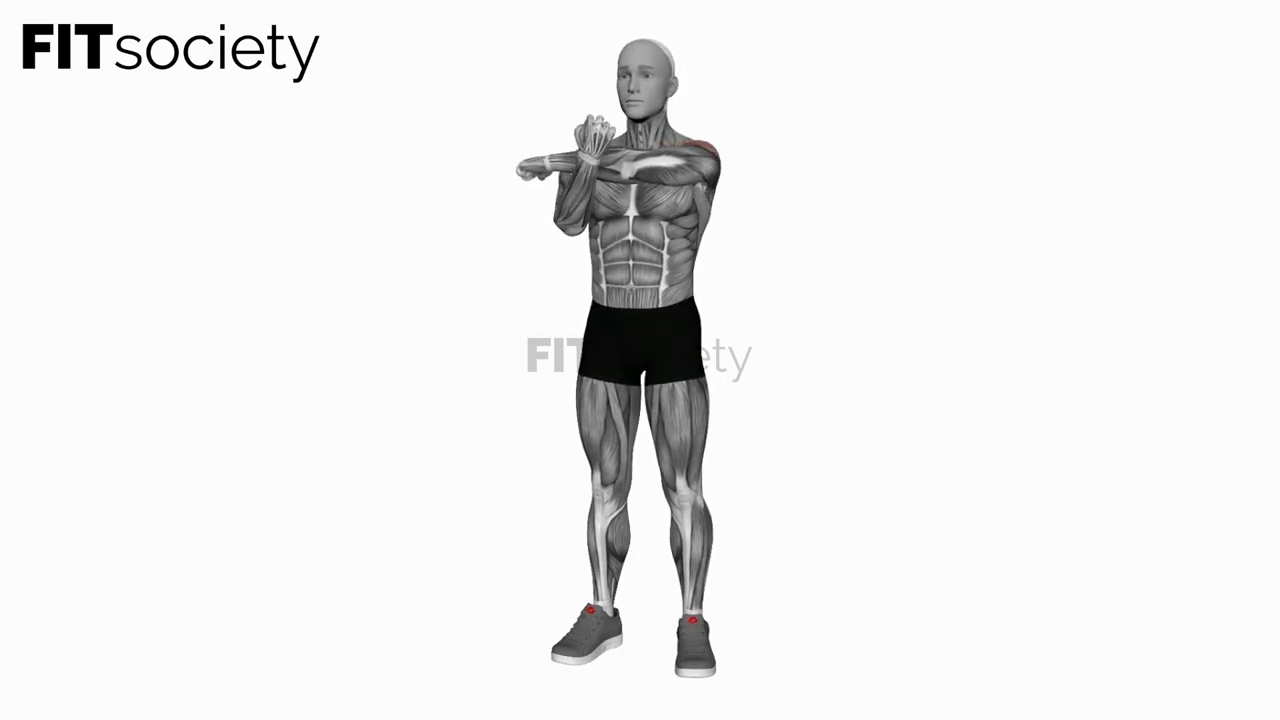
The primary muscle groups involved in face pulls are the rear deltoids, trapezius, and rhomboids. These muscles are crucial for proper shoulder rotation and posture.
Possible Alternatives
- Use resistance bands instead of a cable machine for a different form of resistance.
- Perform the exercise seated if standing is too demanding.
- Change the grip, for example to an underhand grip, to emphasize different parts of the shoulders and upper back.
Run your fitness business with more structure
- Planning, member management and coaching in one platform
- Built for coaches, studios and gyms
- Fewer separate tools, more overview