Reverse Lunges
If you're looking for an effective way to train your lower body, reverse lunges are an excellent choice. This exercise focuses on strengthening and toning your legs and glutes while also improving your balance and coordination.
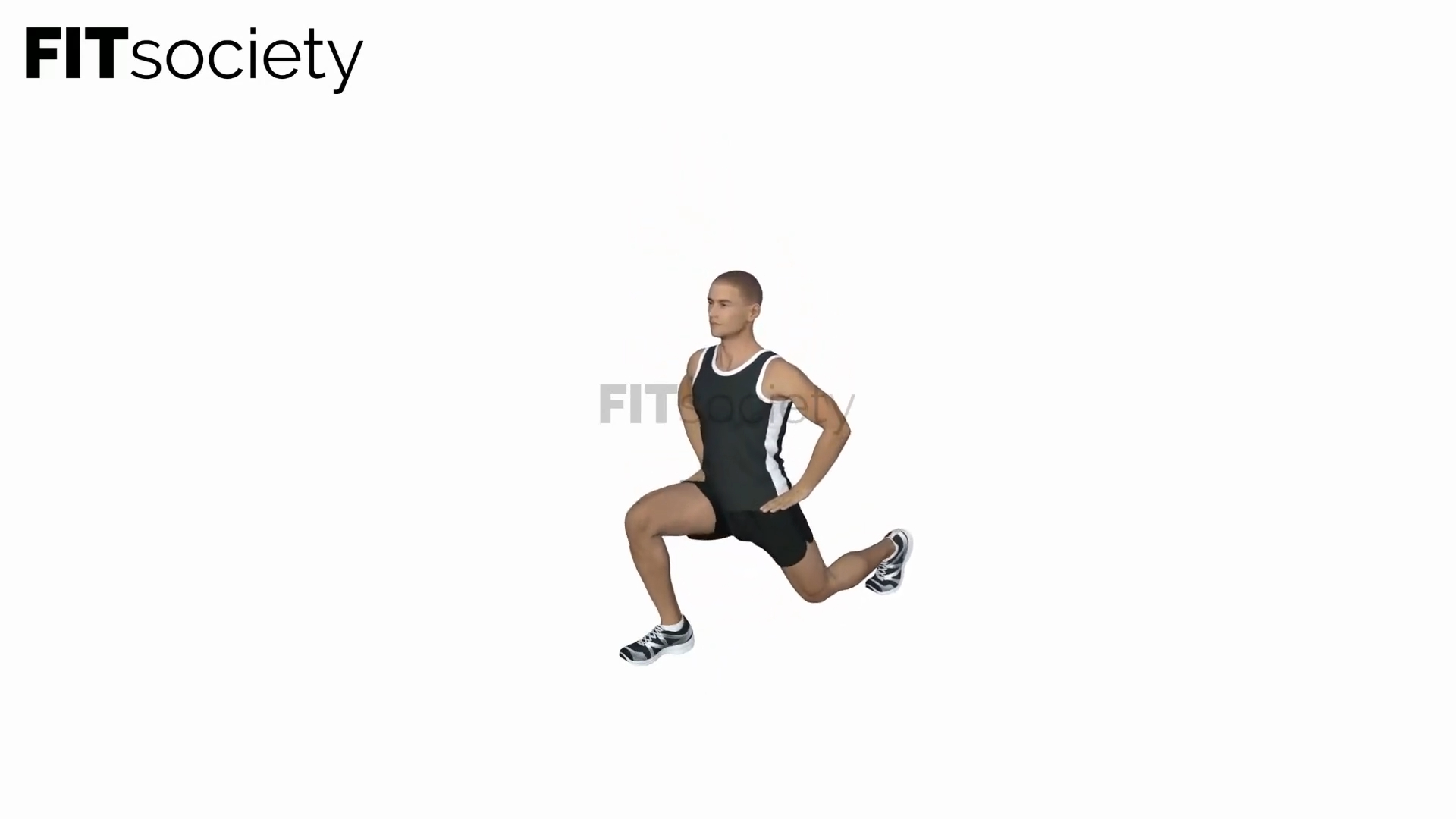
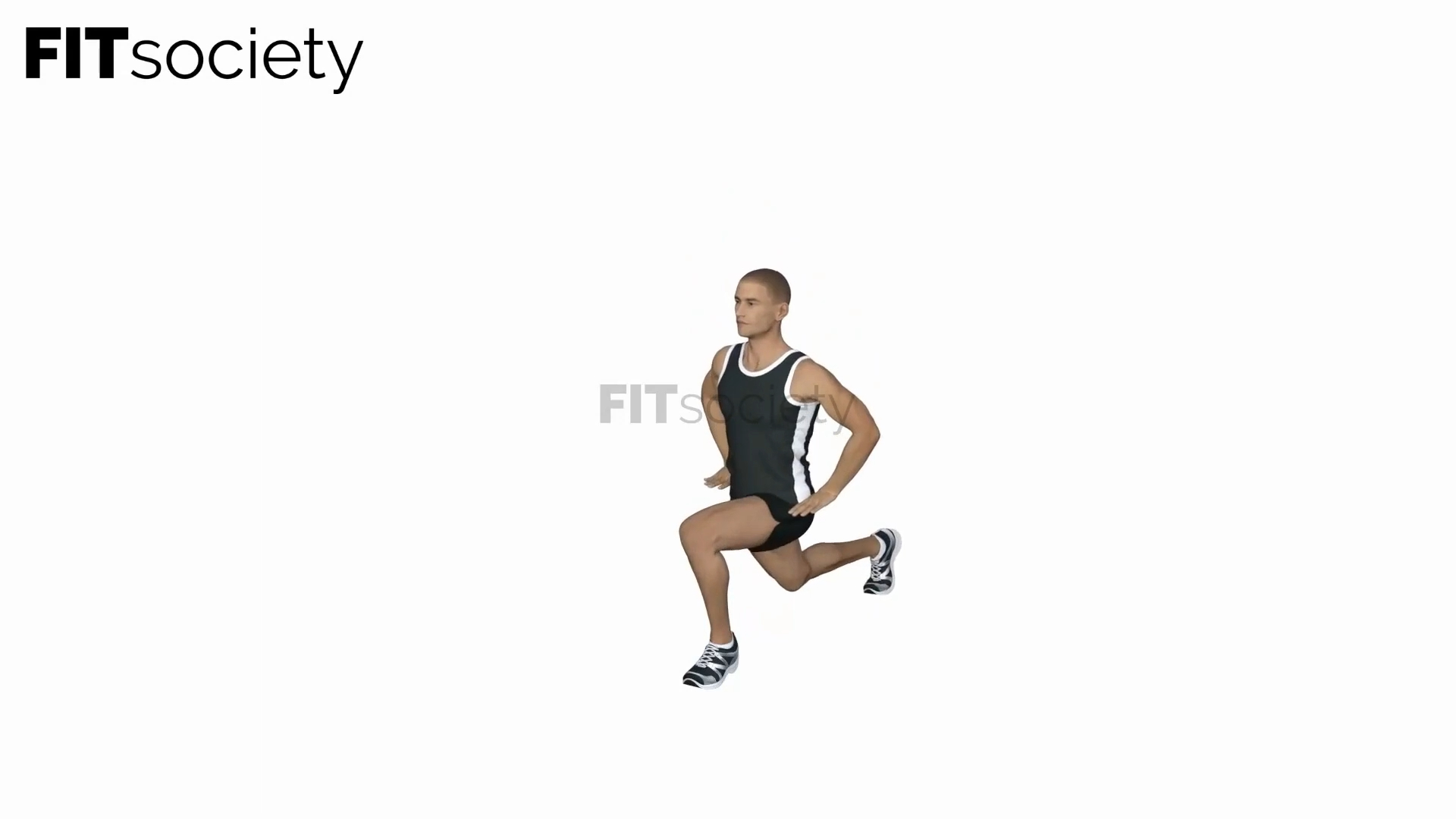
Execution
-
1
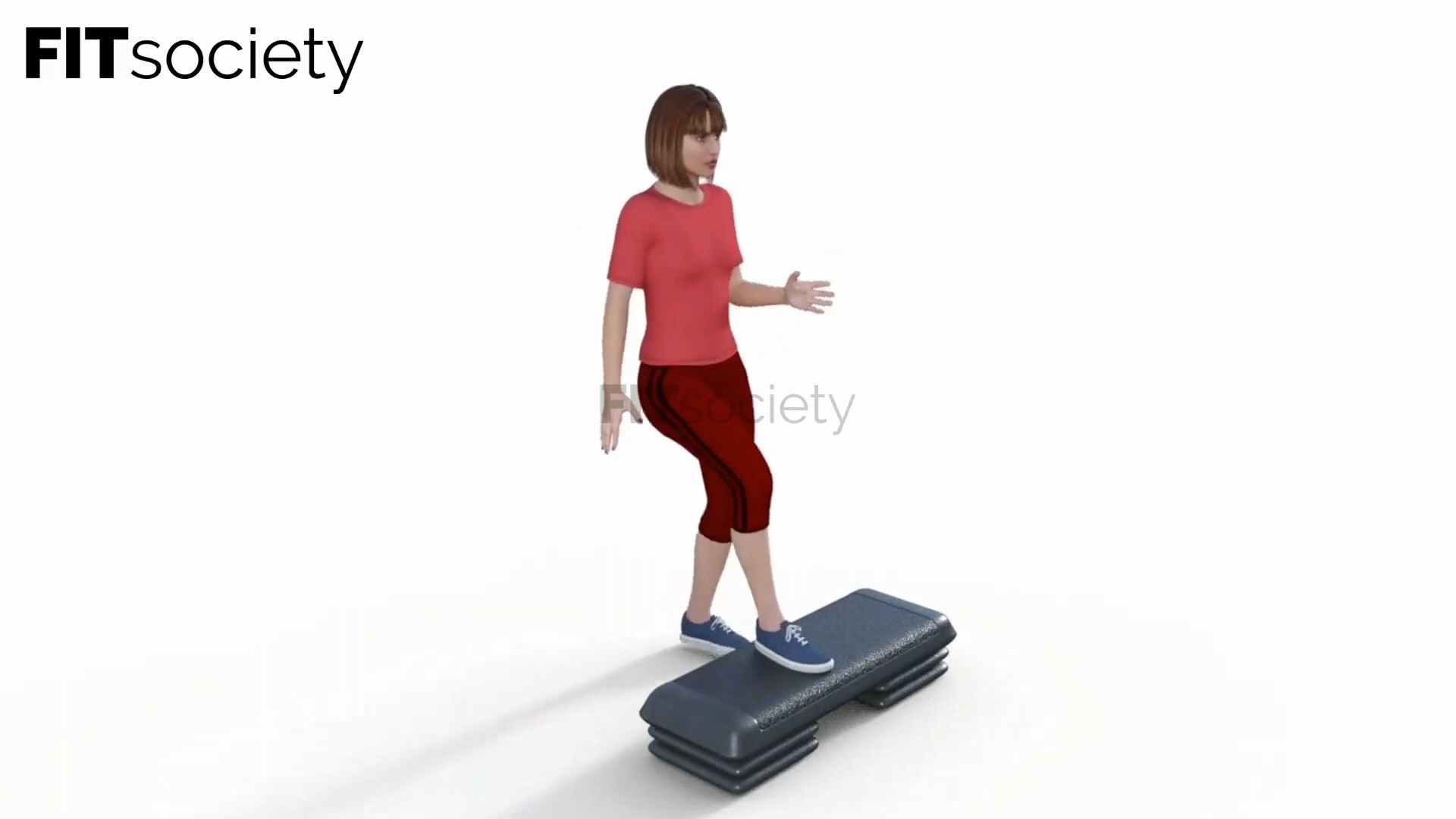
Begin standing with your feet hip-width apart.
-
2
Take a large step backward with one leg.
-
3
Lower your hips until both knees are at approximately 90-degree angles.
-
4
Make sure your front knee remains above your ankle and does not move forward past your toes.
-
5
Push yourself back to the starting position by driving your front heel into the floor.
-
6
Repeat the movement with the other leg.
Benefits
In addition to strengthening your lower body, reverse lunges also help improve your posture and balance. They place less stress on your knees compared with traditional lunges, making them a safer option for people with knee problems.
Common Mistakes
- ! Step too large: Taking too large a step can lead to excessive stress on your knee. Make sure your step is large enough to bring your knees to 90-degree angles.
- ! Incorrect knee position: Do not let your knee move past your toes. This can cause unnecessary pressure on your knee.
- ! Loss of balance: If you have difficulty with balance, focus on a fixed point in front of you or use a wall or chair for support.
Key Muscles
Reverse lunges primarily target the quadriceps (front of the thighs), hamstrings (back of the thighs), glutes (buttocks), and calves. The core muscles are also lightly engaged for stability.
Possible Alternatives
To adjust the intensity of reverse lunges, you can add weights such as dumbbells or a kettlebell. For lower impact, you can reduce the step size or perform the exercise more slowly. Another variation is the walking lunge, in which you step forward instead of backward.
Run your fitness business with more structure
- Planning, member management and coaching in one platform
- Built for coaches, studios and gyms
- Fewer separate tools, more overview