Reverse Lunge
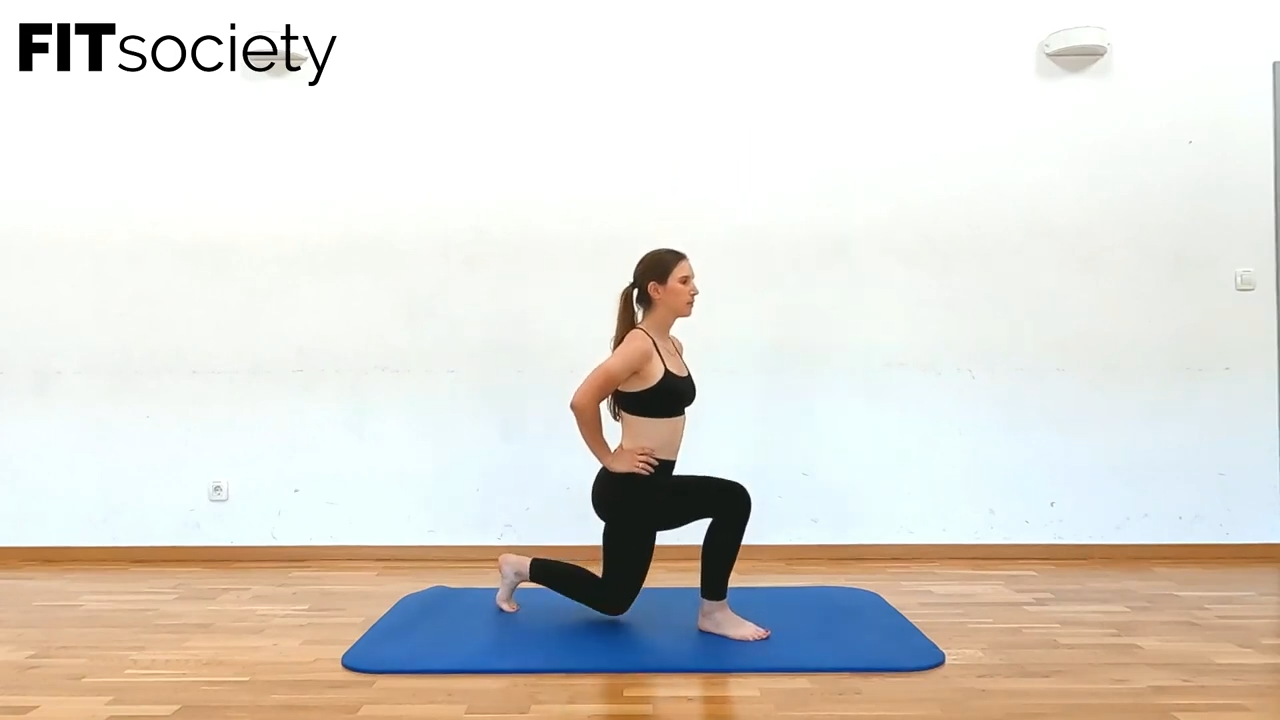
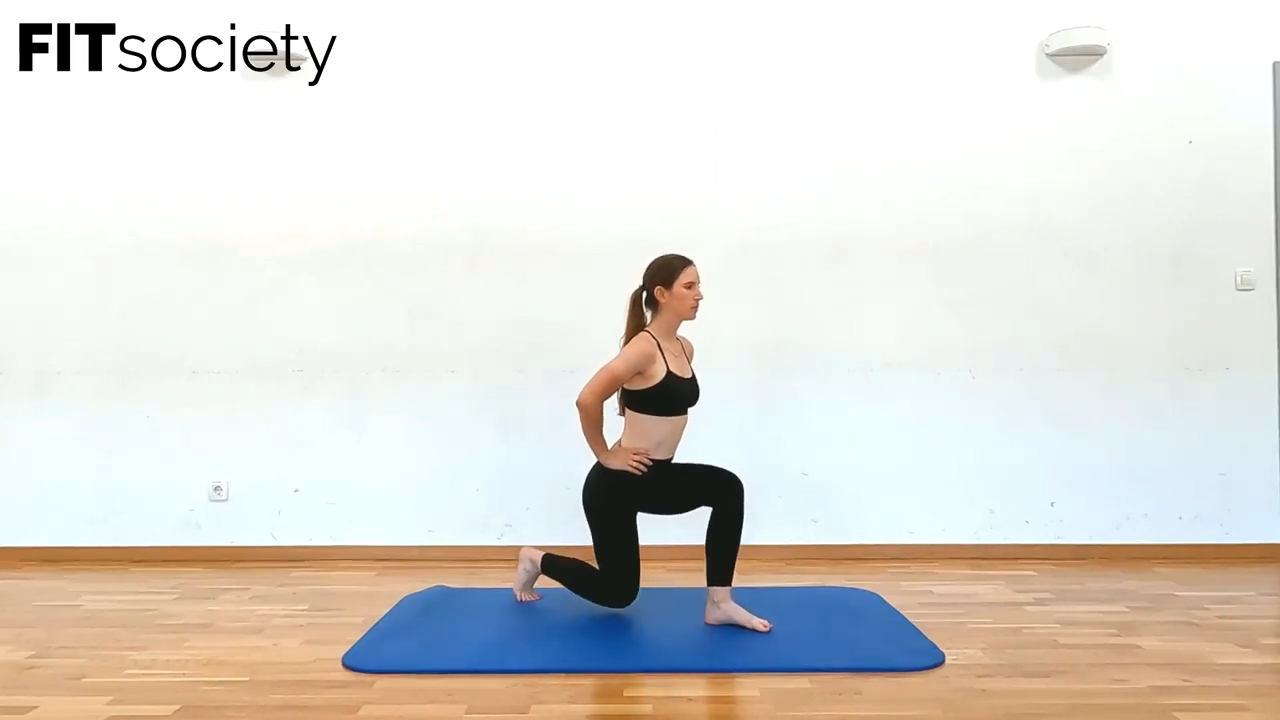
The reverse lunge is a popular leg exercise that targets the muscles in your lower body, including your glutes, hamstrings, and quadriceps. It is a variation of the traditional lunge and offers unique benefits because it places less pressure on your knees and helps improve your balance and coordination.
Instructions:
- Stand upright with your feet hip-width apart.
- Place your hands on your hips or hold weights for additional resistance.
- Step one leg backward and lower yourself until your front thigh is parallel to the floor.
- Make sure your front knee does not move past your toes.
- Push yourself up by pressing your front heel into the floor and return to the starting position.
- Repeat the movement with the other leg.
Main Muscles:
- Gluteus maximus (glutes)
- Quadriceps (front of the thighs)
- Hamstrings (back of the thighs)
- Core (for stability)
Benefits:
- Improves stability and balance.
- Strengthens the muscles symmetrically, which helps prevent injuries.
- Reduces impact on the knees compared with forward lunges.
- Can be performed anywhere without special equipment.
Common Mistakes:
- Leaning too far forward with your upper body; keep your back straight.
- Allowing the knee of your front leg to move too far past your toes.
- Failing to keep your hips at the same height.
- Not lowering yourself far enough, so the muscles are not fully engaged.
Possible Alternatives:
- Add weights such as dumbbells or a barbell for additional resistance.
- Try the walking lunge to make the exercise more dynamic.
- Use an elevated platform to place your rear foot on for a Bulgarian split squat.
- Perform the exercise with a resistance band around your thighs for an extra challenge.
Run your fitness business with more structure
- Planning, member management and coaching in one platform
- Built for coaches, studios and gyms
- Fewer separate tools, more overview