Straight Bar Cable Pulldown
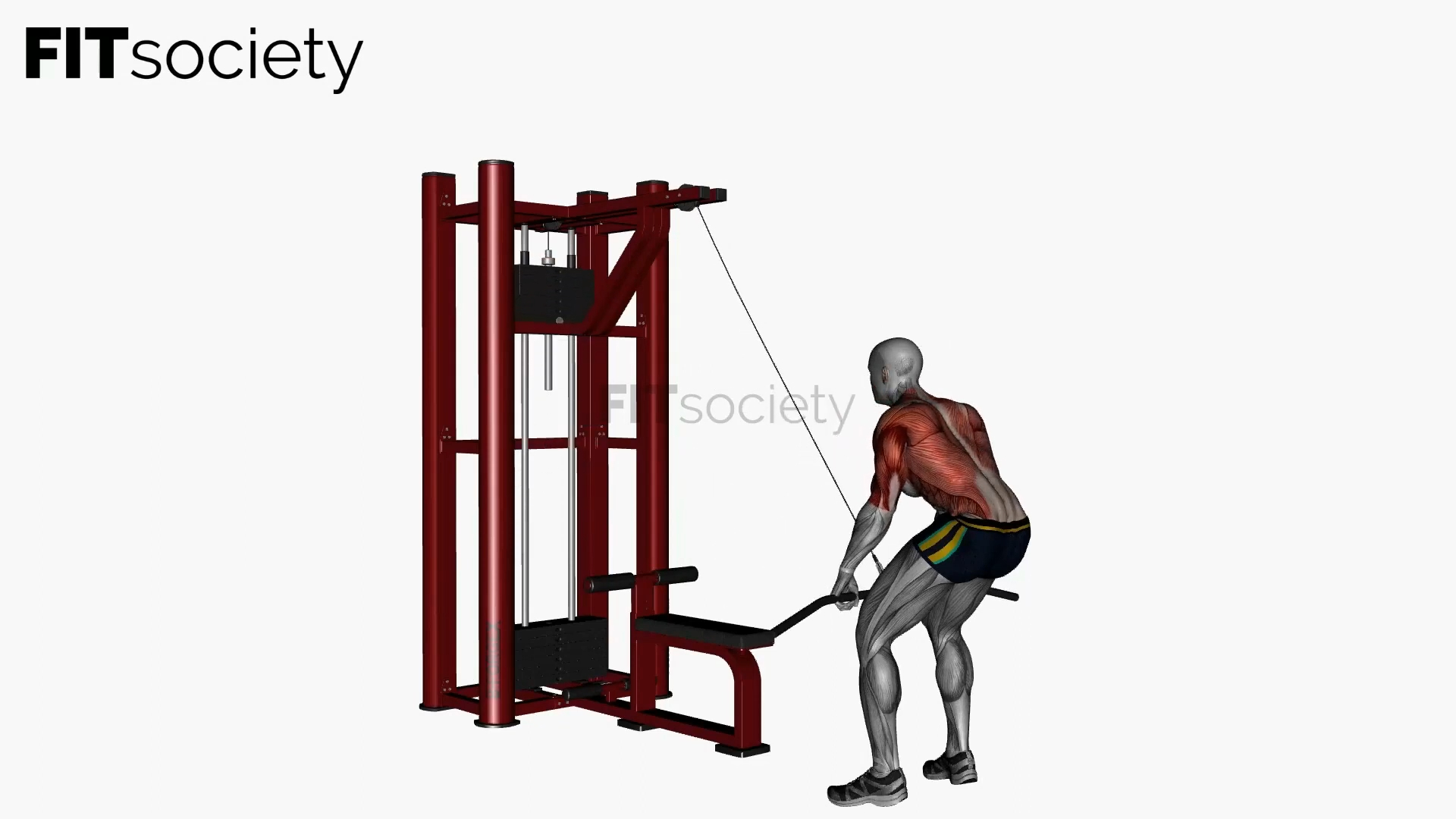
The Straight Bar Cable Pulldown is an effective exercise that targets and strengthens your back muscles. This exercise offers a unique way to isolate and develop your lats while also giving your biceps and shoulders a good workout.
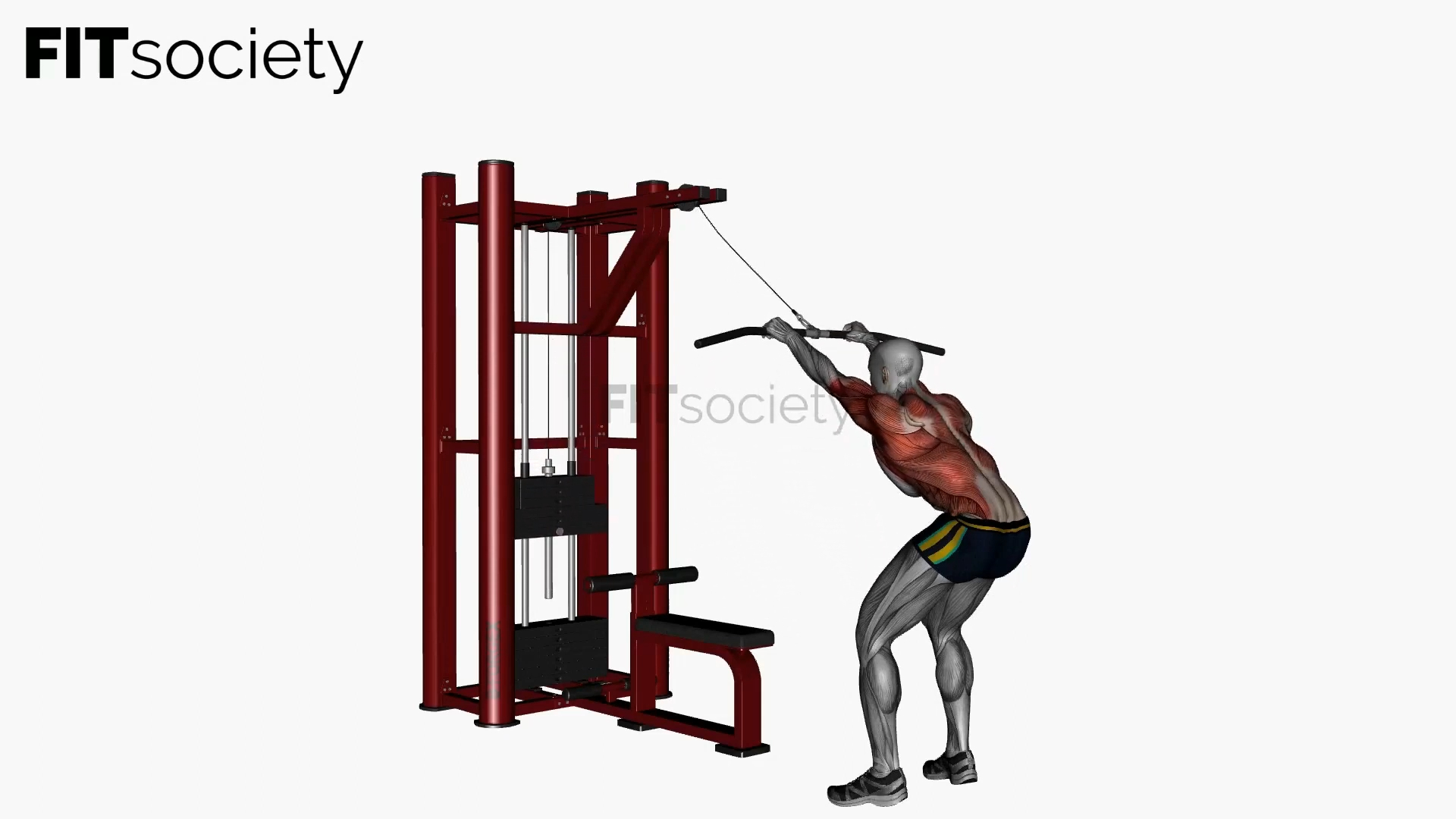
Execution
-
1
Start by setting the cable machine to a height above your head and attaching a straight bar to the cable.
-
2
Stand facing the machine and grasp the bar with an overhand grip slightly wider than shoulder-width apart.
-
3
Lean back slightly and place your feet firmly on the floor.
-
4
Pull the bar down toward your chest while pulling your elbows down and back.
-
5
Hold briefly at the bottom of the movement, then slowly and controllably allow the bar to return to the starting position.
Benefits
- Improves the strength and definition of the back muscles.
- Helps improve posture by strengthening the lats and upper back.
- May contribute to better grip strength.
Common Mistakes
- ! Performing the movement too quickly: Use a controlled movement to train the muscles effectively.
- ! Leaning too far back: This can place unnecessary stress on the lower back.
- ! Not keeping the elbows close enough to the body: This reduces the exercise's effectiveness for the lats.
Key Muscles
This exercise primarily targets the latissimus dorsi (lats), but also trains the biceps, trapezius, and rear deltoids.
Possible Alternatives
- For a lighter variation, you can use a resistance band instead of the cable machine.
- To increase the intensity, try the exercise with a V-bar instead of a straight bar.
- If you do not have access to a cable machine, you can perform a dumbbell row for a similar back workout.
Run your fitness business with more structure
- Planning, member management and coaching in one platform
- Built for coaches, studios and gyms
- Fewer separate tools, more overview