Lotus Pose
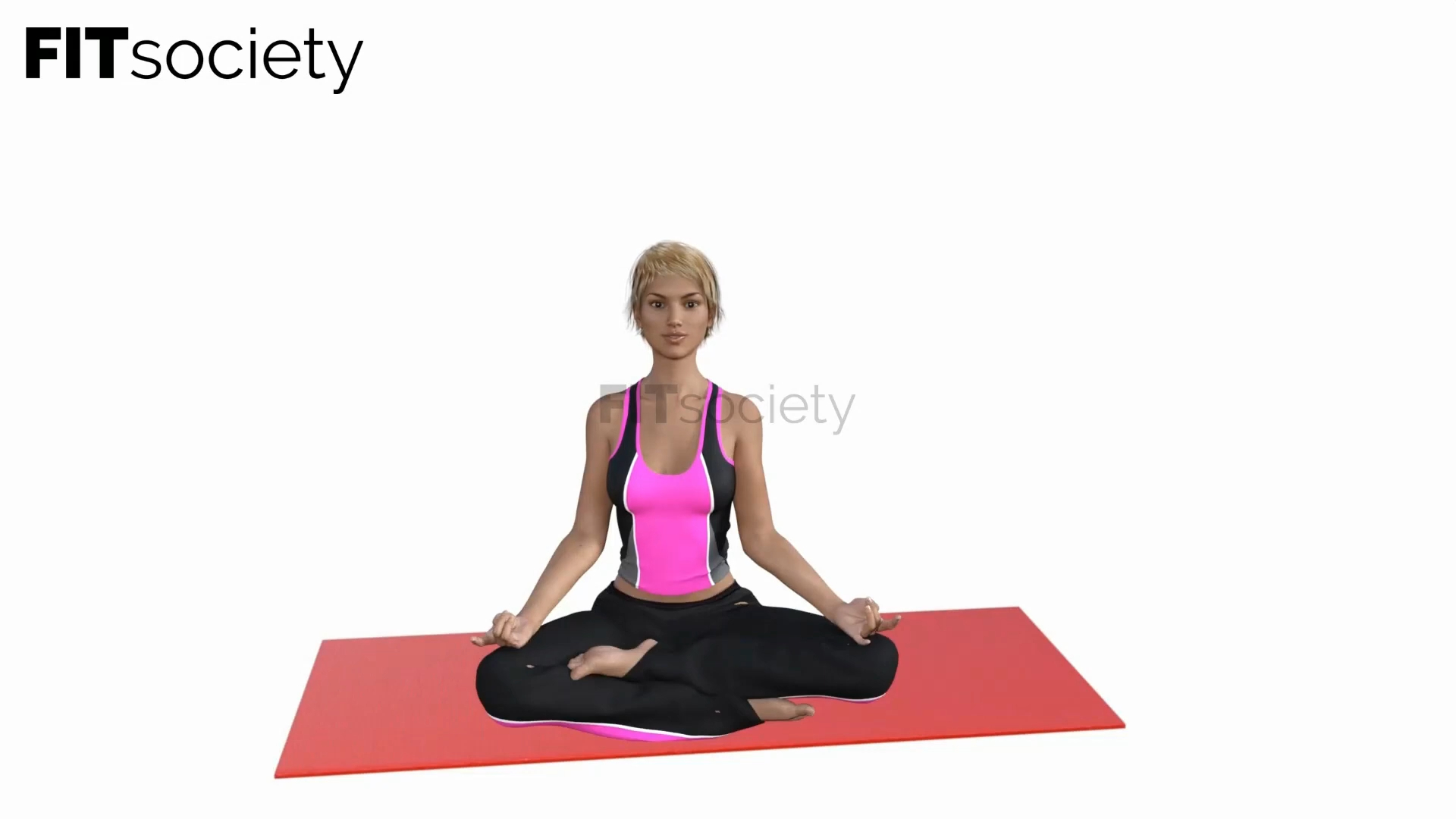
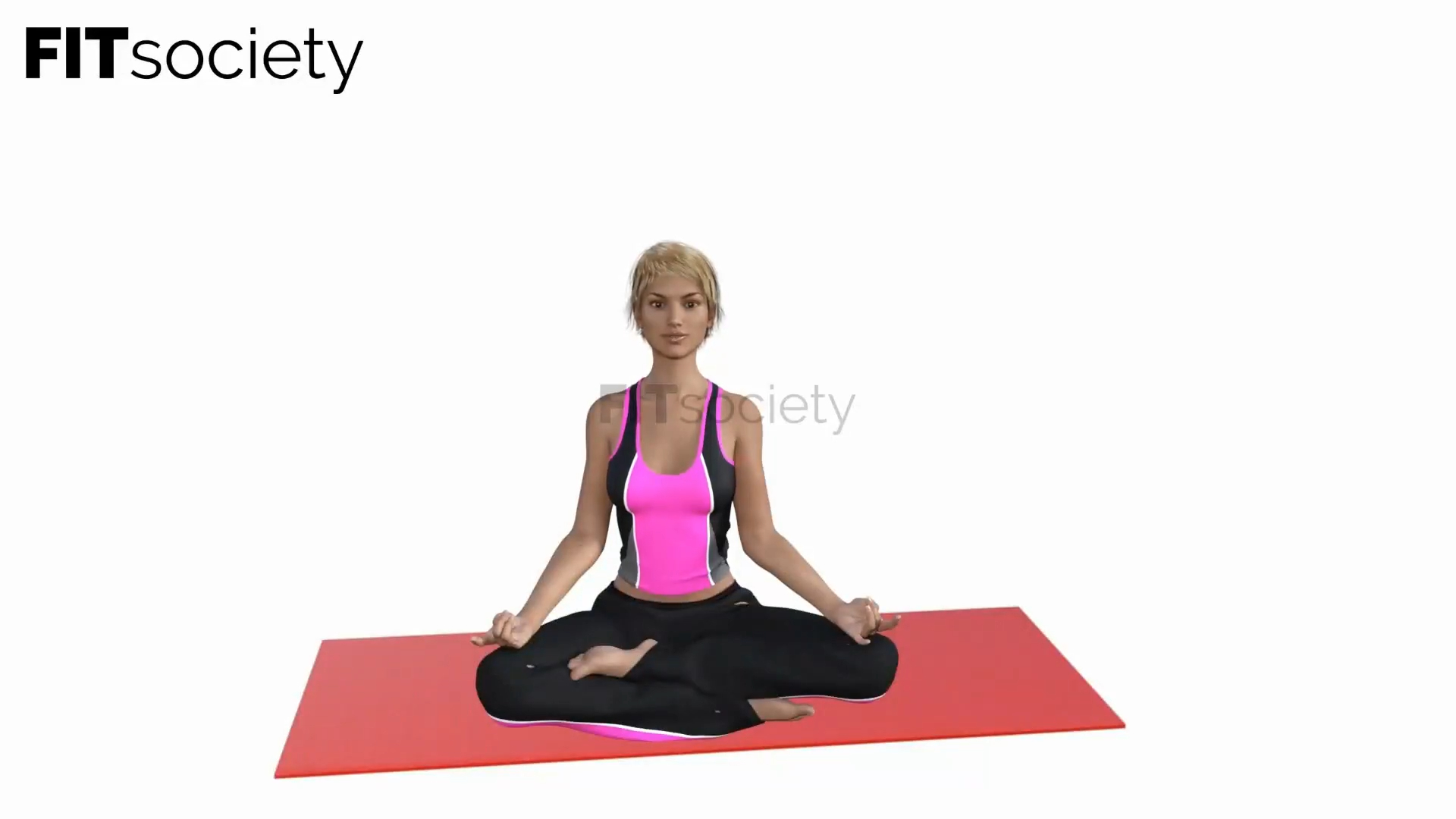
The Lotus exercise is a calming yet powerful way to train both your mind and body. This exercise, deeply rooted in yoga, helps improve your flexibility and strengthen your core while also providing a moment of meditation.
Execution
-
1
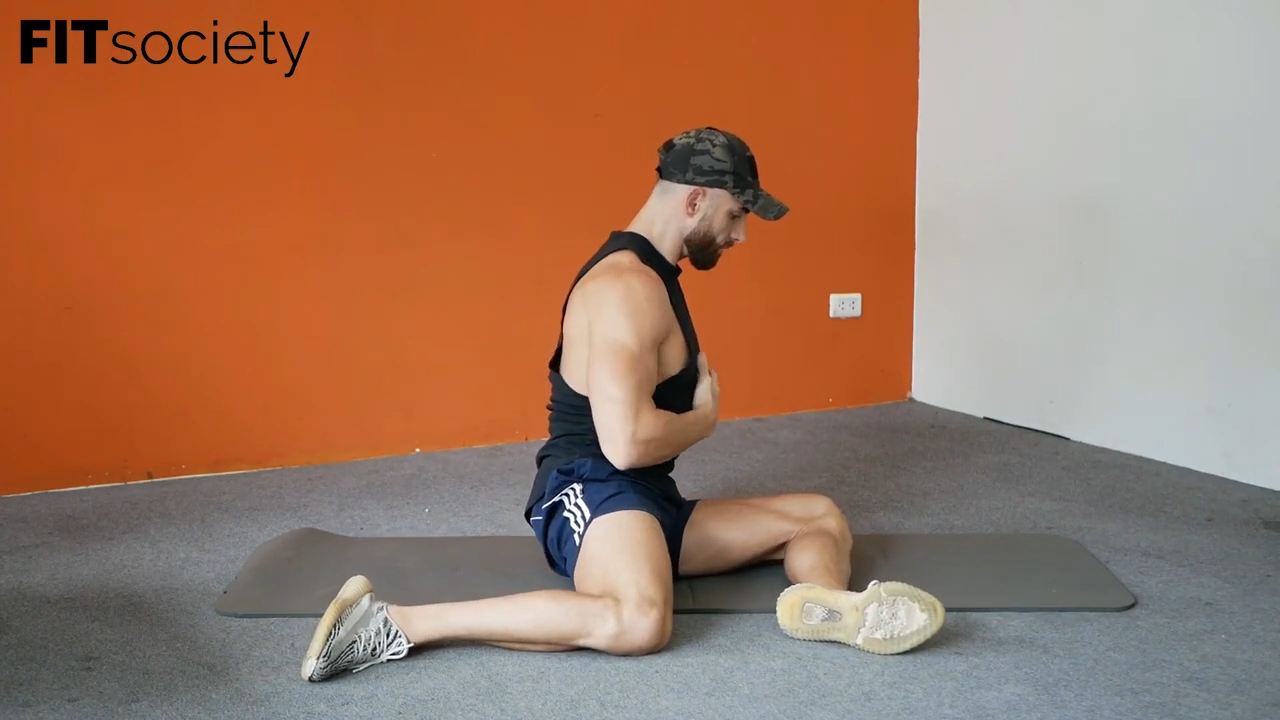
Sit on the floor with a straight back and your legs extended in front of you.
-
2
Bend your right leg and place your right foot on your left thigh, as close to your hip as possible.
-
3
Then bend your left leg and place your left foot on your right thigh.
-
4
Make sure your heels are as close to your abdomen as possible and your knees point toward the floor as low as possible.
-
5
Place your hands on your knees with your palms facing upward, in a receptive position or in a mudra of your choice.
-
6
Breathe deeply in and out, and try to focus your mind on the present moment.
Benefits
- Improves hip flexibility and joint mobility.
- Stimulates the spine and helps correct posture.
- Promotes inner peace and reduces stress through its meditative aspects.
- Strengthens the core and improves concentration.
Common Mistakes
- ! Trying to get into the position too quickly, which can lead to injuries. Take your time getting into the pose.
- ! Failing to keep your back straight, which can reduce the benefits of the exercise.
- ! Applying too much pressure to the knees. If you feel pain, stop and try a less intense variation.
Primary Muscles
The Lotus exercise primarily targets the hip openers, pelvic floor, spine, and abdominal muscles. It also helps strengthen the shoulders and neck through the upright sitting posture.
Possible Alternatives
- If the full Lotus is too challenging, try Half Lotus, with only one foot resting on the opposite thigh.
- For beginners, simply crossing the legs can already help build flexibility and prepare for the full Lotus.
- Use cushions or folded blankets under your knees for extra support and comfort.
Run your fitness business with more structure
- Planning, member management and coaching in one platform
- Built for coaches, studios and gyms
- Fewer separate tools, more overview