Sumo Barbell Deadlift
The Sumo Deadlift is a variation of the traditional deadlift in which you use a wider stance. This technique places more emphasis on your inner thighs, hips, and lower back, making it an excellent exercise for building strength and stability in these areas.
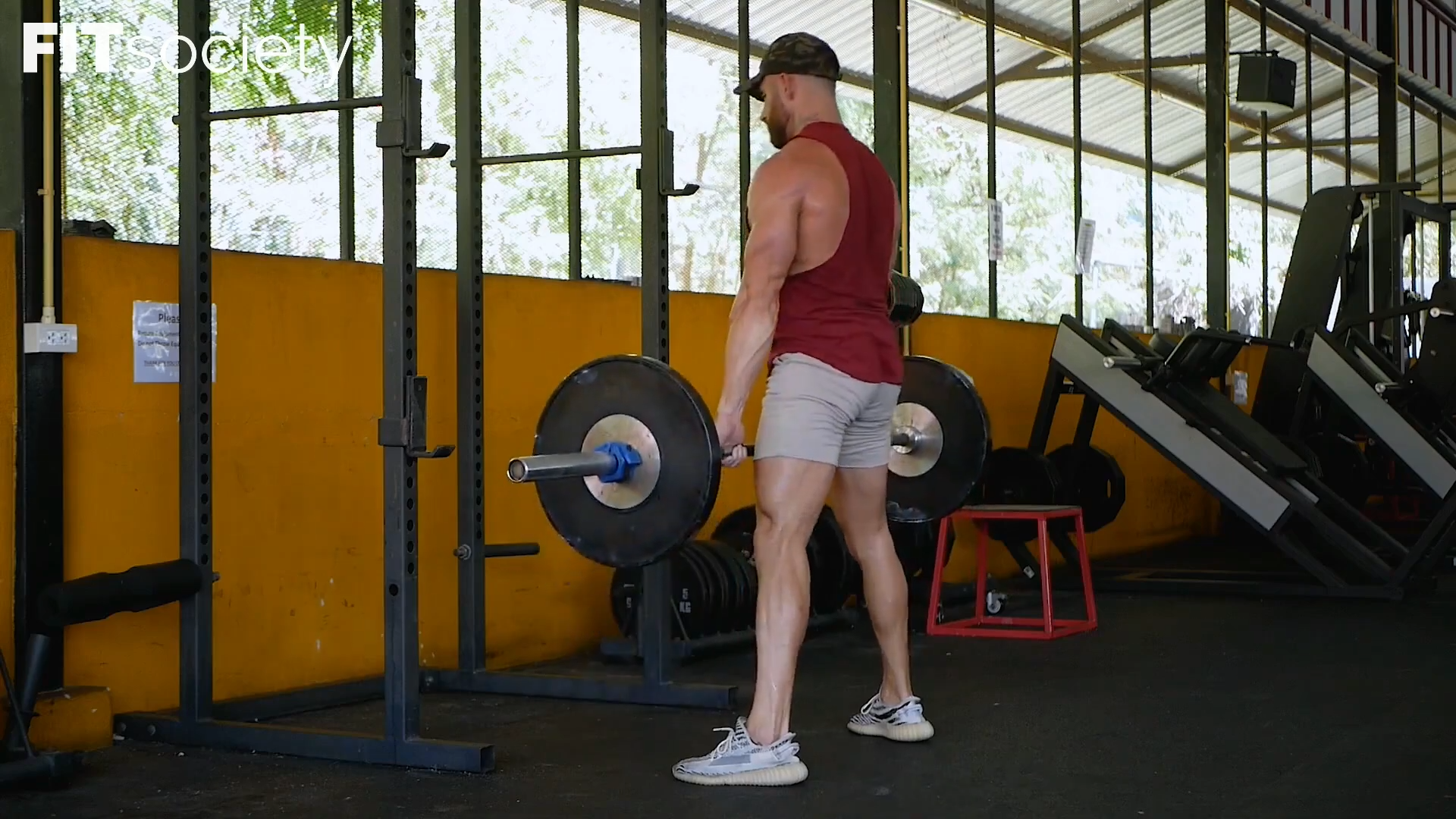
Execution
-
1
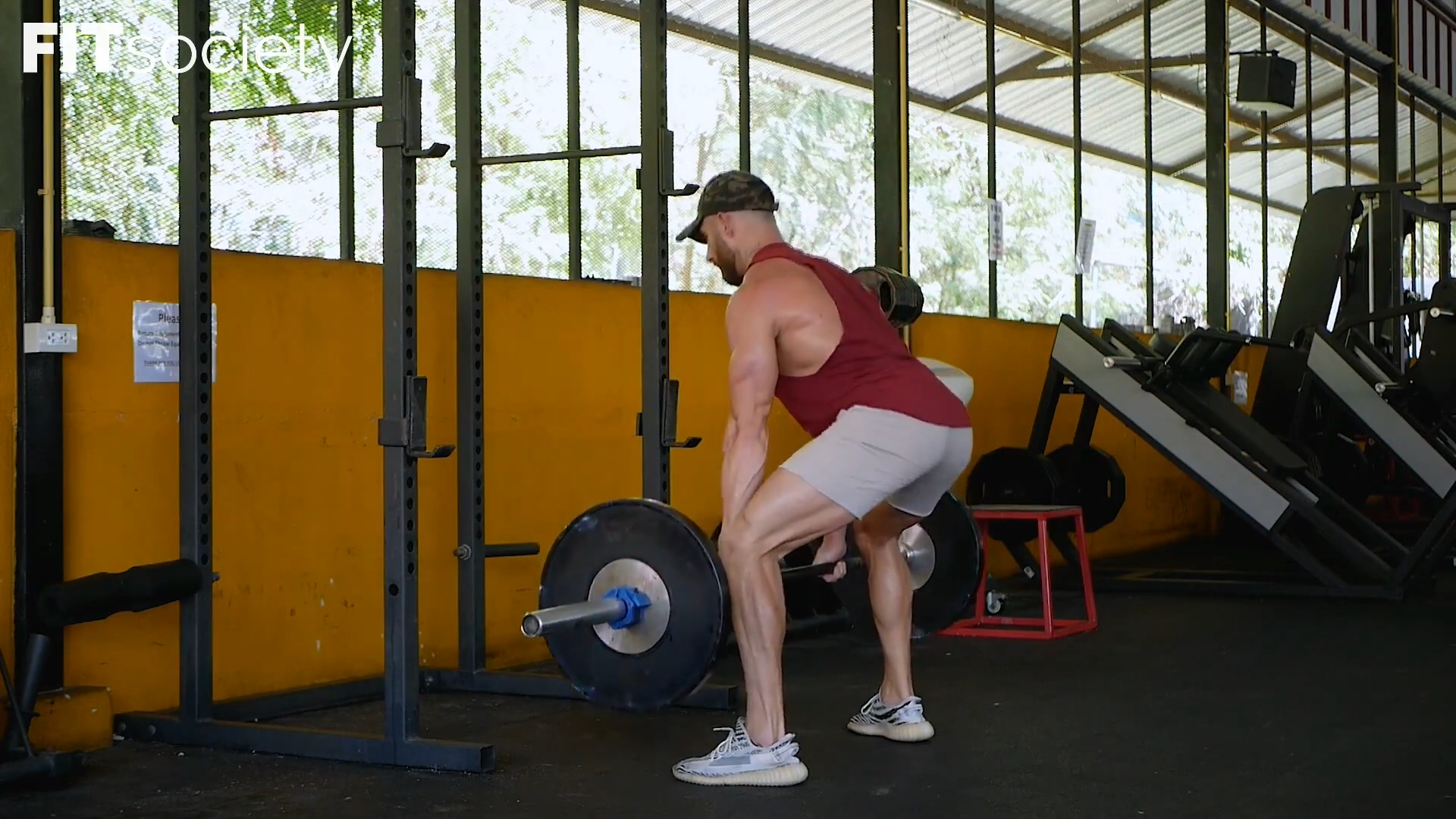
Begin by placing the barbell on the floor. Stand with your feet wider than shoulder-width apart, with your toes pointed slightly outward.
-
2
Bend at your hips and knees and grasp the barbell with both hands, using a grip slightly narrower than shoulder-width.
-
3
Keep your back straight and chest up, and lift the barbell by extending your hips and knees simultaneously.
-
4
Once the barbell passes your knees, push your hips forward and pull your shoulders back.
-
5
Lower the barbell back to the starting position under control.
Benefits
- Improves the strength and stability of the lower-body muscles.
- Helps develop better posture and balance.
- May help reduce the risk of injury by strengthening the lower back and hips.
Common Mistakes
- ! Rounded back: Make sure your back stays straight throughout the entire movement to prevent injuries.
- ! Grip too narrow: A grip that is too narrow can lead to imbalance and inefficient force transfer.
- ! Lowering too quickly: Lowering the barbell too quickly can lead to loss of control and injuries.
Primary Muscles
The primary muscles trained with the Sumo Deadlift are the quadriceps, hamstrings, gluteus maximus, lower back, and adductors.
Possible Alternatives
- Sumo Deadlift with kettlebells for a different grip and weight distribution.
- Sumo Deadlift with a trap bar to reduce the load on the lower back.
- Deficit Sumo Deadlift by placing the barbell on blocks for a greater range of motion.
Run your fitness business with more structure
- Planning, member management and coaching in one platform
- Built for coaches, studios and gyms
- Fewer separate tools, more overview