Barbell One-Leg Hip Thrust
The Barbell One-Leg Hip Thrust is a powerful exercise aimed at strengthening your glutes and hamstrings. This exercise offers a unique challenge because it requires balance and stability while using one leg to perform the movement.
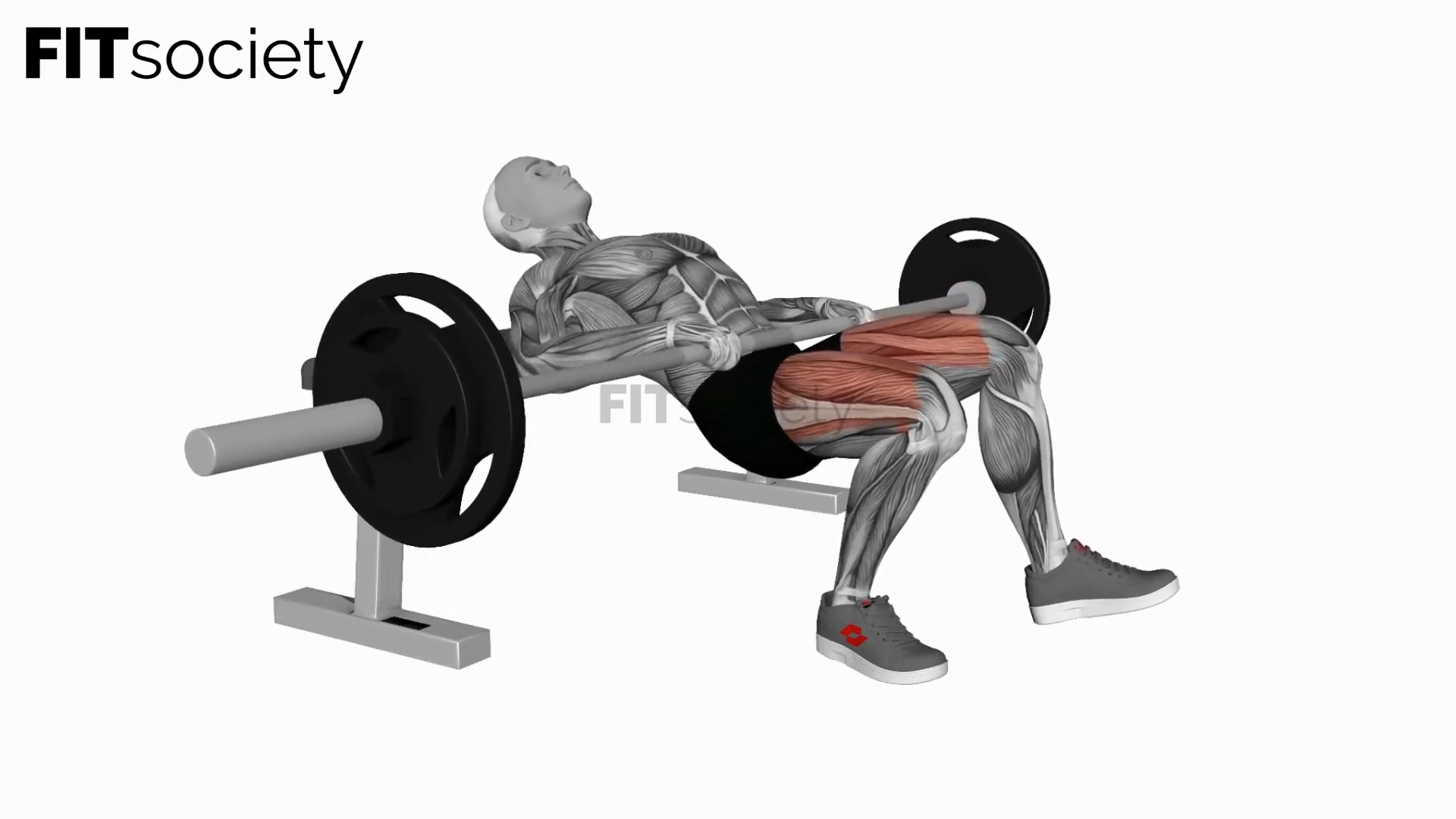
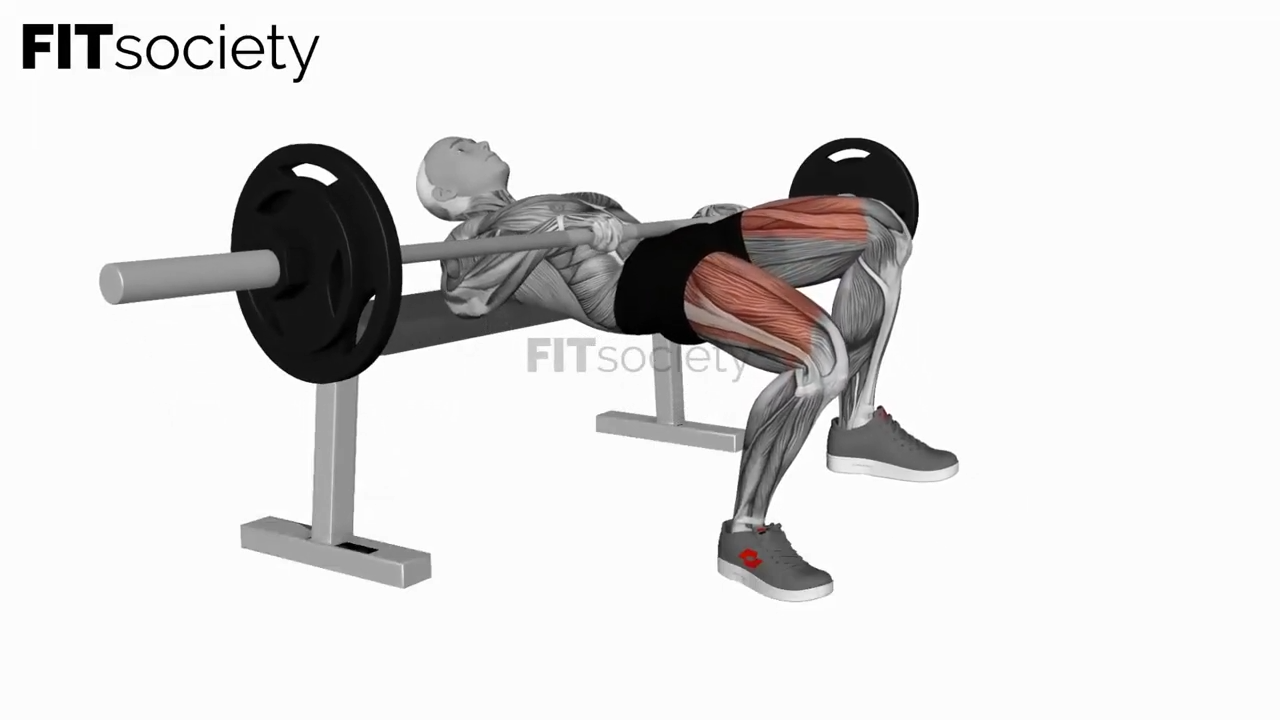
Execution
-
1
Find a flat bench and place a barbell on the floor in front of you.
-
2
Sit on the floor with your upper back against the bench, your knees bent, and your feet flat on the floor.
-
3
Place a barbell across your hips and hold it in place with both hands.
-
4
Lift one foot off the floor, extend the leg, and keep it in the air throughout the exercise.
-
5
Drive through your foot on the floor to push your hips upward while squeezing your glutes.
-
6
Slowly lower back to the starting position and repeat for the desired number of repetitions before switching legs.
Benefits
- Improves glute strength and stability.
- Helps improve balance and coordination.
- May contribute to better posture and reduced back pain.
- Isolating each leg promotes balanced muscle development.
Common Mistakes
- ! Not fully extending the hips at the top of the movement.
- ! Using too much weight, causing form to break down.
- ! Allowing the elevated leg to lower during the exercise.
Key Muscles
This exercise primarily targets the gluteus maximus (largest glute muscle), but it also trains the hamstrings and lower back.
Possible Alternatives
- If the barbell is too challenging, first try the movement without weight or with a resistance band.
- For an extra challenge, add ankle weights to the elevated leg.
- The Single-Leg Glute Bridge is a good alternative if you do not have access to a barbell or bench.
Run your fitness business with more structure
- Planning, member management and coaching in one platform
- Built for coaches, studios and gyms
- Fewer separate tools, more overview