Swiss Ball Push-Ups
The Swiss Ball Push-Up is a dynamic exercise that takes the traditional push-up to the next level by adding an unstable surface. This not only provides a more intense workout for the chest muscles, but also improves your balance and coordination.
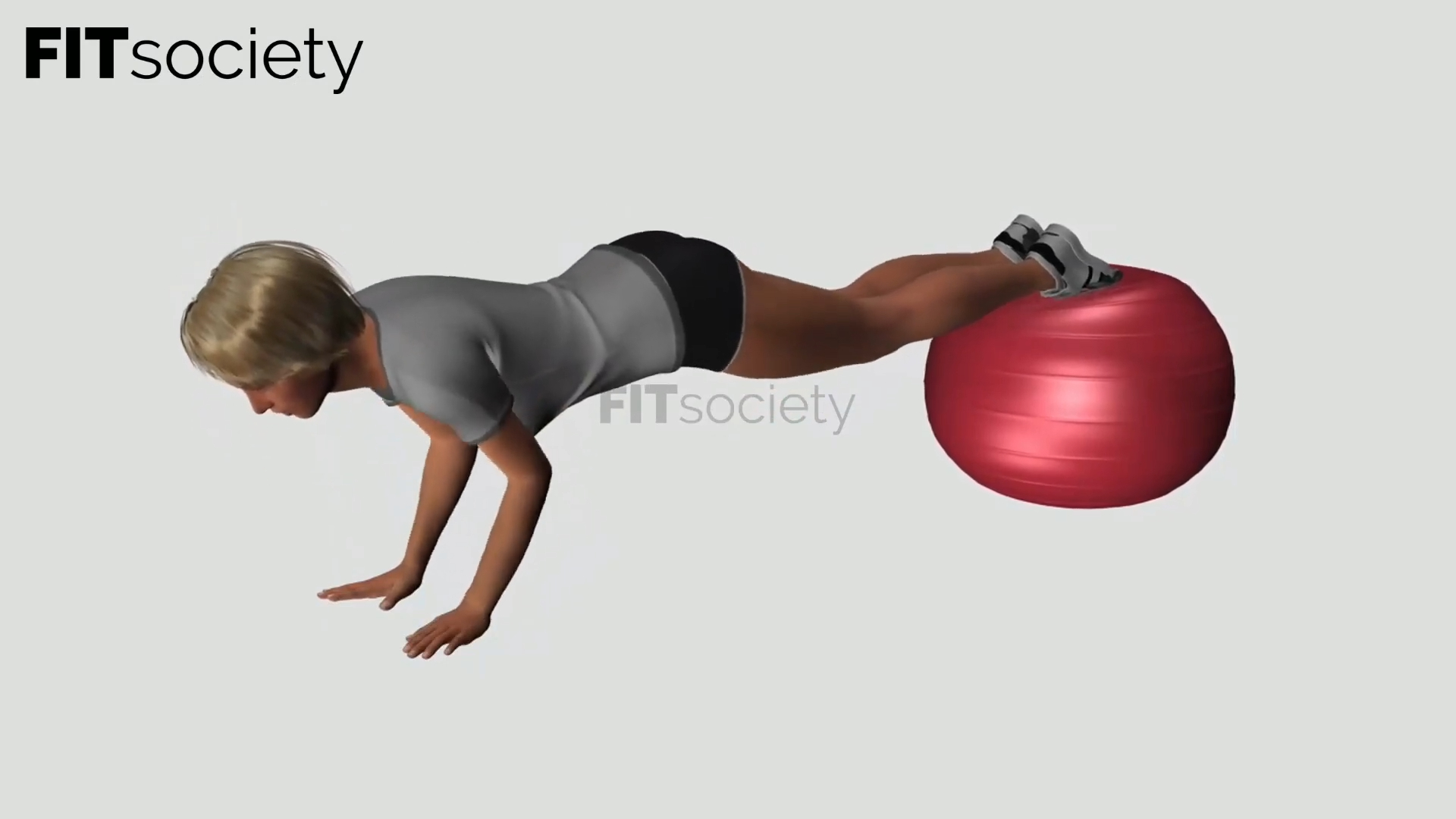
Execution
-
1
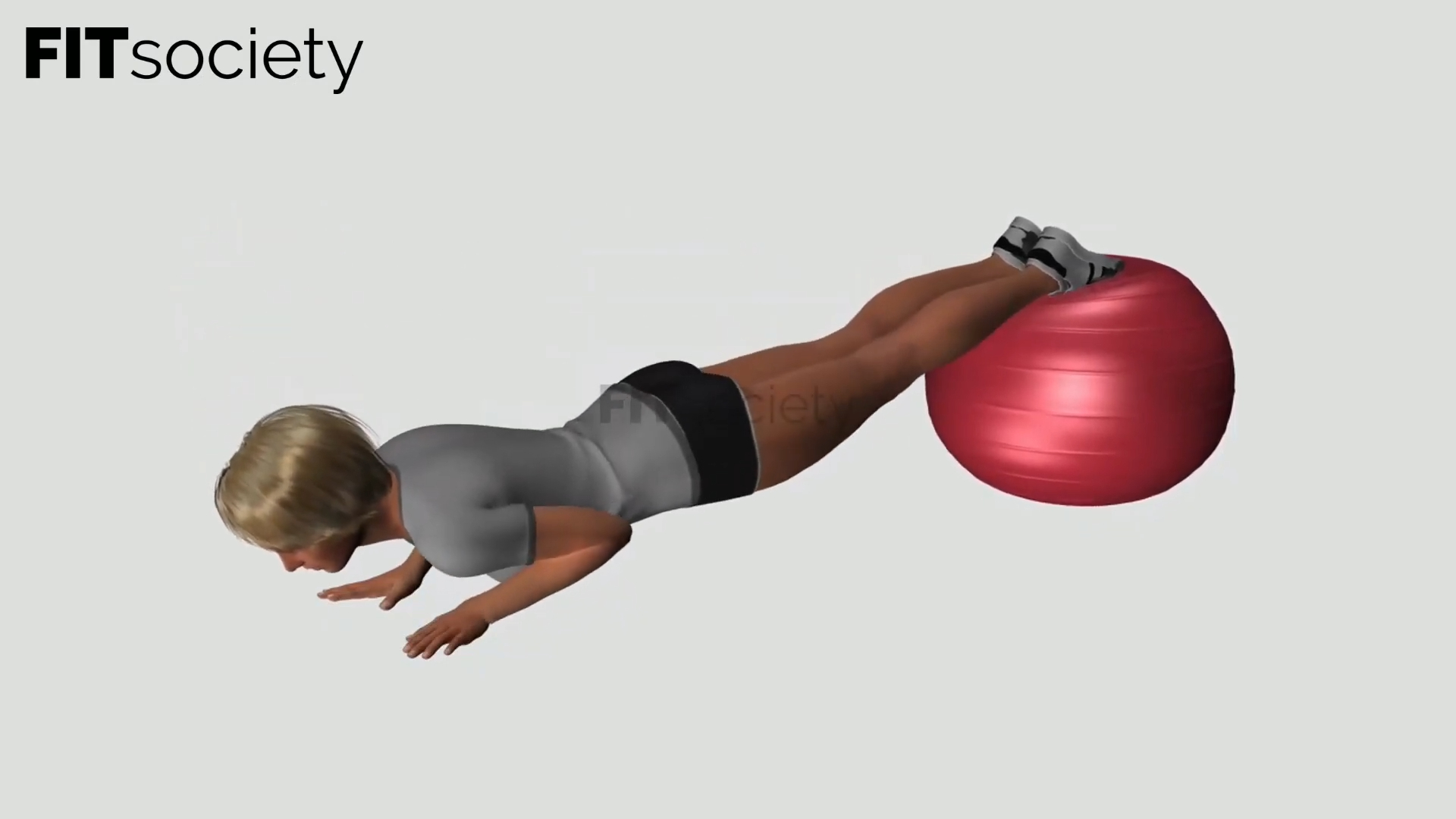
Begin by placing your hands on a Swiss ball, slightly wider than shoulder-width apart.
-
2
Extend your legs backward so that you are in a plank position, with your toes firmly on the floor.
-
3
Make sure your body forms a straight line from your head to your heels.
-
4
Slowly lower your body by bending your elbows until your chest nearly touches the ball.
-
5
Then press yourself powerfully back up to the starting position.
Benefits
- Improves stability and balance through the use of an unstable surface.
- Increases core muscle activation compared with a standard push-up.
- Provides a greater challenge for the upper-body muscles.
Common Mistakes
- ! Allowing the hips to sag, which leads to unnecessary strain on the lower back.
- ! Performing the exercise too quickly, which can lead to a loss of control and less effective muscle activation.
- ! Not fully extending the arms in the top position.
Primary Muscles
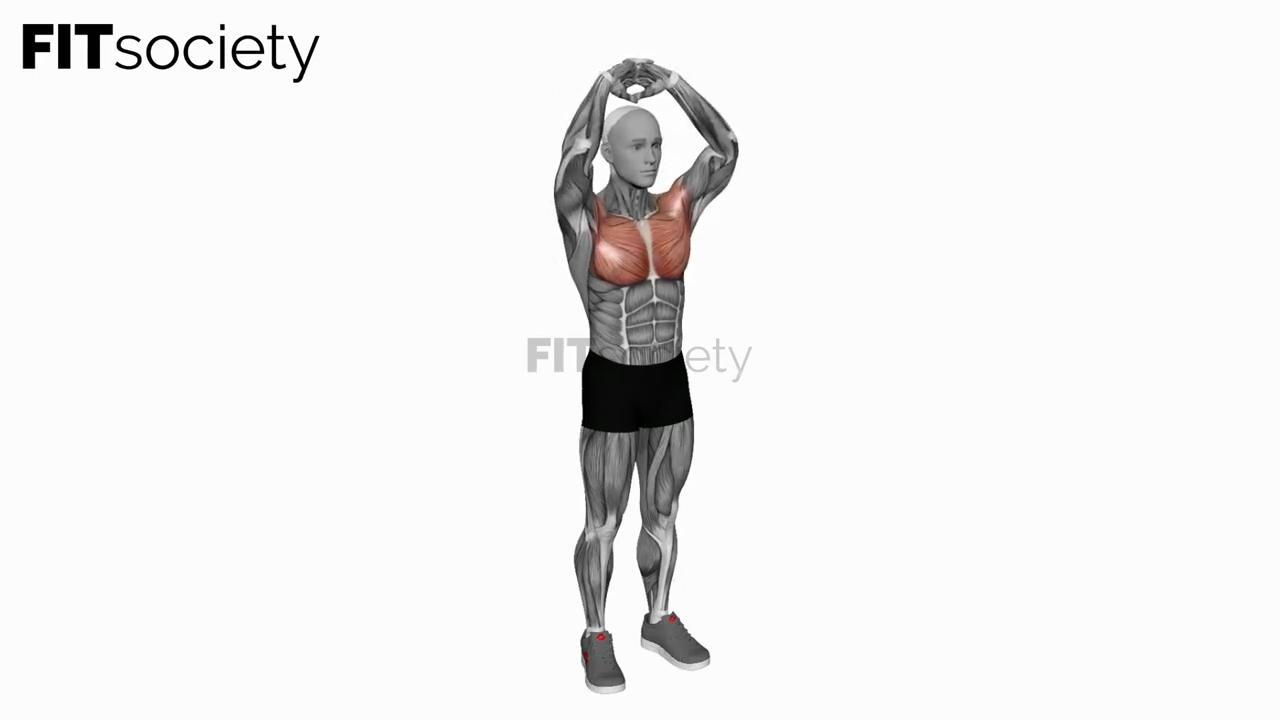
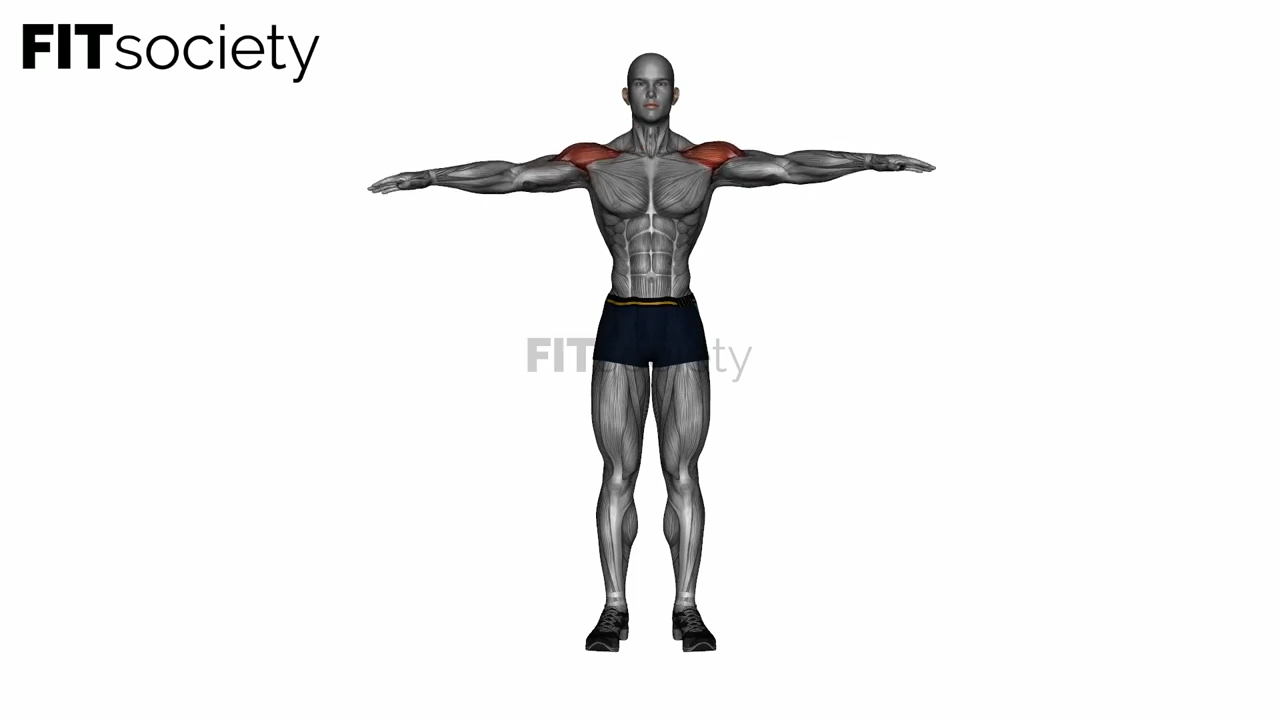
This exercise primarily targets the chest muscles (pectoralis major), but also trains the triceps, shoulders (deltoids), and core for stability.
Possible Alternatives
- For beginners: Perform the push-ups with your knees on the floor to reduce the intensity.
- For an extra challenge: Place your feet on an elevated surface while keeping your hands on the Swiss ball.
- Vary the position of your hands on the ball to emphasize different parts of the chest muscles and triceps.
Run your fitness business with more structure
- Planning, member management and coaching in one platform
- Built for coaches, studios and gyms
- Fewer separate tools, more overview