Machine Fly
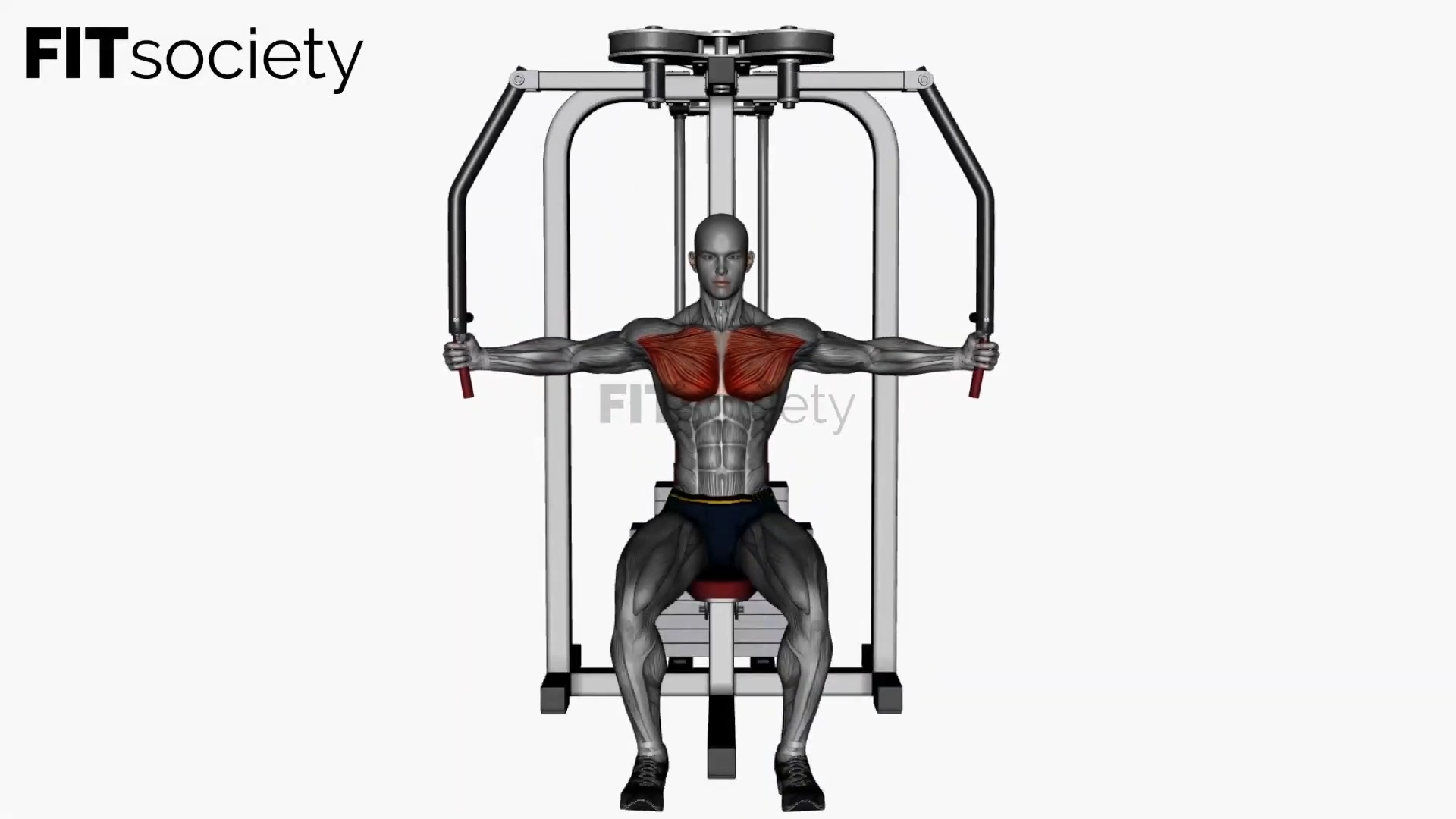
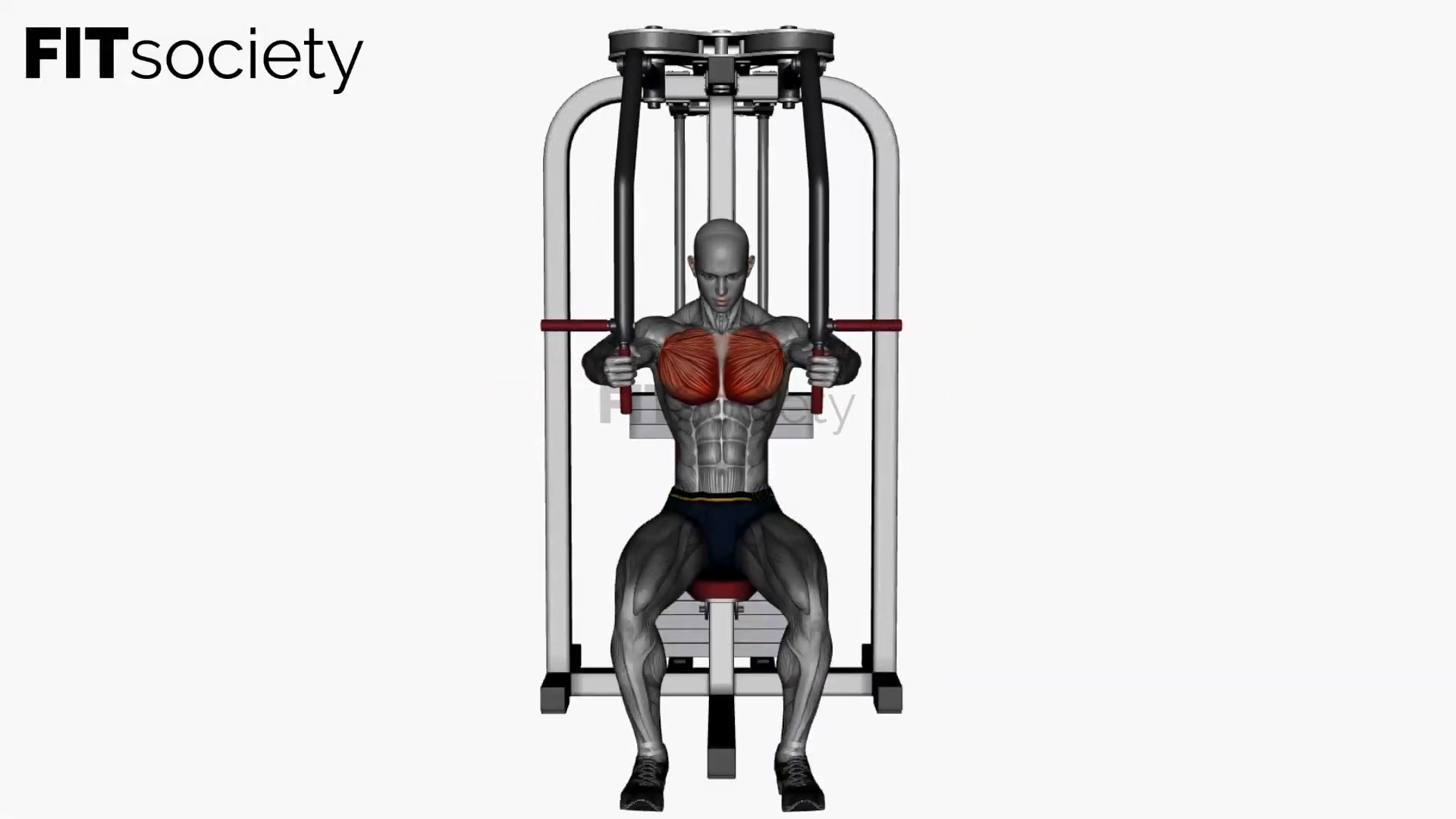
The Machine Fly is a popular exercise that targets the chest muscles. The unique benefit of this exercise is that it provides a controlled movement, allowing you to effectively isolate and strengthen your muscles without placing too much stress on your shoulders.
Execution
-
1
Sit on the machine with your back against the backrest and grasp the handles.
-
2
Make sure your elbows are slightly bent and your hands are at chest height.
-
3
Inhale and slowly bring your arms together, as if hugging someone.
-
4
Keep the movement controlled and ensure that your muscles remain tense throughout.
-
5
Exhale as you bring your arms together.
-
6
Slowly return your arms to the starting position while inhaling.
-
7
Repeat for the desired number of repetitions.
Benefits
- Isolation of the chest muscles for effective muscle building.
- Reduced risk of shoulder injuries compared with free weights.
- Ability to focus on symmetry and balance between both sides of the chest.
Common Mistakes
- ! Performing the movement too quickly: use a controlled movement to train the muscles effectively.
- ! Going too far back: this can place unnecessary stress on the shoulders.
- ! Bending the elbows too much: maintain a slight bend to keep the focus on the chest muscles.
Primary Muscles
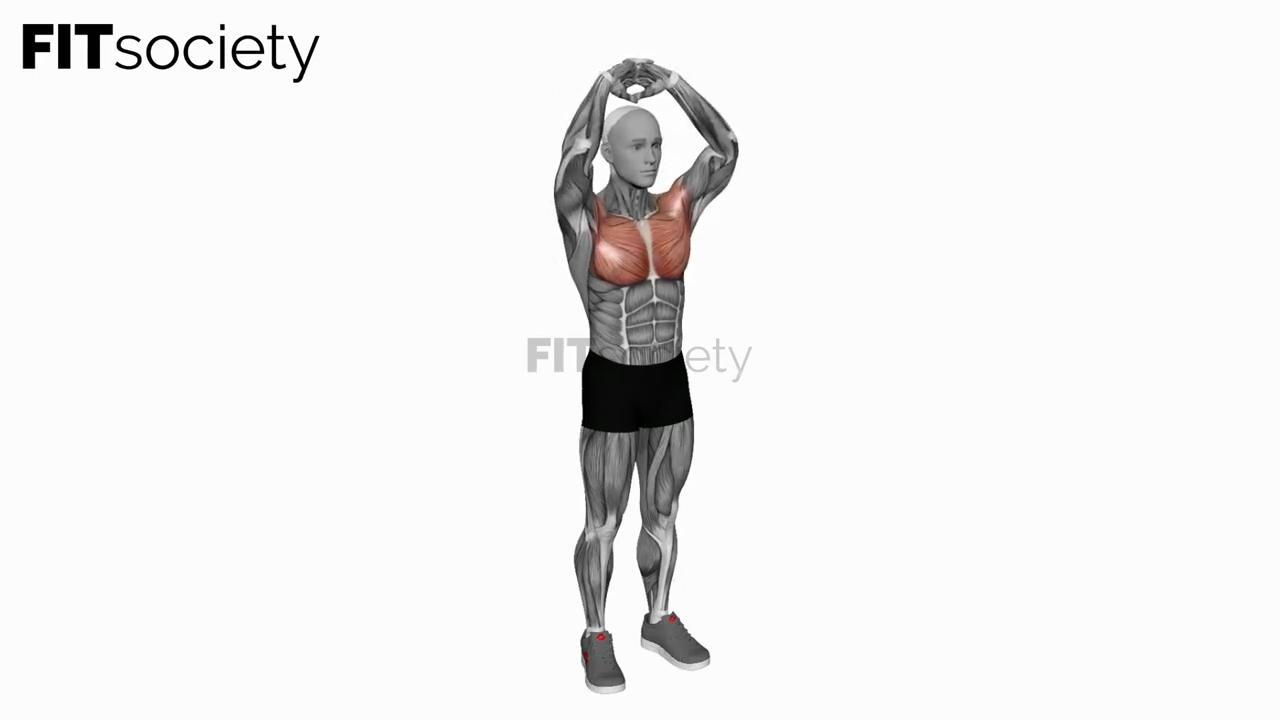
The Machine Fly primarily targets the pectoralis major and, to a lesser extent, the deltoids and triceps.
Possible Alternatives
- Change the grip: some machines offer different handles for variation in the exercise.
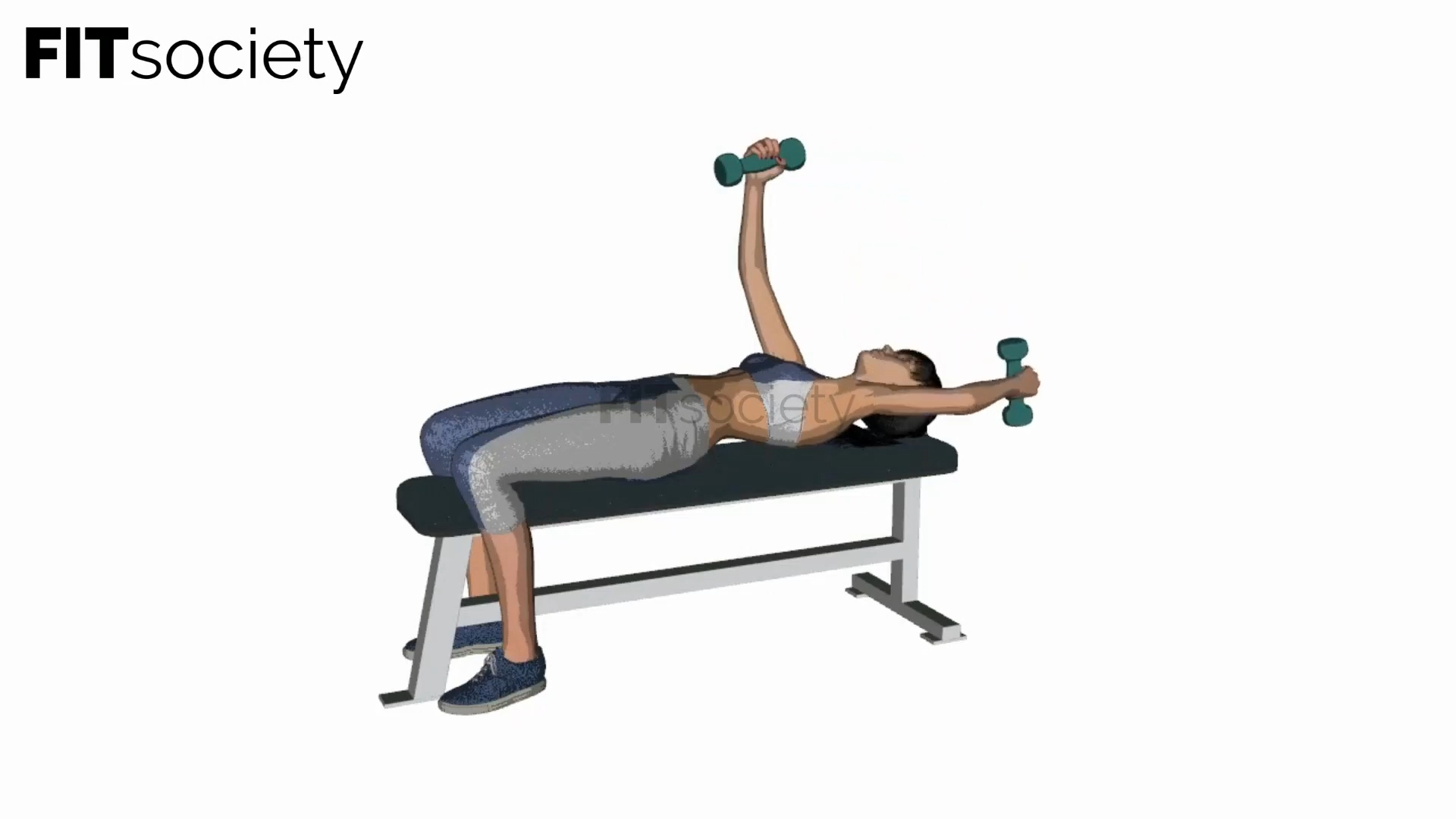
- Use dumbbells for a fly on a flat bench: this requires more muscle stabilization.
- Cable Fly: offers a different angle and resistance pattern, which can help further develop the chest muscles.
Run your fitness business with more structure
- Planning, member management and coaching in one platform
- Built for coaches, studios and gyms
- Fewer separate tools, more overview