Dumbbell Pullover
The Dumbbell Pullover is a versatile exercise that targets the development of the chest and back muscles. What makes this exercise unique is that it works both the chest and upper back in one movement, allowing you to perform an efficient workout.
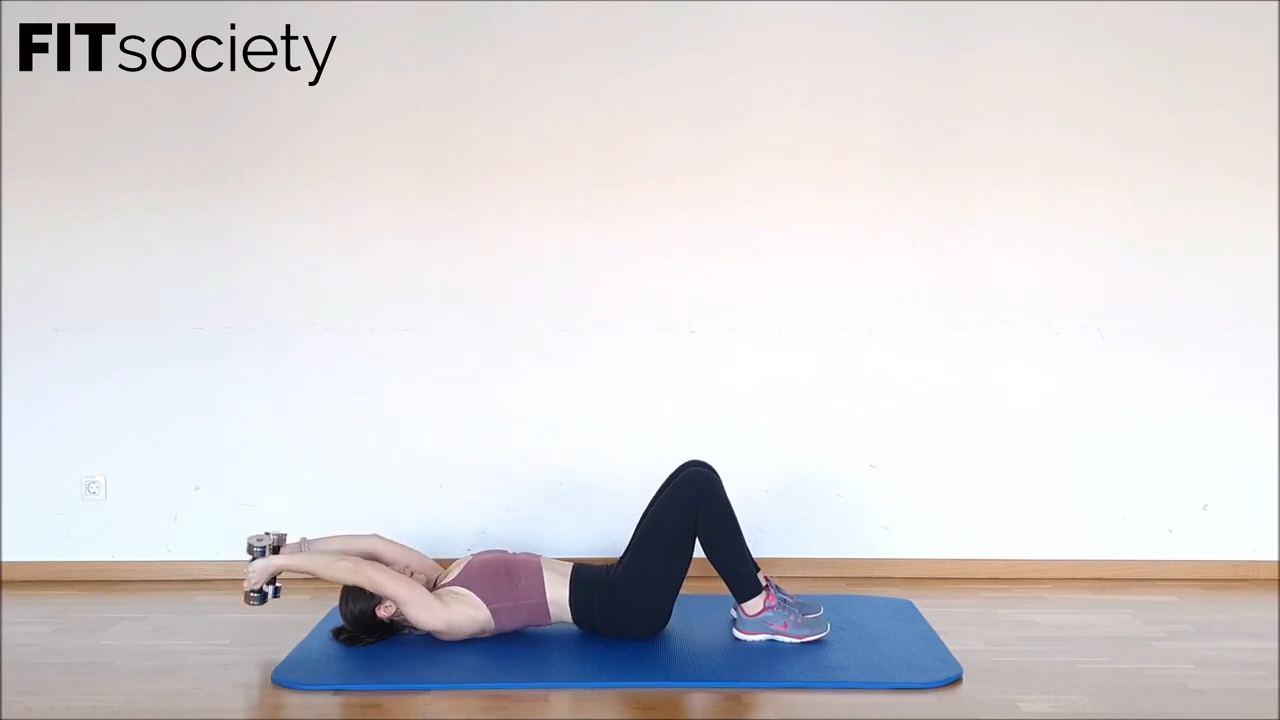
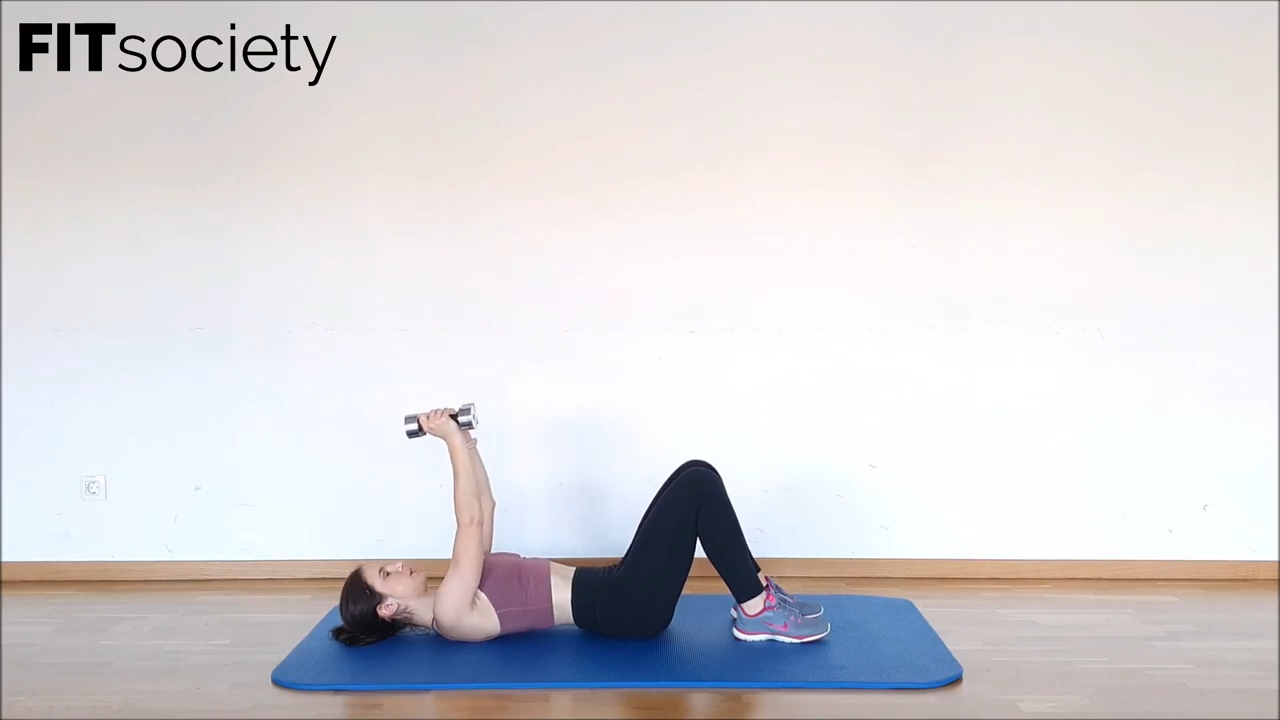
Execution
-
1
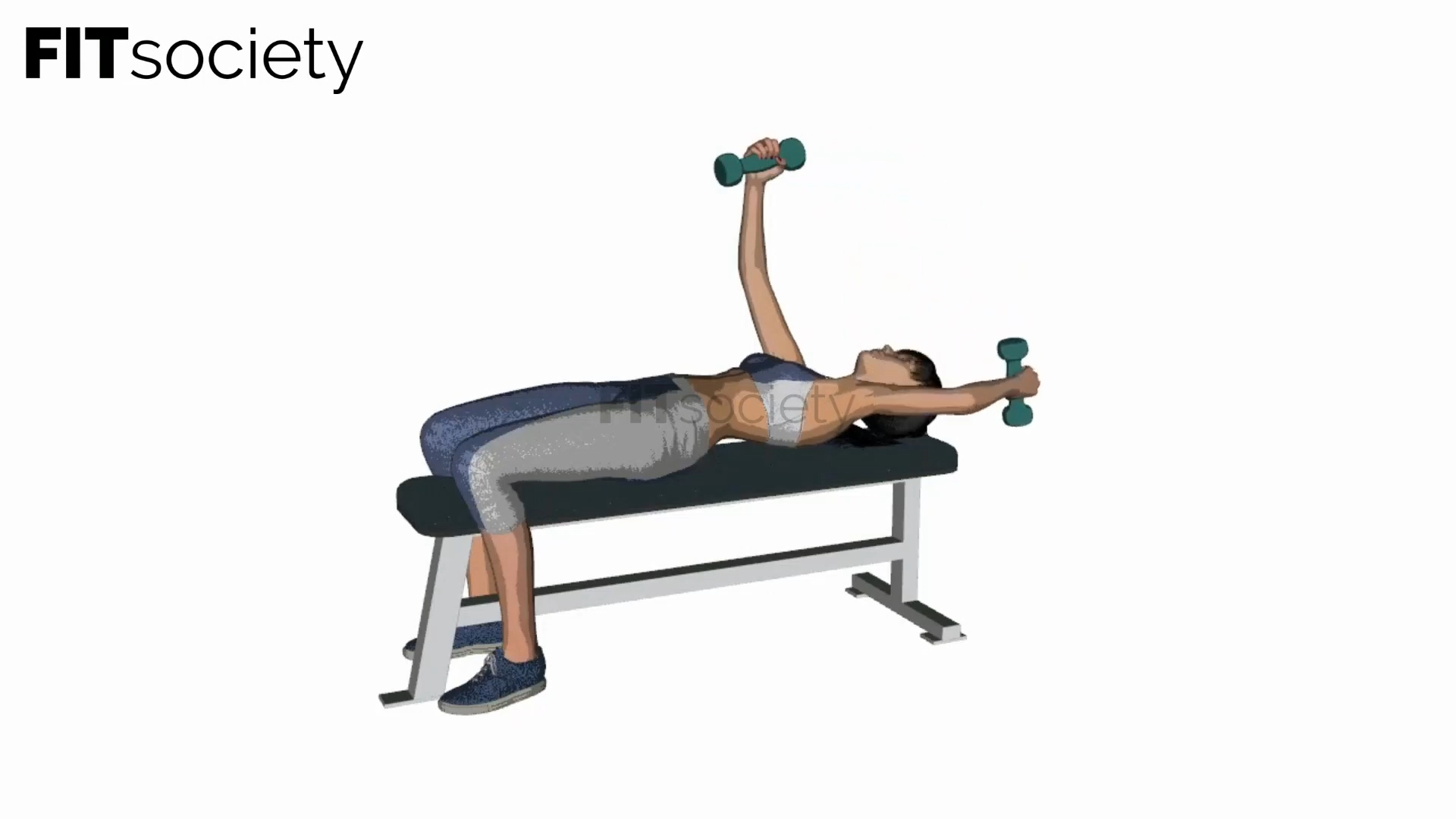
Lie on your back on a flat bench with a dumbbell in both hands above your chest. Hold the dumbbell with both hands underneath the top plate, arms extended.
-
2
Inhale and slowly and controlledly lower the dumbbell behind your head while keeping your arms slightly bent.
-
3
Once you feel a good stretch in your chest and back, use the strength of your chest and back muscles to bring the dumbbell back to the starting position.
-
4
Exhale as you move upward.
Benefits
- Improves muscle definition in both the chest and back.
- Helps develop better posture by strengthening the back muscles.
- May contribute to improved shoulder mobility.
Common Mistakes
- ! Lowering or raising the dumbbell too quickly, which can lead to injuries. Use a controlled movement.
- ! Lowering the dumbbell too far behind your head, which places unnecessary stress on the shoulders.
- ! Bending the arms too much during the exercise, which reduces its effectiveness.
Primary Muscles
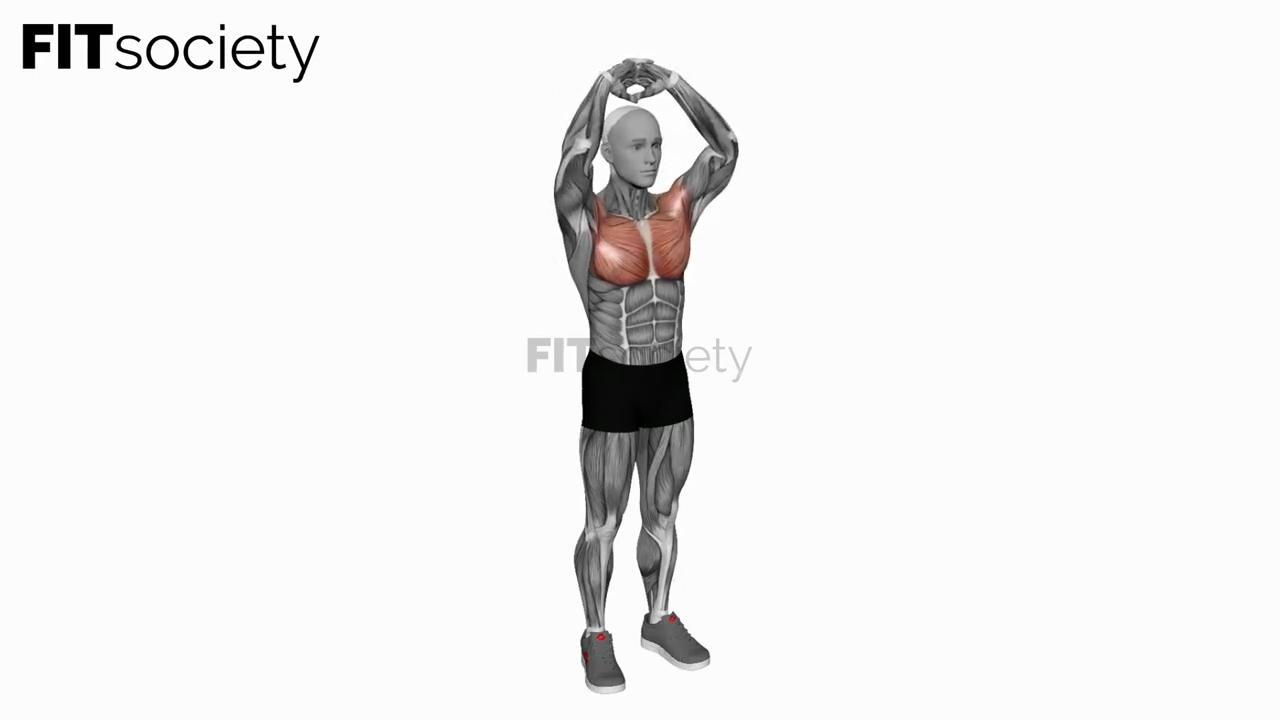
This exercise primarily targets the pectoralis major and latissimus dorsi. The triceps and the muscles around the shoulder blades, the serratus anterior, are also trained.
Possible Alternatives
- Use a barbell instead of a dumbbell for a different grip and intensity.
- Perform the exercise on an incline or decline bench to emphasize different parts of the chest and back.
- If you do not have access to weights, you can use a resistance band for a similar movement.
Run your fitness business with more structure
- Planning, member management and coaching in one platform
- Built for coaches, studios and gyms
- Fewer separate tools, more overview