Dumbbell Lying Chest Fly
The Dumbbell Lying Chest Fly is an effective exercise that targets strengthening and toning your chest muscles. This exercise offers a unique way to work your chest muscles from different angles, leading to more balanced muscle development.
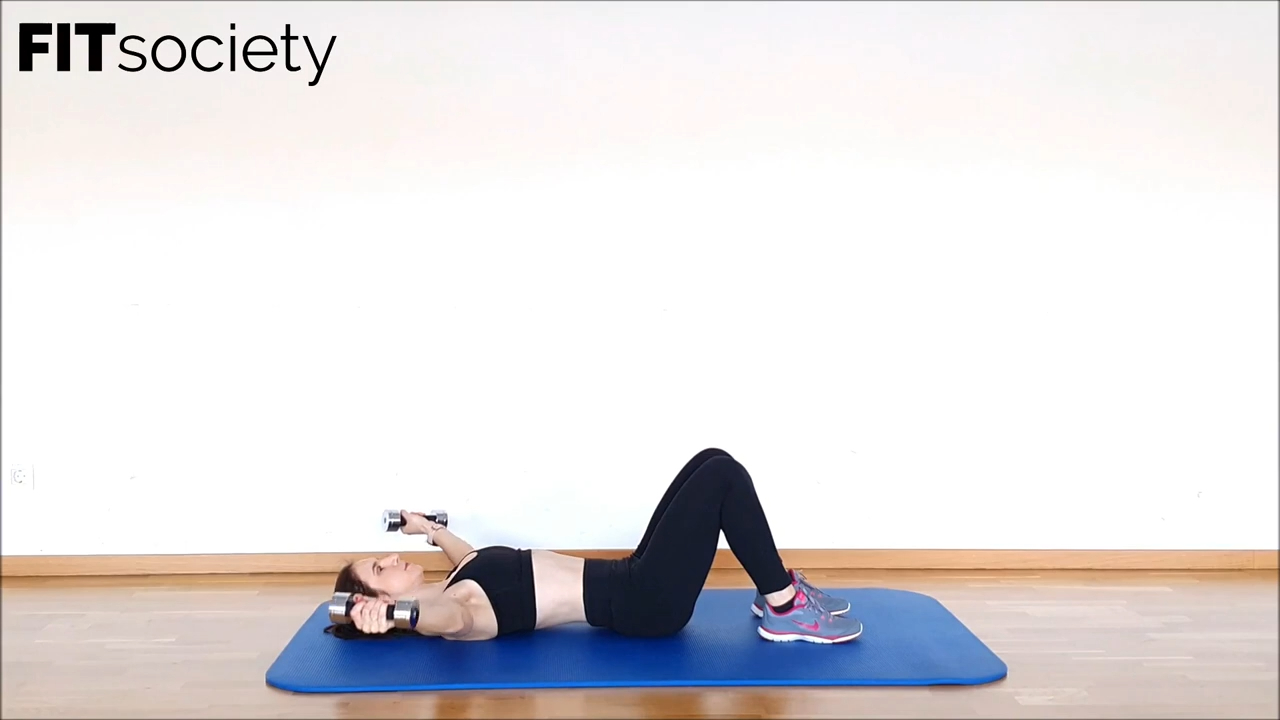
Execution
-
1
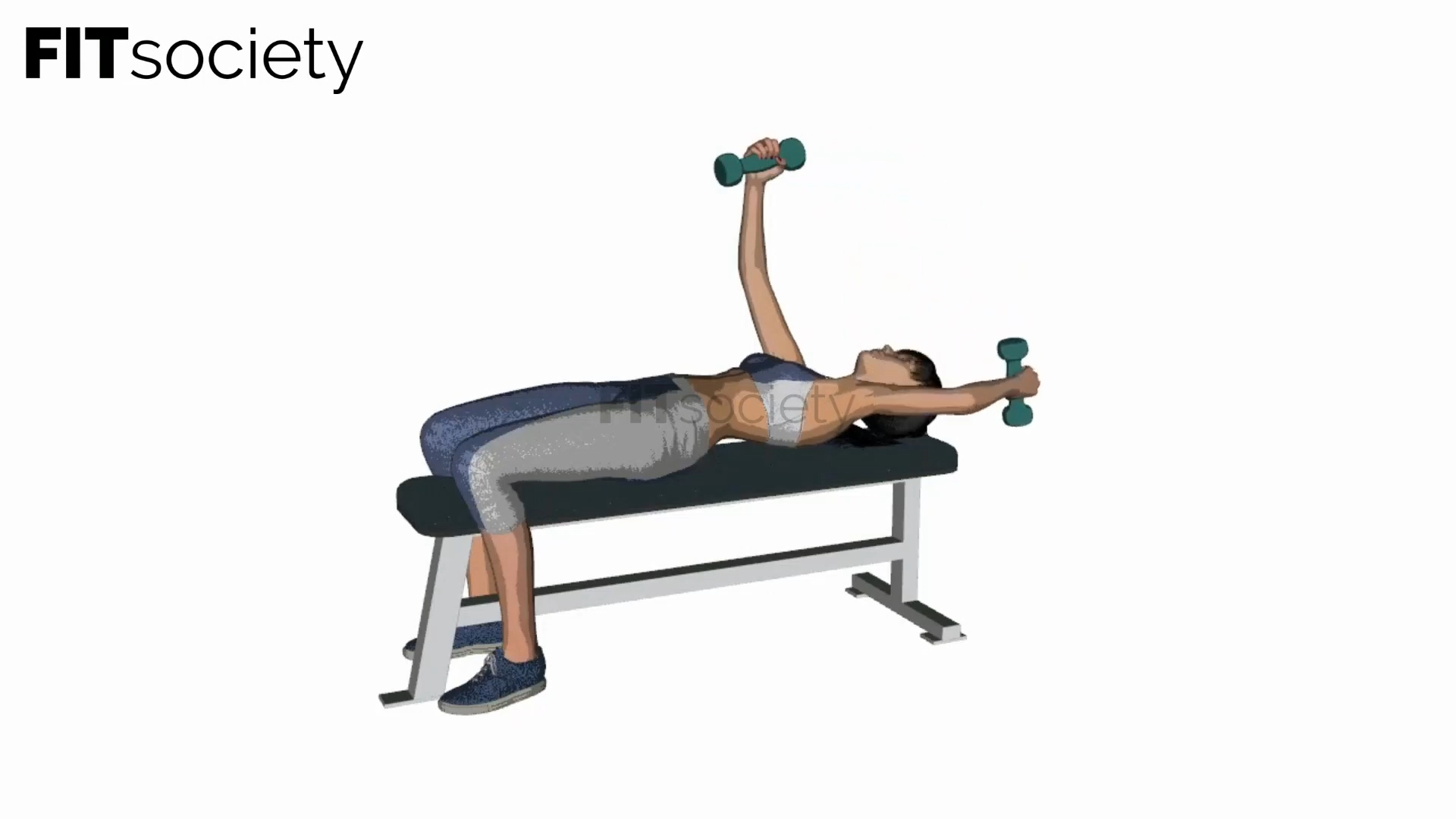
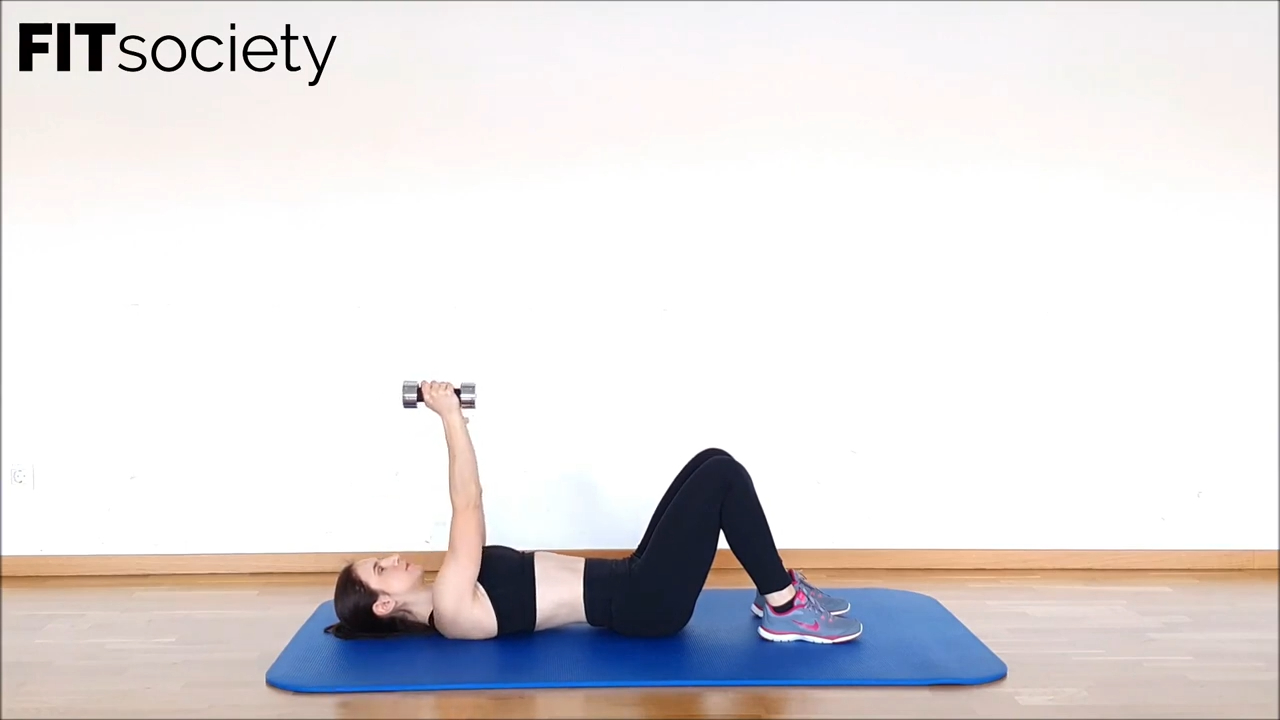
Lie on your back on a flat bench with a dumbbell in each hand. Hold the dumbbells above your chest with your arms slightly bent.
-
2
Inhale and slowly and controllably lower the dumbbells to the sides while moving your arms in a wide arc. Keep your elbows slightly bent.
-
3
Once you feel a good stretch in your chest muscles, use the strength of your chest to bring the dumbbells back to the starting position while exhaling.
-
4
Repeat for the desired number of repetitions.
Benefits
- Improves muscle definition and shape in the chest.
- Helps develop balanced muscle mass across the chest.
- Improves shoulder mobility and flexibility.
Common Mistakes
- ! Lowering the weights too quickly: Use a controlled movement to prevent injuries.
- ! Using weights that are too heavy: This can lead to poor form and a less effective workout.
- ! Bending the elbows too much: Keep your elbows slightly bent but stable to activate the correct muscles.
Main Muscles
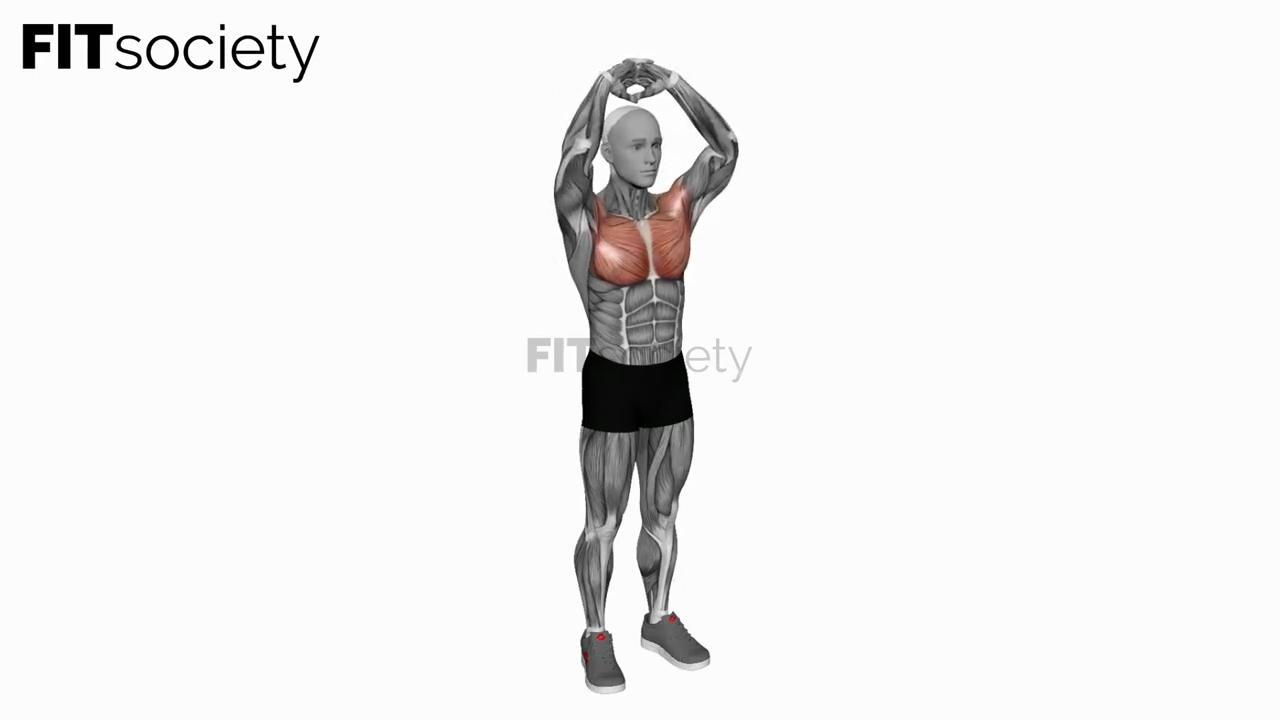
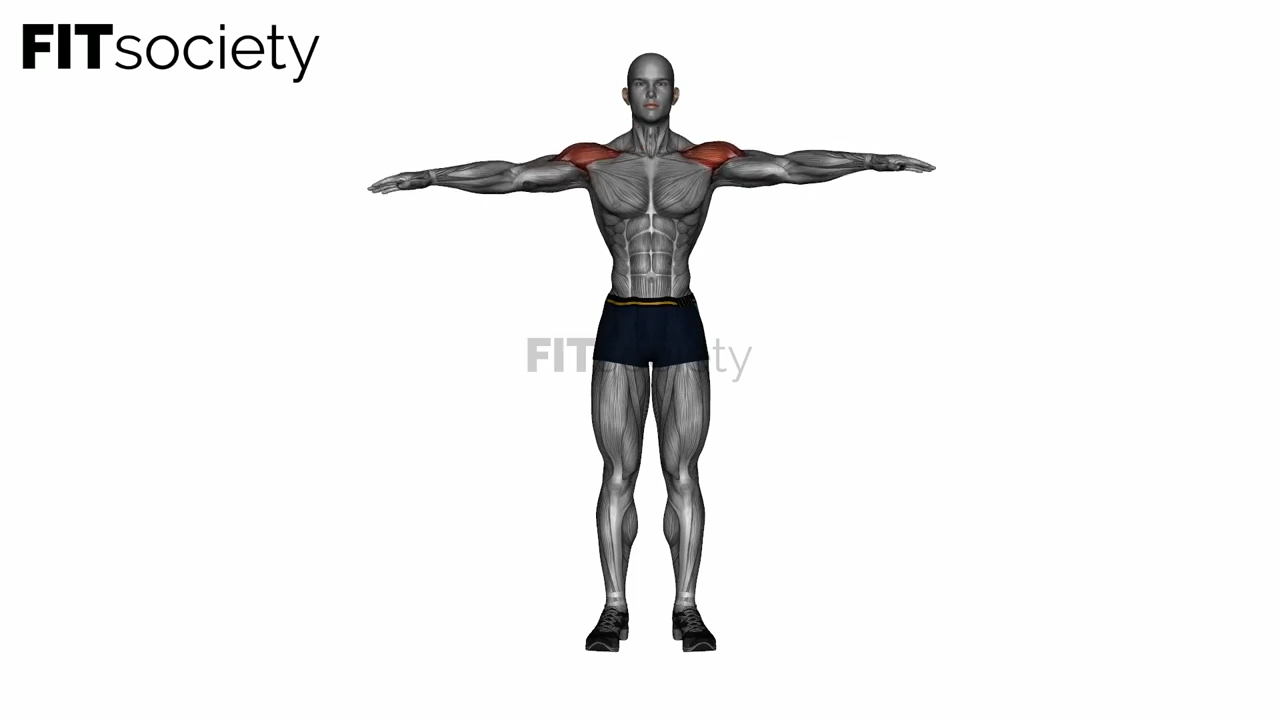
This exercise primarily targets the pectoralis major and, to a lesser extent, the shoulders (deltoids) and triceps.
Possible Alternatives
- Use a resistance band instead of dumbbells for a different form of resistance.
- Perform the exercise on an incline or decline bench to target different areas of the chest muscles.
- If you do not have access to dumbbells, you can perform similar movements with water bottles or other household objects.
Run your fitness business with more structure
- Planning, member management and coaching in one platform
- Built for coaches, studios and gyms
- Fewer separate tools, more overview