Dumbbell Flyes
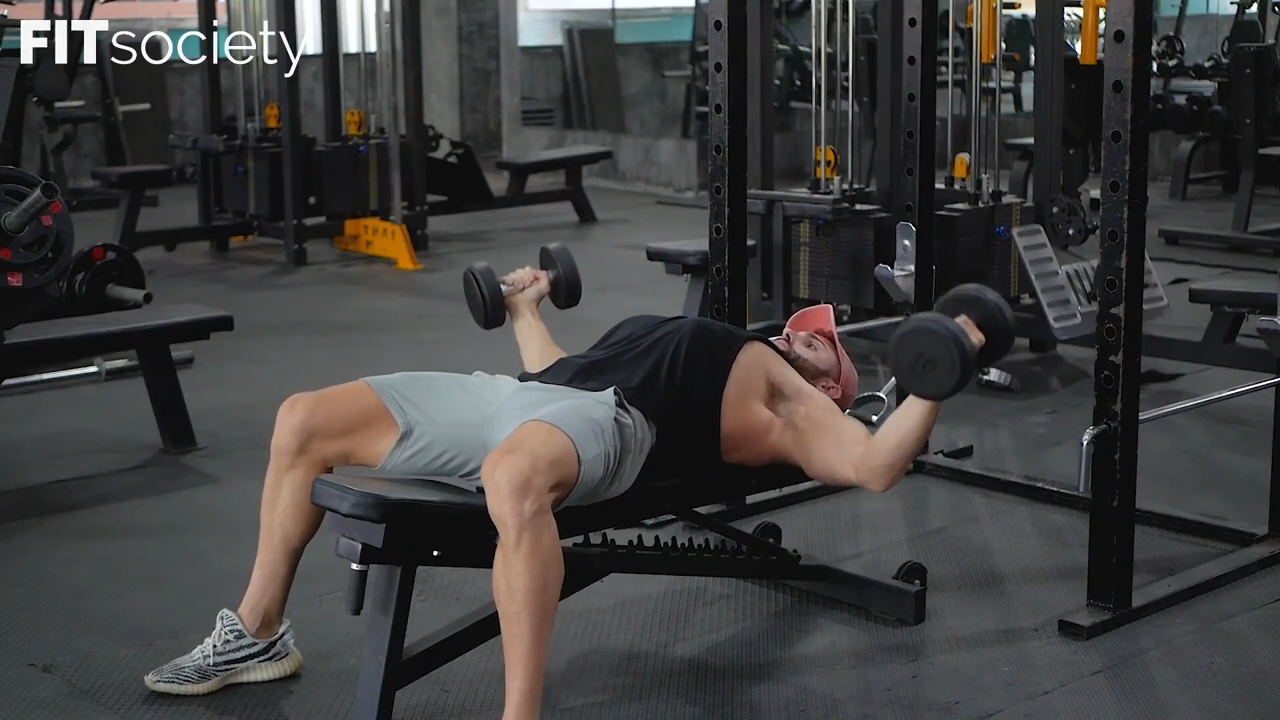
Introduction: Dumbbell Flyes are an effective exercise for isolating and strengthening your chest muscles. This exercise helps develop the width and thickness of the chest muscles and offers a unique way to target the muscles from different angles.
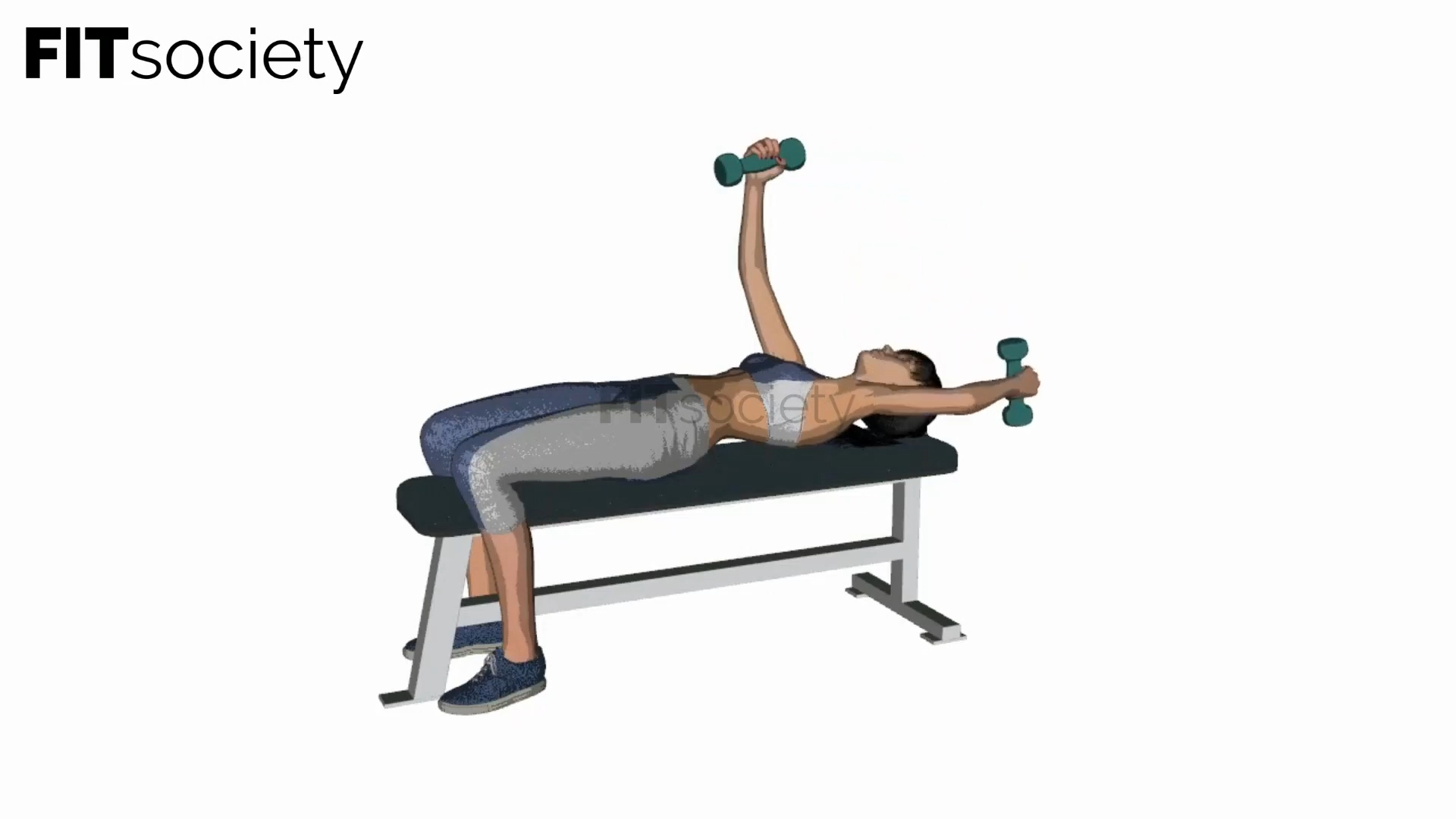
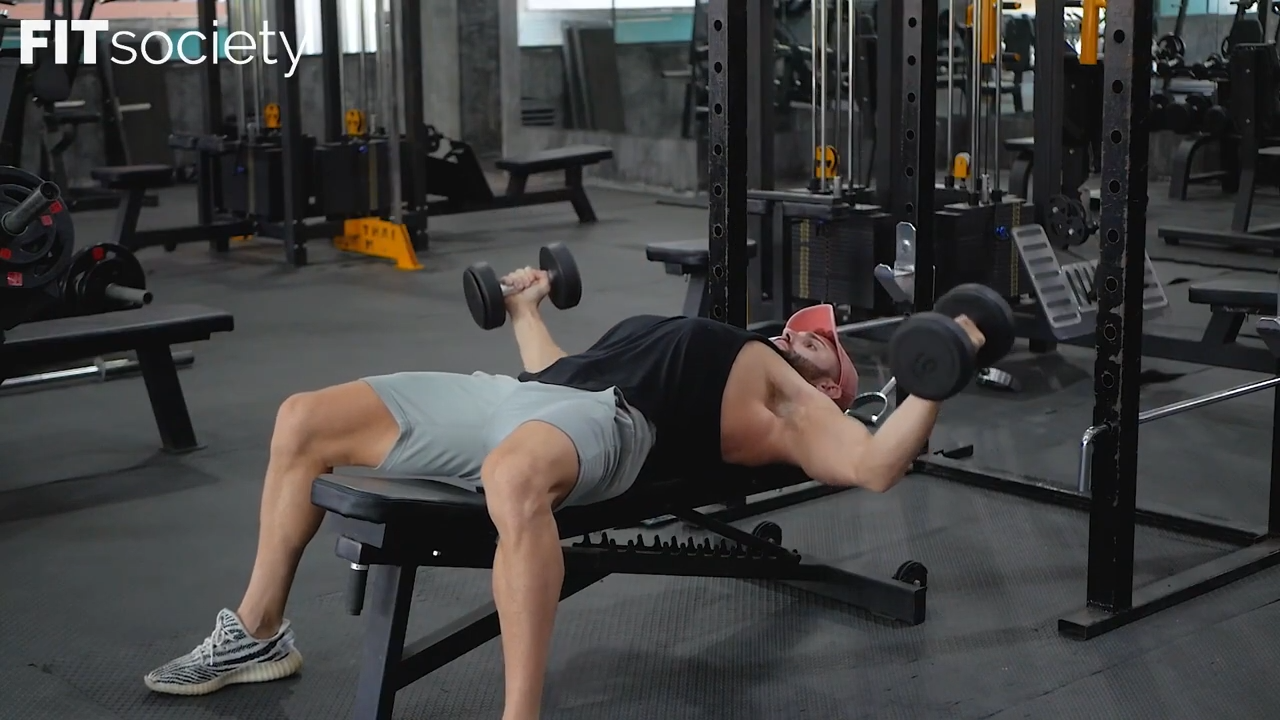
Execution: Begin by selecting a pair of dumbbells that you can lift comfortably. Lie on a flat bench with a dumbbell in each hand. Keep your feet flat on the floor. Press the dumbbells up over your chest with a slight bend in your elbows. This is your starting position. Slowly and under control, lower the dumbbells out to the sides while keeping your elbows slightly bent. Continue until you feel a good stretch in your chest muscles. Then bring the dumbbells back together over your chest using the same arcing motion.
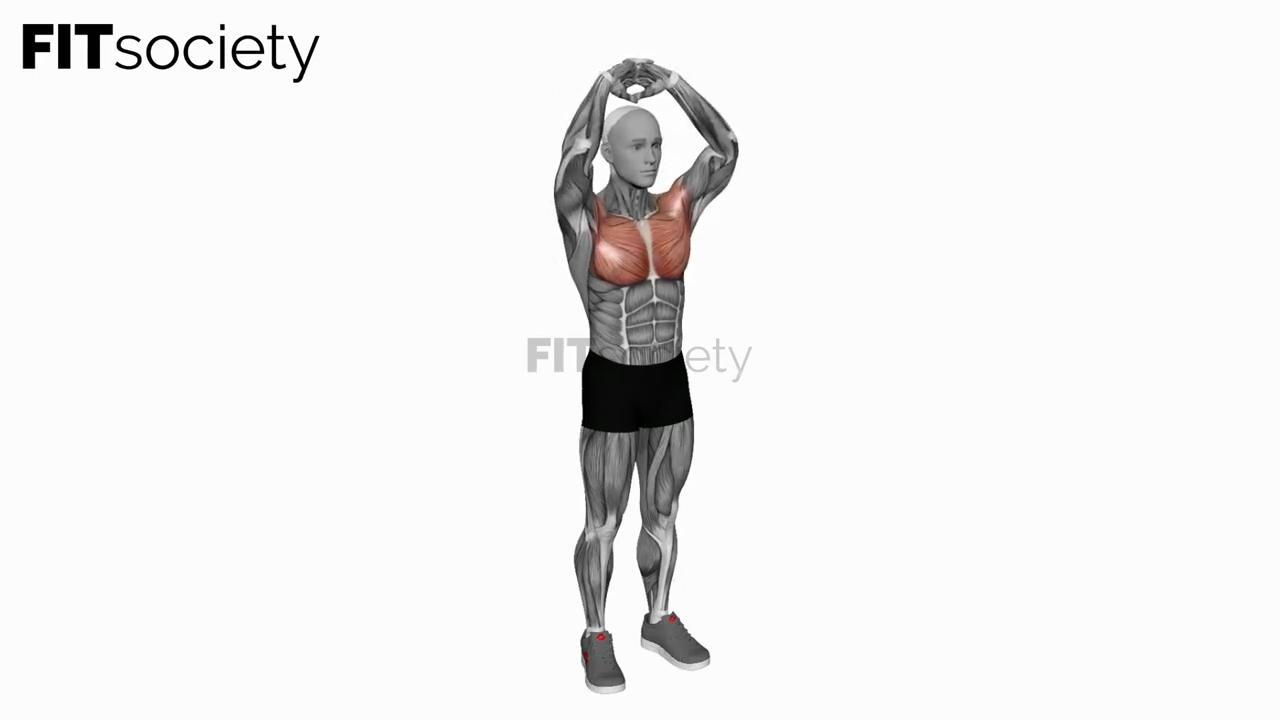
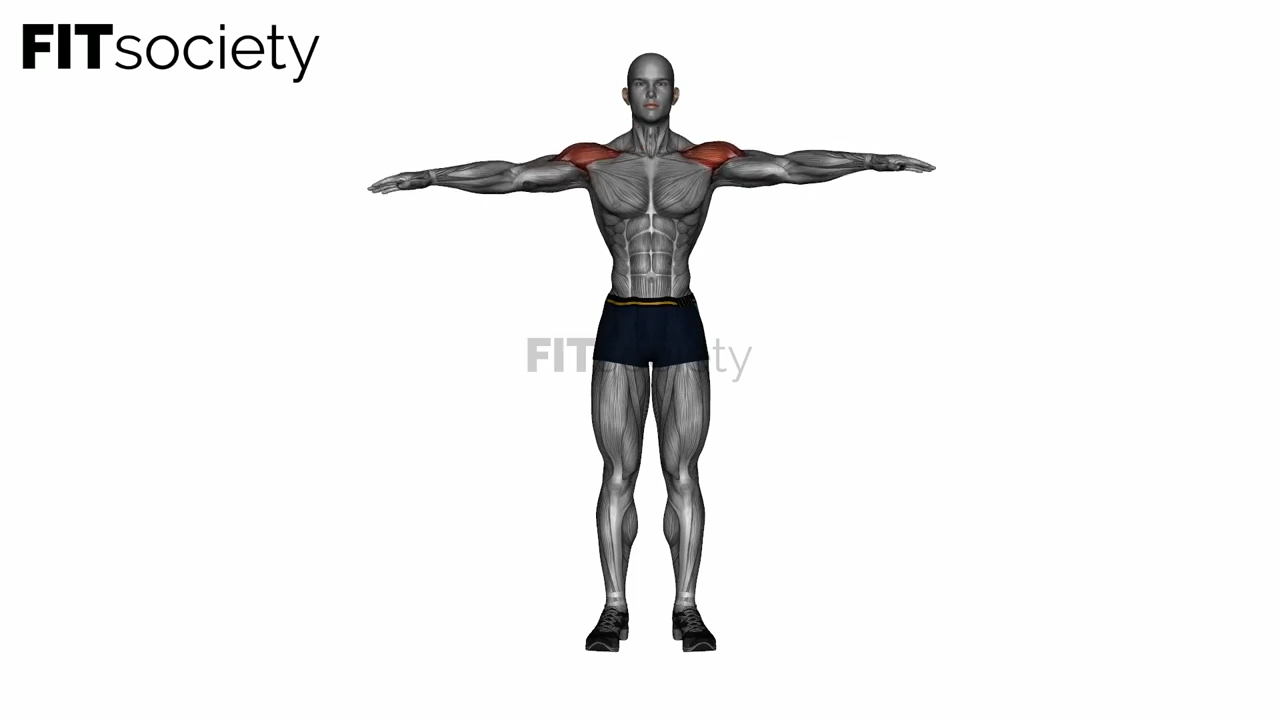
Primary Muscles: The primary focus is on the pectoralis major, but the exercise also engages the shoulders (deltoids) and, to a lesser extent, the triceps.
Benefits: Dumbbell Flyes are particularly good for improving muscle definition and increasing muscle mass in the chest. They also help improve overall shoulder stability and flexibility.
Common Mistakes: A common mistake is lowering the dumbbells too far, which can lead to shoulder injuries. Keep the movement within your comfort zone to avoid overloading. Another mistake is using weights that are too heavy, causing technique to deteriorate; start light and gradually increase the weight.
Possible Alternatives: If you want to adjust the intensity, try incline dumbbell flyes to place greater emphasis on the upper chest. Another variation is decline dumbbell flyes, which emphasizes the lower chest more. For beginners, using a machine that guides the movement, such as a pec deck machine, can be a safer alternative.
```Run your fitness business with more structure
- Planning, member management and coaching in one platform
- Built for coaches, studios and gyms
- Fewer separate tools, more overview