Dumbbell Chest Press
The Dumbbell Chest Press is a powerful exercise that targets your chest muscles, triceps, and shoulders. This exercise provides a unique opportunity to train each side of your body independently, leading to more balanced muscle development and improved muscle coordination.
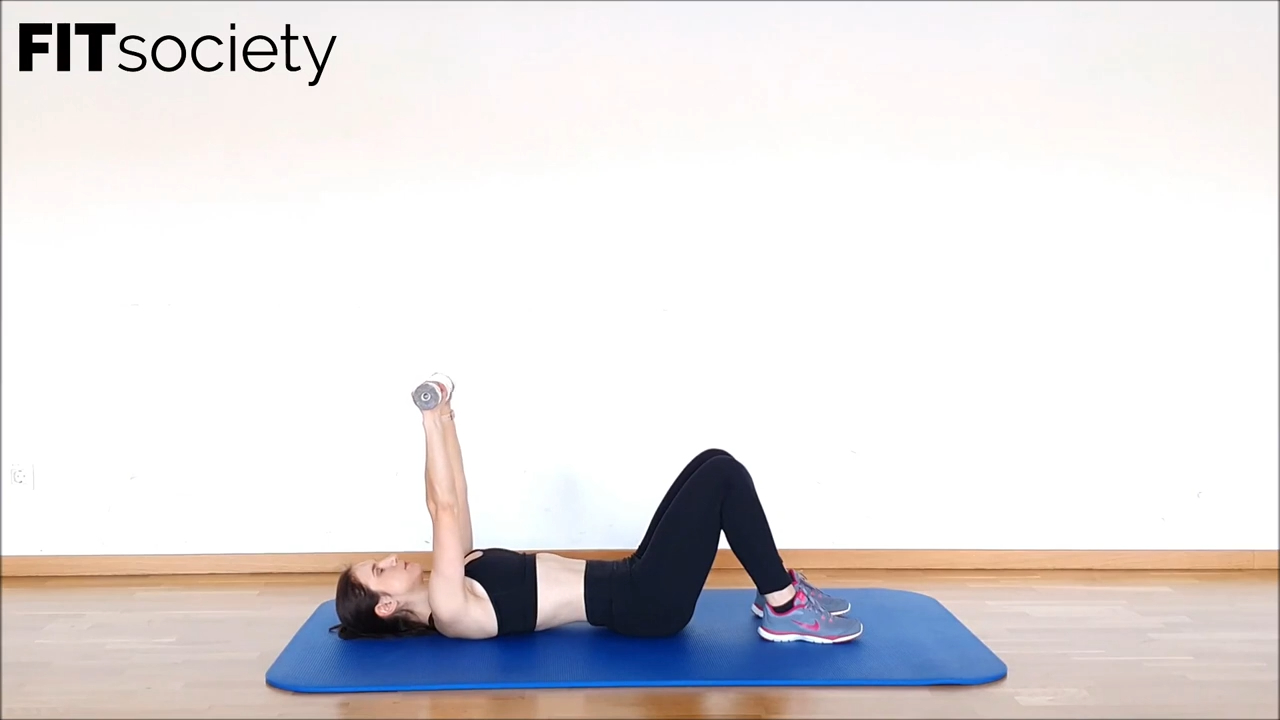
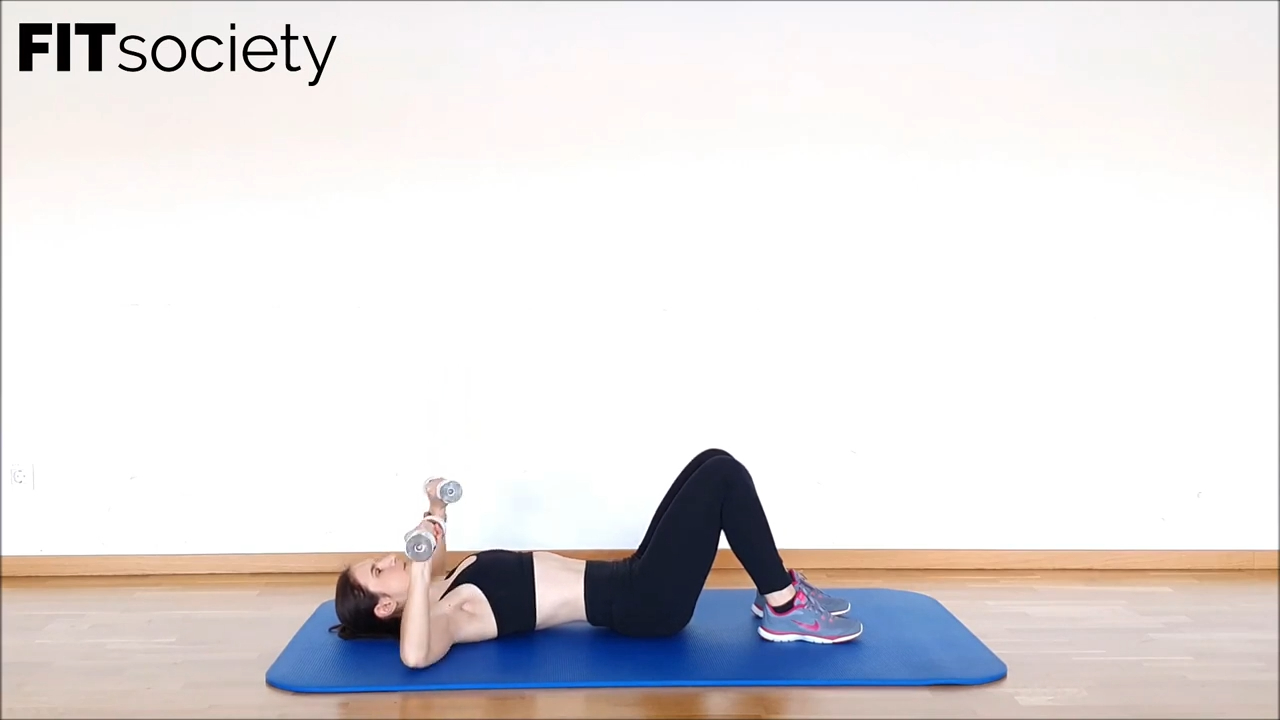
Execution
-
1
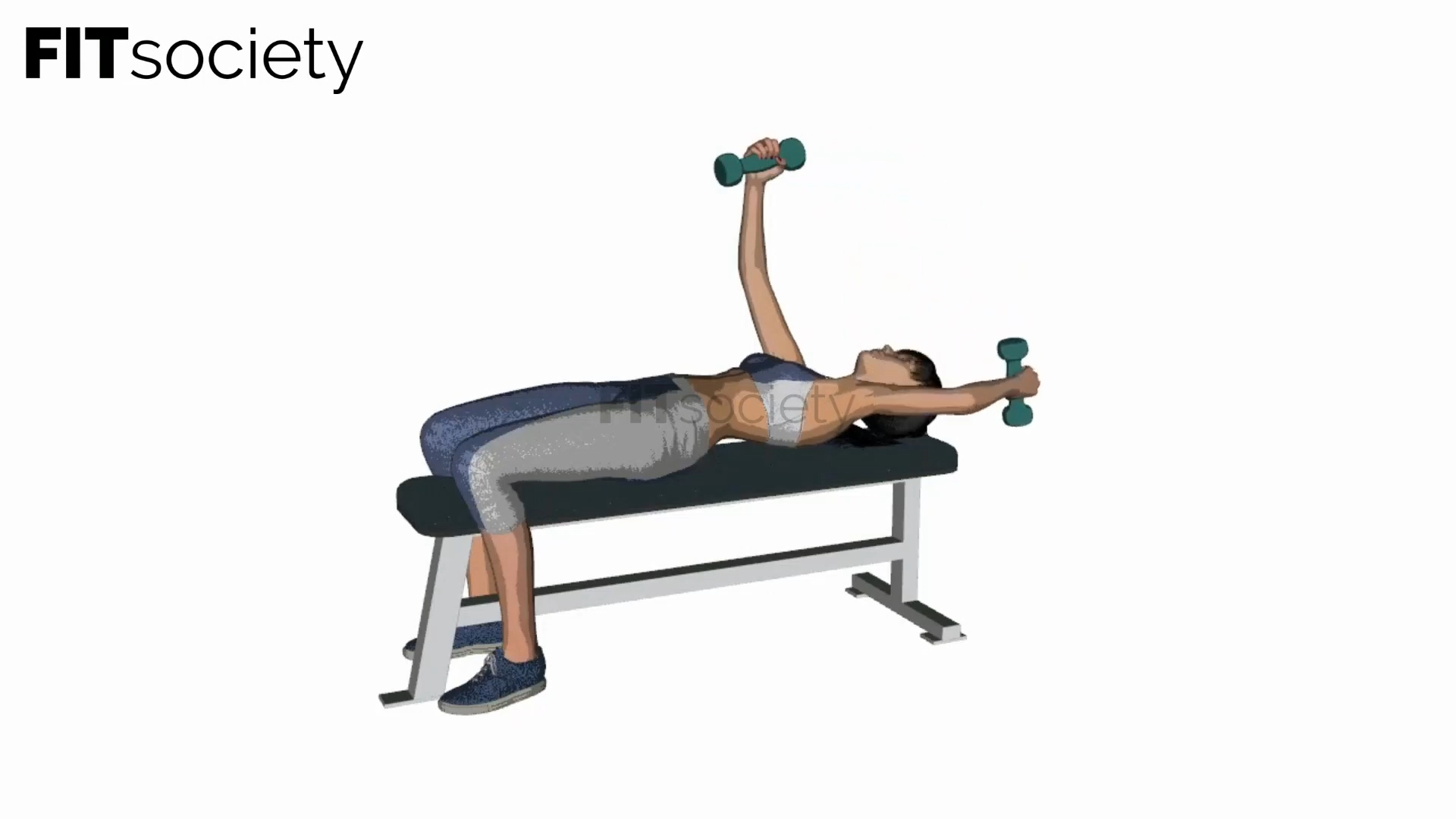
Lie on your back on a flat bench with a dumbbell in each hand. Hold the dumbbells at shoulder width with your palms facing forward.
-
2
Inhale and slowly lower the dumbbells in a controlled movement until they almost touch your chest.
-
3
Exhale as you push the dumbbells upward back to the starting position. Focus on contracting your chest muscles during this movement.
-
4
Repeat for the desired number of repetitions.
Benefits
- Improves muscle balance between the left and right sides of your body.
- Increases chest muscle strength and size.
- Stimulates the stabilizing muscles due to the use of dumbbells.
- Provides a greater range of motion, which can lead to better muscle activation.
Common Mistakes
- ! Moving the dumbbells up and down too quickly: Focus on a controlled movement to achieve maximum muscle activation.
- ! Lowering the dumbbells too far outward or inward: Keep them at shoulder width to minimize pressure on your shoulders.
- ! Not keeping your back flat on the bench: Make sure your back remains in contact with the bench throughout the exercise to prevent back injuries.
Primary Muscles
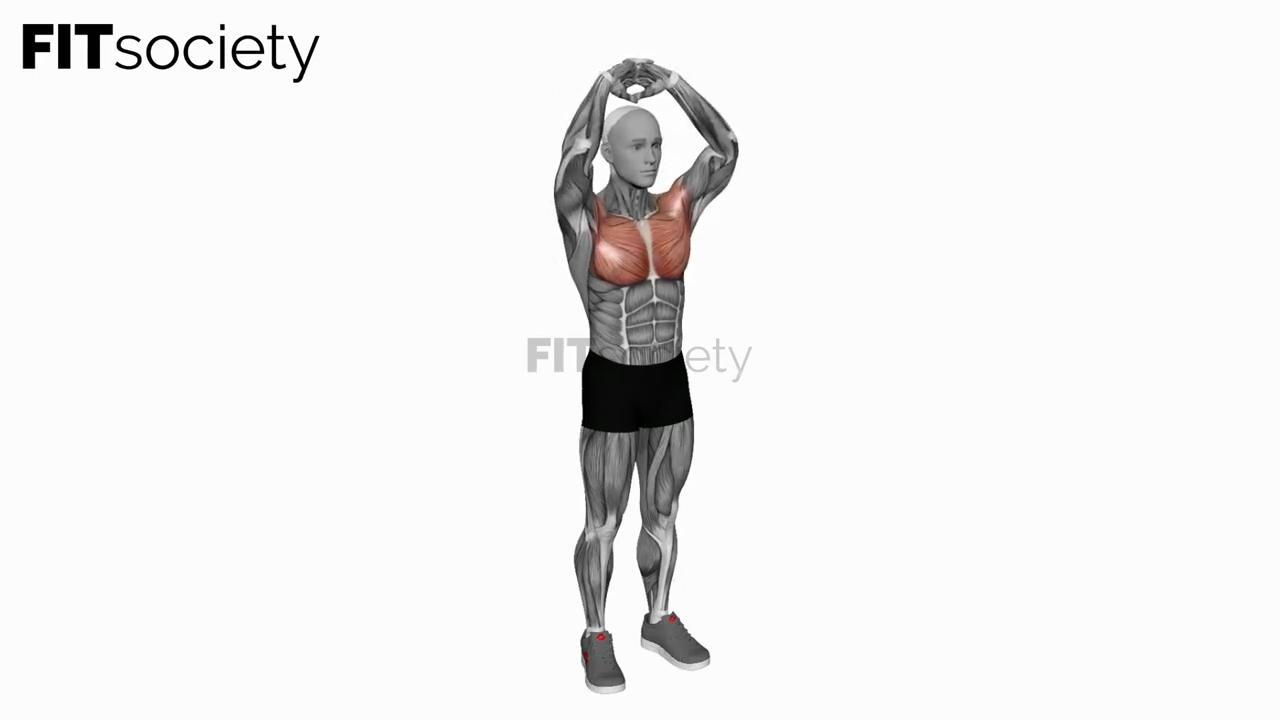
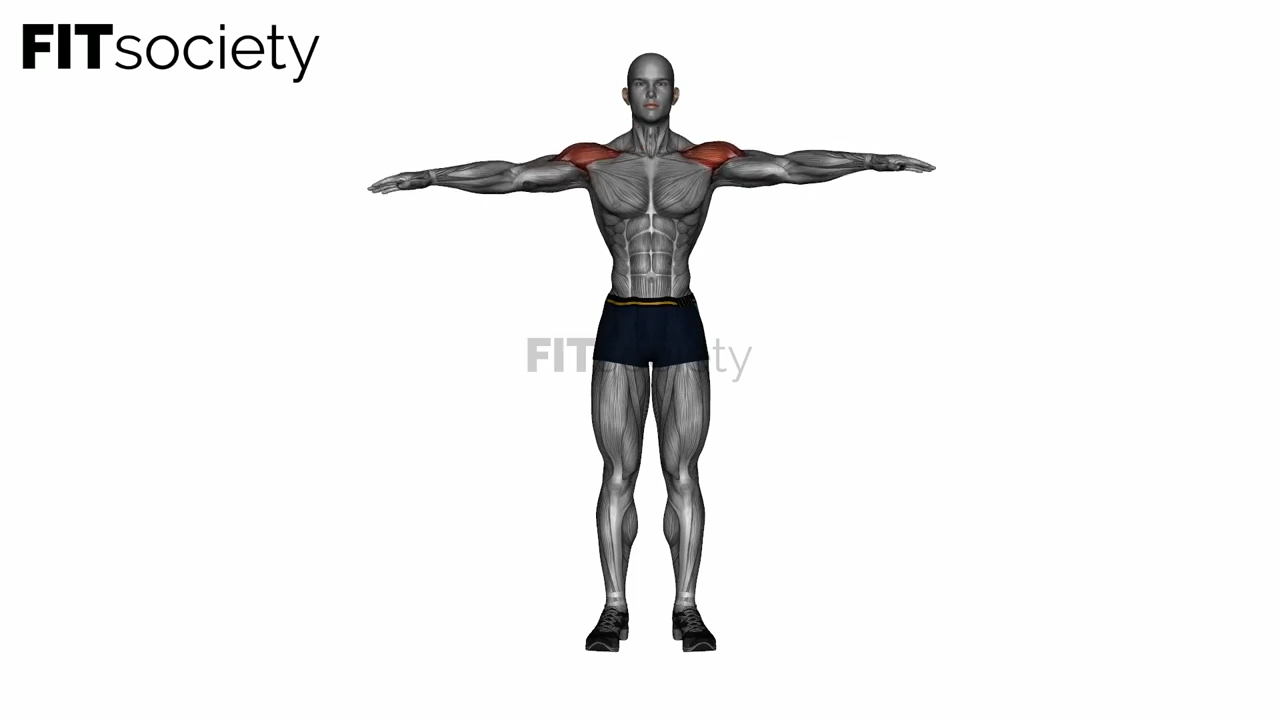
The primary muscle groups trained with the Dumbbell Chest Press are the pectoralis major, triceps, and anterior deltoids.
Possible Alternatives
- To increase the intensity, try the incline dumbbell press by setting the bench at an angle of 30 to 45 degrees. This places more emphasis on the upper chest muscles.
- For beginners or people with shoulder problems, consider the floor press, in which you lie on the floor. This limits the range of motion and reduces the load on the shoulders.
- Use a stability ball instead of a bench to place additional emphasis on core stability and balance.
Run your fitness business with more structure
- Planning, member management and coaching in one platform
- Built for coaches, studios and gyms
- Fewer separate tools, more overview