Cable Chest Fly - Low To High
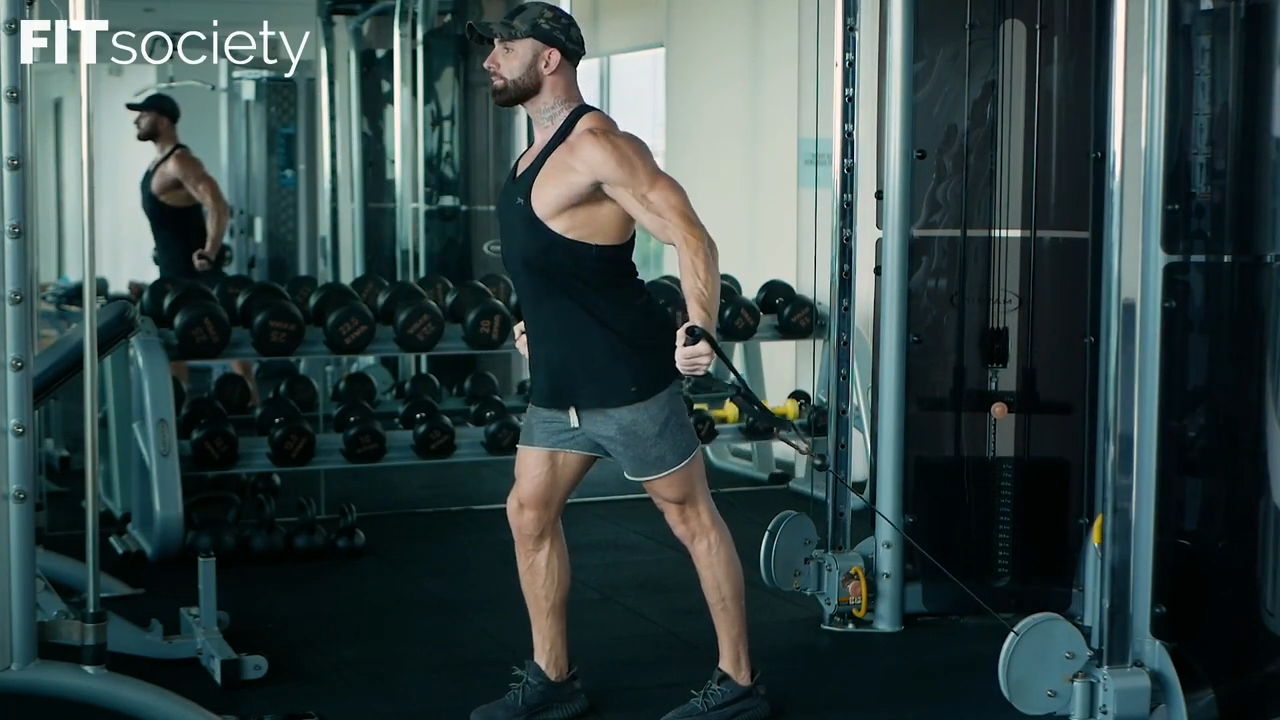
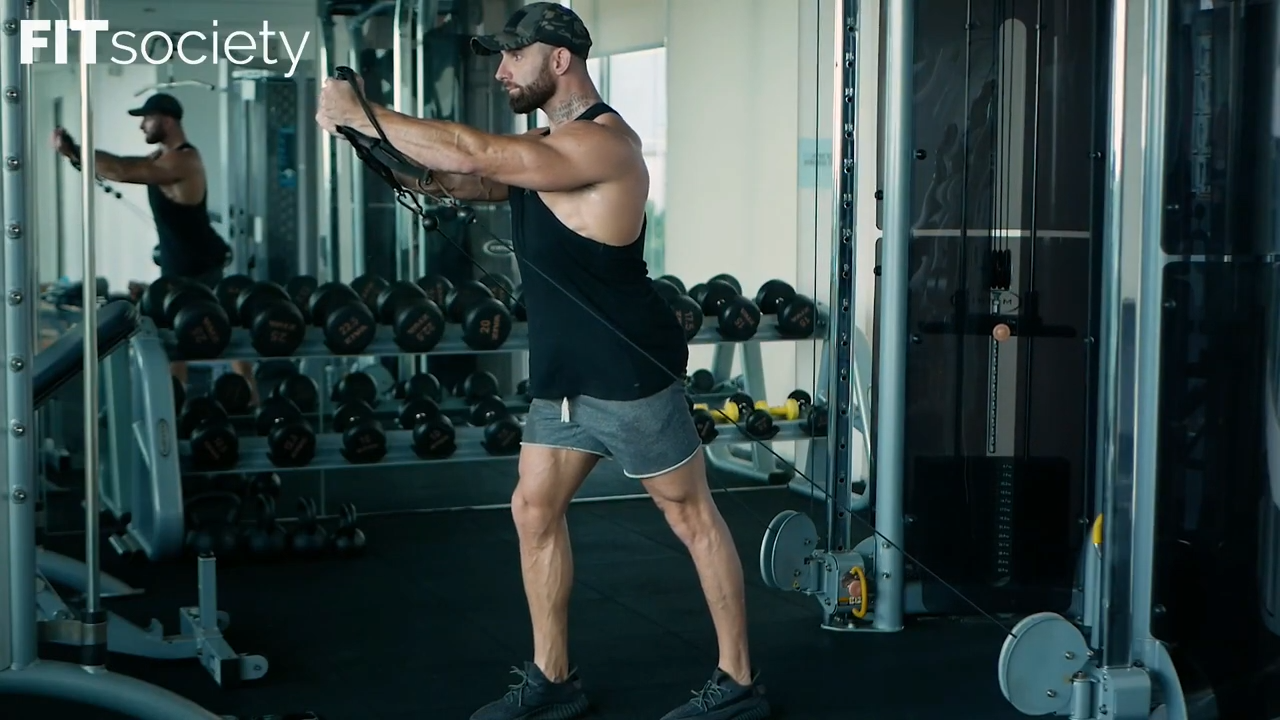
Introduction: The Cable Chest Fly - Low to High is an effective exercise for strengthening and defining your chest muscles. This variation of the chest fly targets the upper part of your chest muscles by moving from a low position to a higher position.
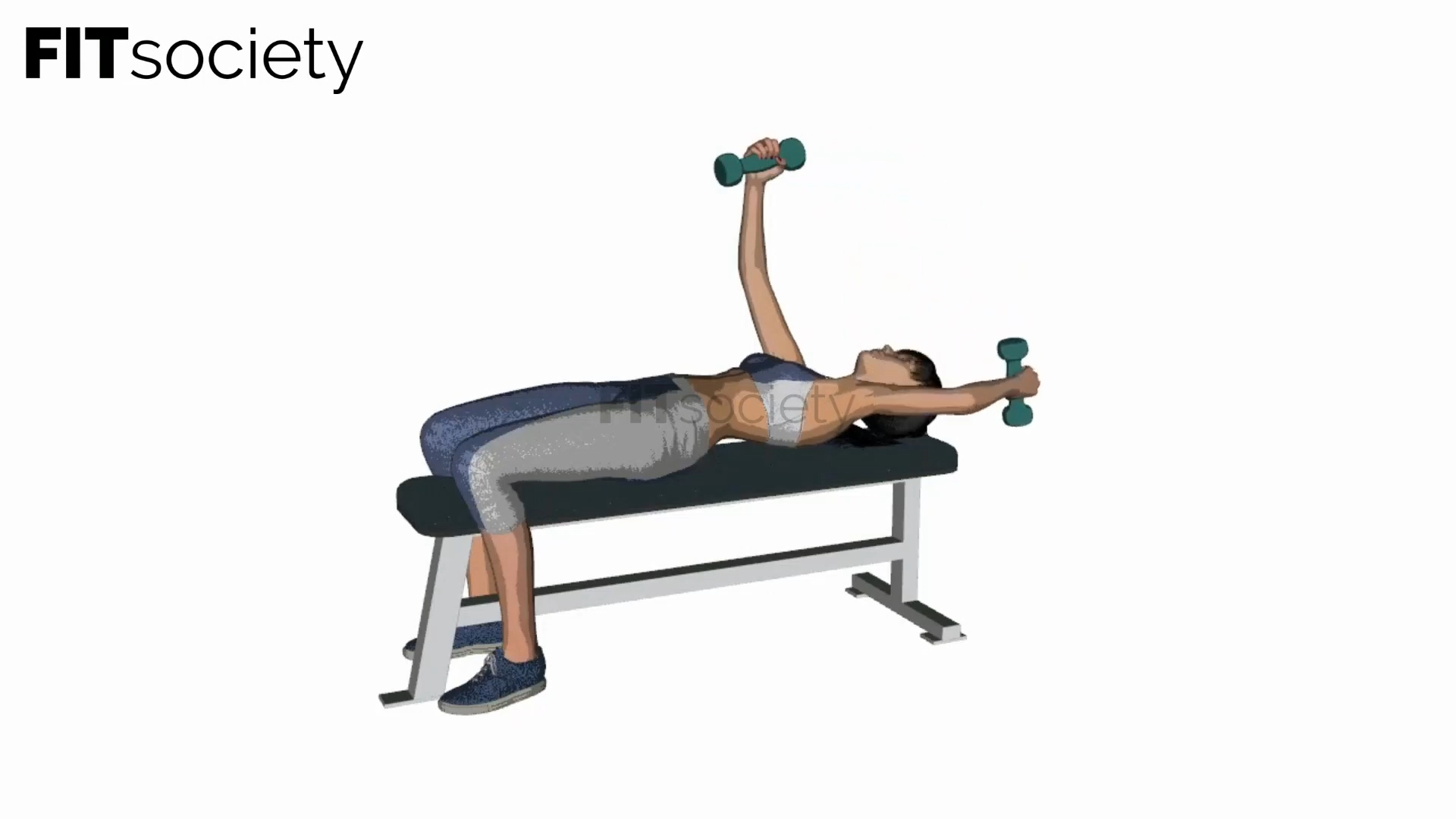
Execution: Begin by setting the cable machine to the lowest position. Grip the handles with your palms facing forward. Step forward so that you are standing with slightly bent knees and a straight back, leaning slightly forward. Start with your arms extended and slightly below shoulder height. Slowly and deliberately pull the cables upward and toward each other while squeezing your chest muscles. Hold briefly at the top, then slowly and deliberately lower your arms back to the starting position.
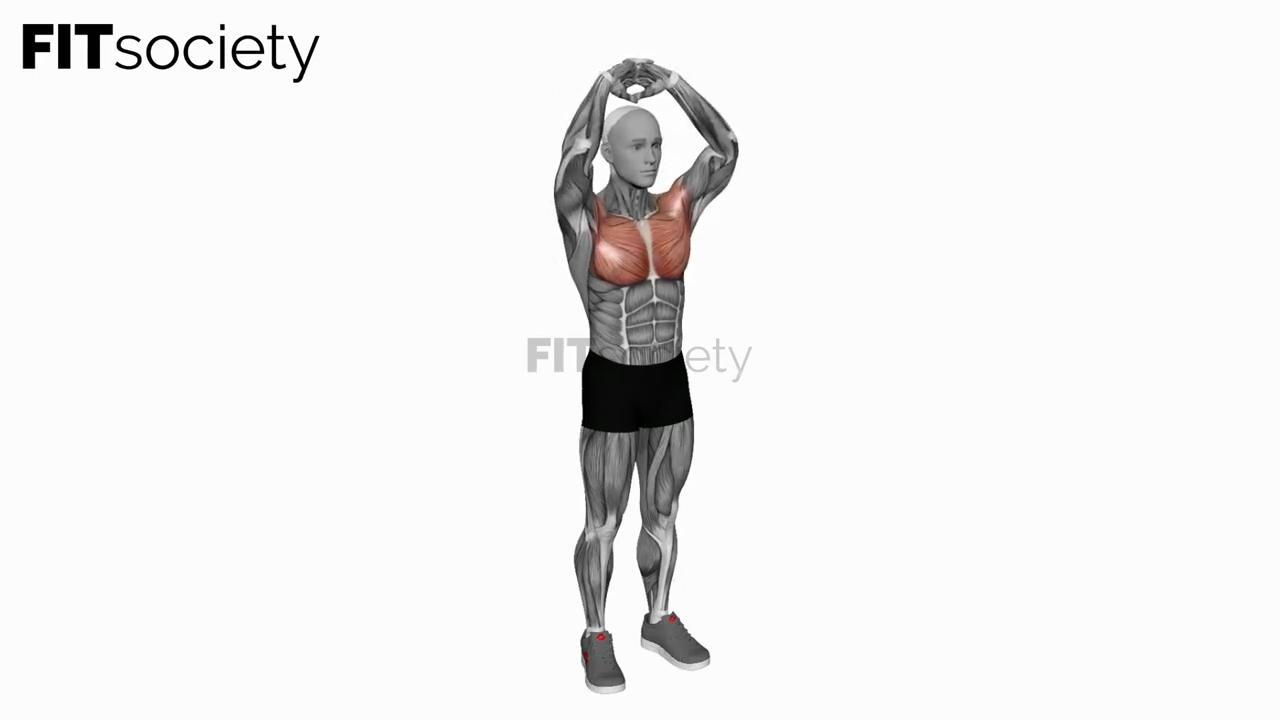
Primary Muscles: The primary focus is on the upper chest muscles (pectoralis major), but this exercise also engages the shoulders (deltoids) and triceps to a lesser extent.
Benefits: This specific fly movement helps develop a fuller chest by isolating the upper chest muscles. It also improves overall shoulder stability and may help improve posture by strengthening the upper back muscles.
Common Mistakes: A common mistake is performing the movement too quickly, which can lead to less effective muscle activation or even injuries. Make sure to perform the movement slowly and with control. Also avoid pulling your arms too far backward, which can place stress on your shoulders.
Possible Alternatives: If you want to adjust the intensity, you can experiment with the height of the cables or adjust the angle of your body. Another variation is to use a single handle and perform the exercise unilaterally, which helps correct muscle imbalances.
```Run your fitness business with more structure
- Planning, member management and coaching in one platform
- Built for coaches, studios and gyms
- Fewer separate tools, more overview