Single-Leg Plank
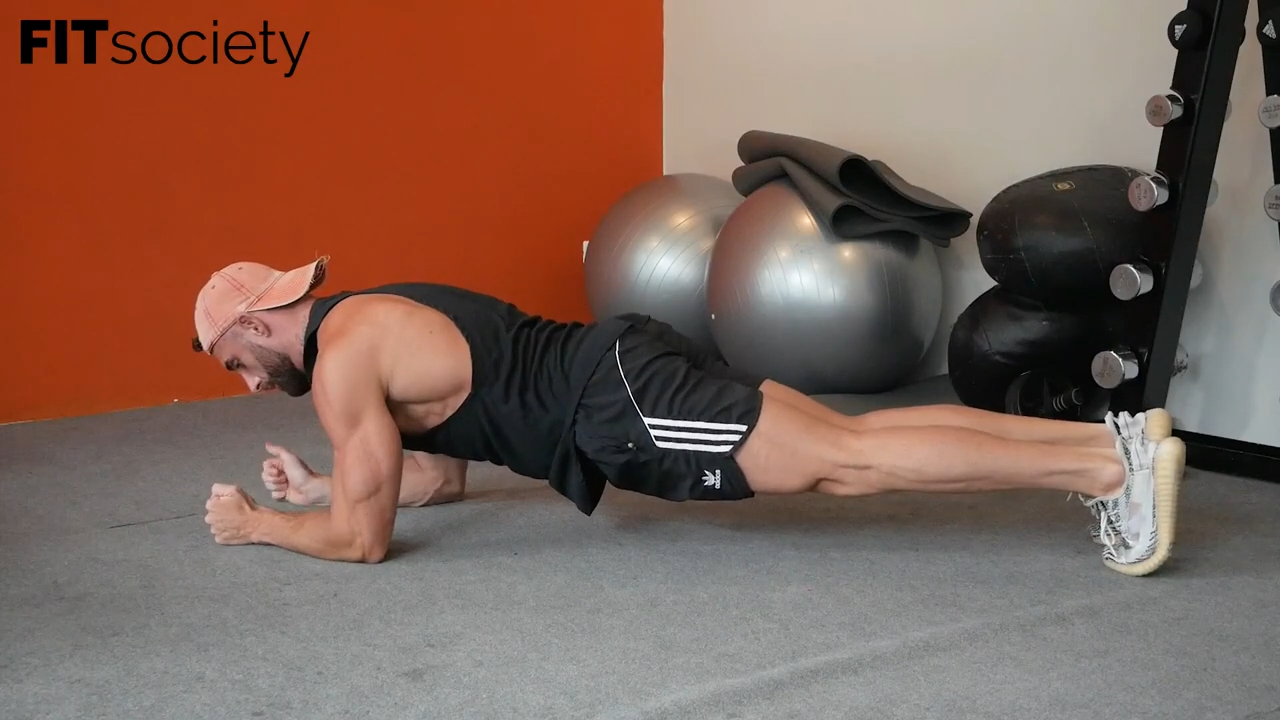
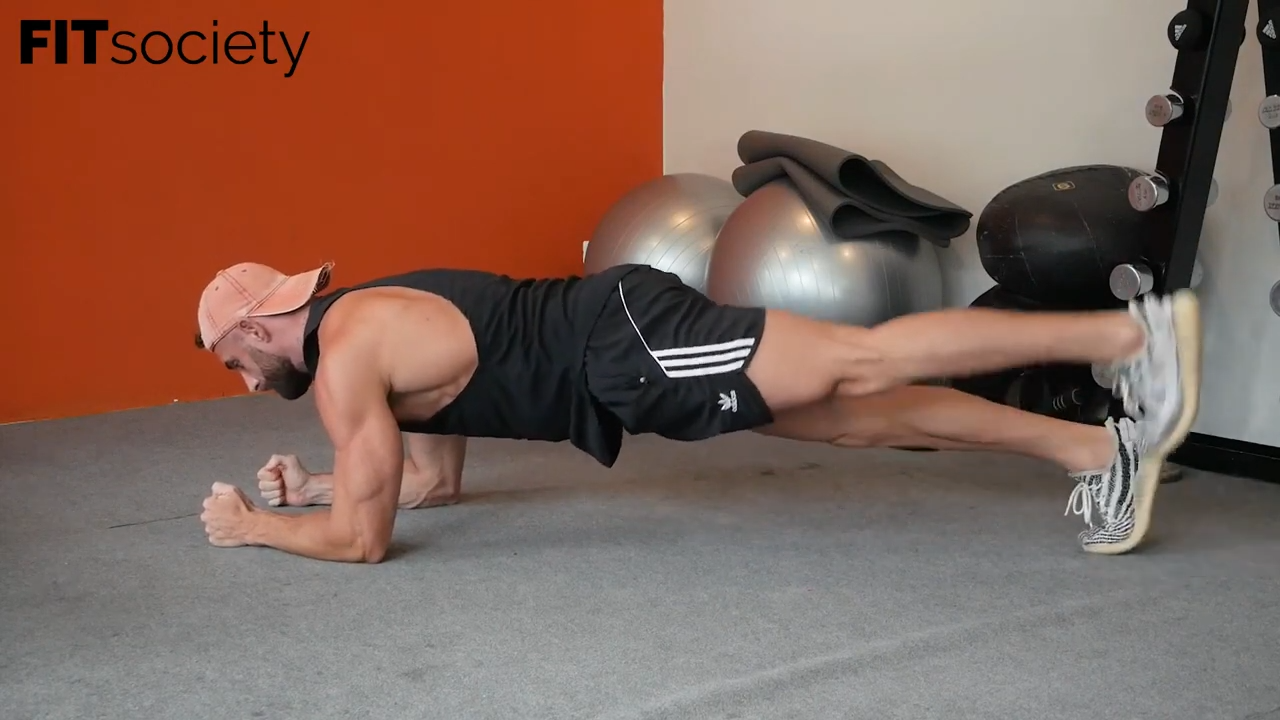
The Single-Leg Plank is a variation of the traditional plank exercise in which you lift one leg.
Benefits
The Single-Leg Plank helps improve overall core stability and strengthens the muscles needed for better posture and balance. It also increases the balance challenge, which contributes to better sports performance and daily activities.
Common Mistakes
- ! Allowing the hips to drop: Make sure your hips do not drop. This can place unnecessary strain on your lower back.
- ! Rotating the hips: It is important to keep your hips parallel to the floor to maximize the effectiveness of the exercise and prevent injuries.
Instructions
- Begin in a standard plank position with your elbows directly under your shoulders and your body in a straight line from your head to your heels.
- Engage your abdominal muscles and make sure your hips do not rise or sink.
- Slowly lift one leg approximately 15 cm off the floor without rotating or lowering your hips.
- Hold this position while continuing to breathe. Try to keep your leg and torso as still as possible.
- After a few seconds, place your leg back down and switch legs.
Primary Muscles
This exercise primarily targets the core muscles, including the rectus abdominis, obliques, and deeper transversus abdominis. The glutes, hamstrings, and lower back are also engaged.
Possible Alternatives
If the Single-Leg Plank is too challenging, start with the standard plank and gradually work toward lifting one leg. For more of a challenge, lift one leg while simultaneously extending the opposite arm.
```Run your fitness business with more structure
- Planning, member management and coaching in one platform
- Built for coaches, studios and gyms
- Fewer separate tools, more overview