Side Plank
The Side Plank is a powerful exercise that targets strengthening your core, with a special focus on the obliques and deeper stabilizing muscles. It is an excellent exercise for improving your balance and stability.
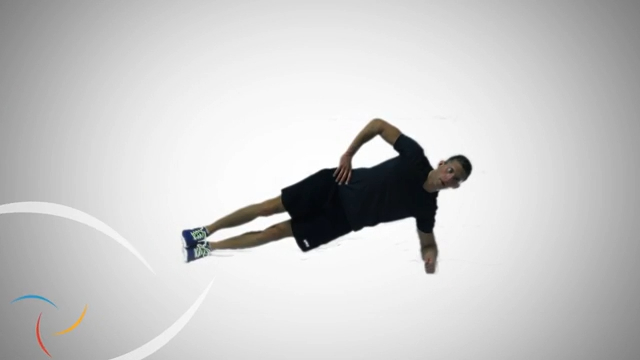
Execution
-
1
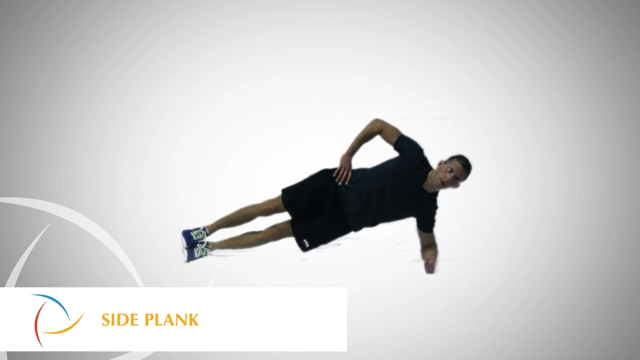
Lie on your side with your legs straight.
-
2
Support yourself on your forearm, ensuring that your elbow is directly under your shoulder.
-
3
Lift your hips until your body forms a straight line from your head to your feet.
-
4
Hold this position while bracing your core. Make sure your hips do not tilt forward or backward.
-
5
Stay in this position for 20 to 30 seconds, then switch sides.
Benefits
- Improves core stability and strength.
- Helps reduce back pain by strengthening the back and abdominal muscles.
- Improves balance and posture.
- May help reduce waist circumference by strengthening the obliques.
Common Mistakes
- ! Letting the hips drop: Make sure your hips stay elevated and aligned with your body.
- ! Elbow not under the shoulder: This can cause unnecessary stress on your shoulder. Make sure your elbow is directly under your shoulder.
- ! Letting the head hang: Keep your neck in a neutral position by keeping your head aligned with your spine.
Targeted Muscles
The Side Plank primarily trains the obliques, rectus abdominis, erector spinae, and gluteus medius and minimus.
Possible Alternatives
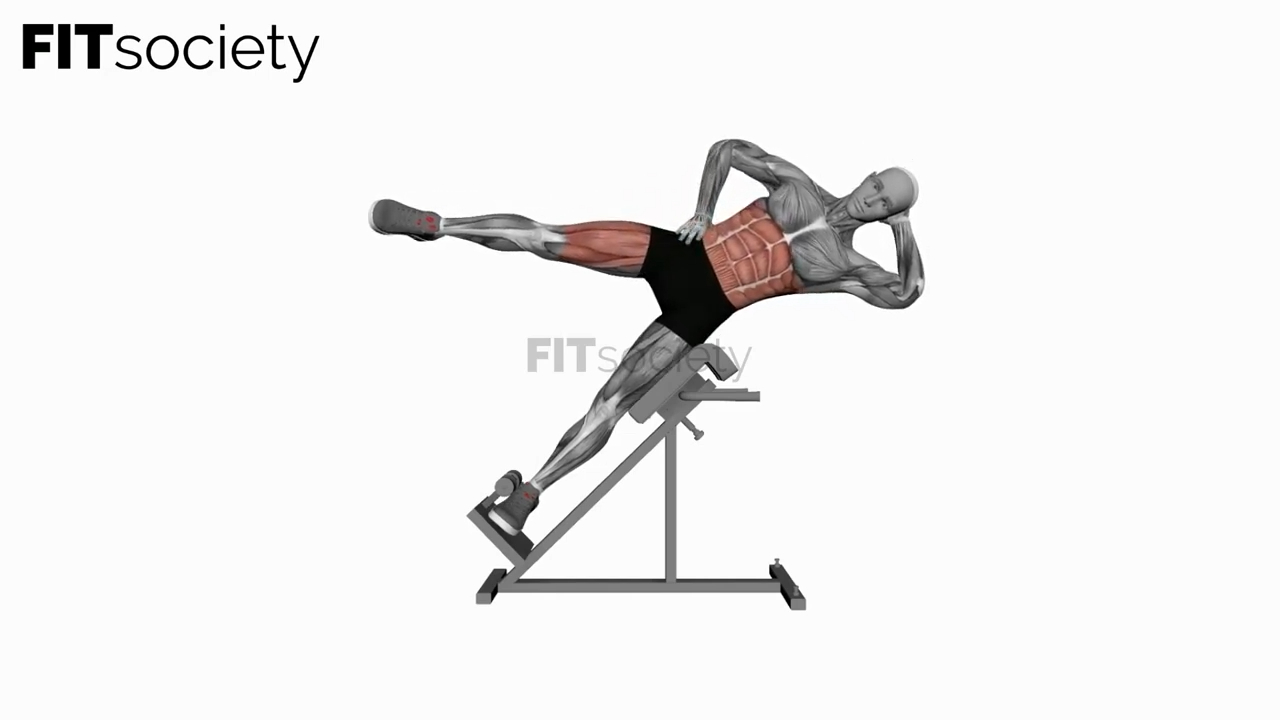
- Side Plank with leg raise: For an extra challenge, raise your top leg while in the side plank position.
- Side Plank on hands: Instead of supporting yourself on your forearm, support yourself on your hand to increase the intensity.
- Side Plank dips: From the side plank position, lower your hips slightly and then lift them back up for extra intensity.
Run your fitness business with more structure
- Planning, member management and coaching in one platform
- Built for coaches, studios and gyms
- Fewer separate tools, more overview