Shoulder Taps
Shoulder Taps are a fantastic exercise for improving core stability and strengthening the shoulder muscles. This exercise requires no equipment and can be performed almost anywhere, making it an excellent choice for both home workouts and the gym.
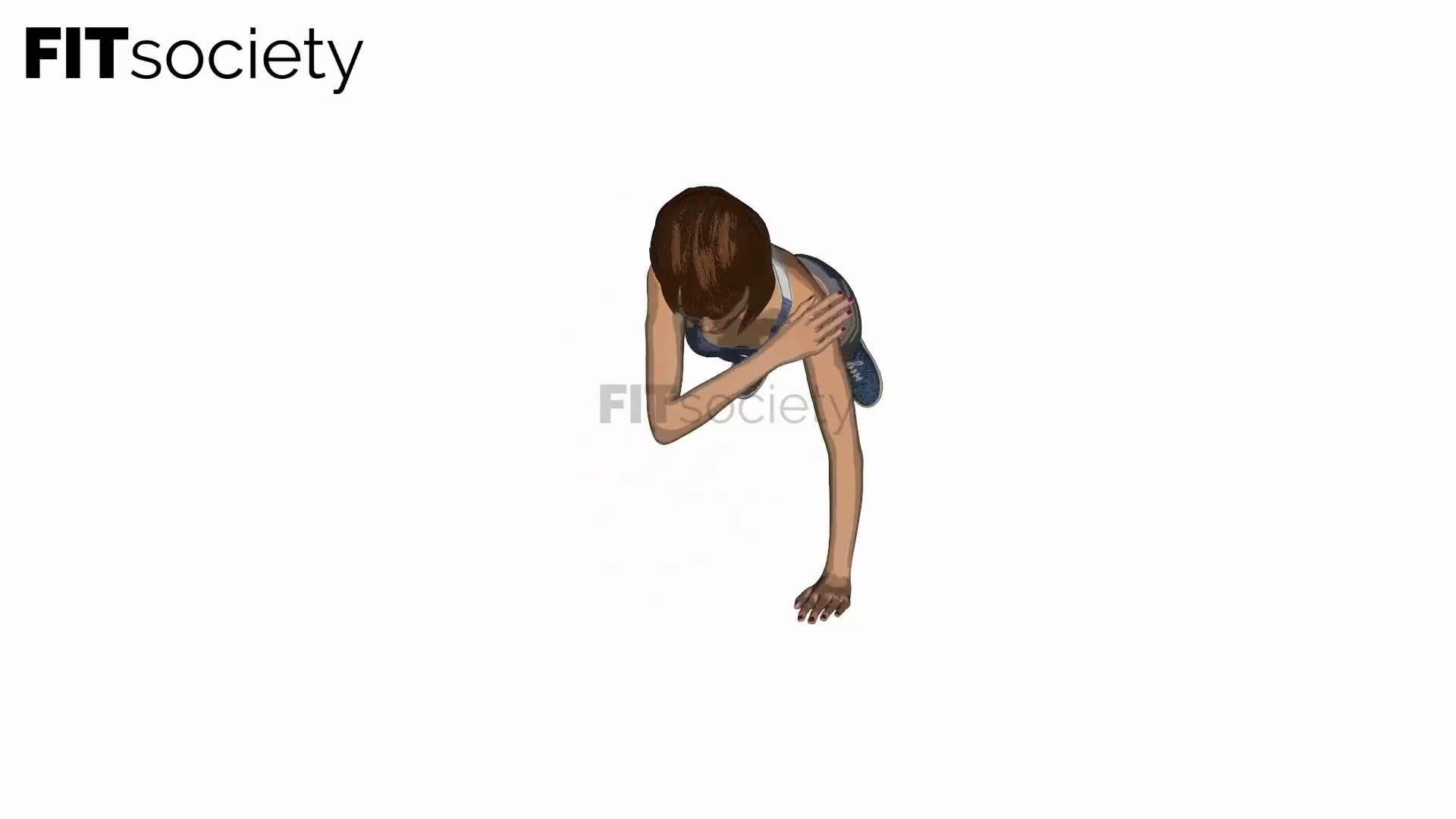
Execution
-
1
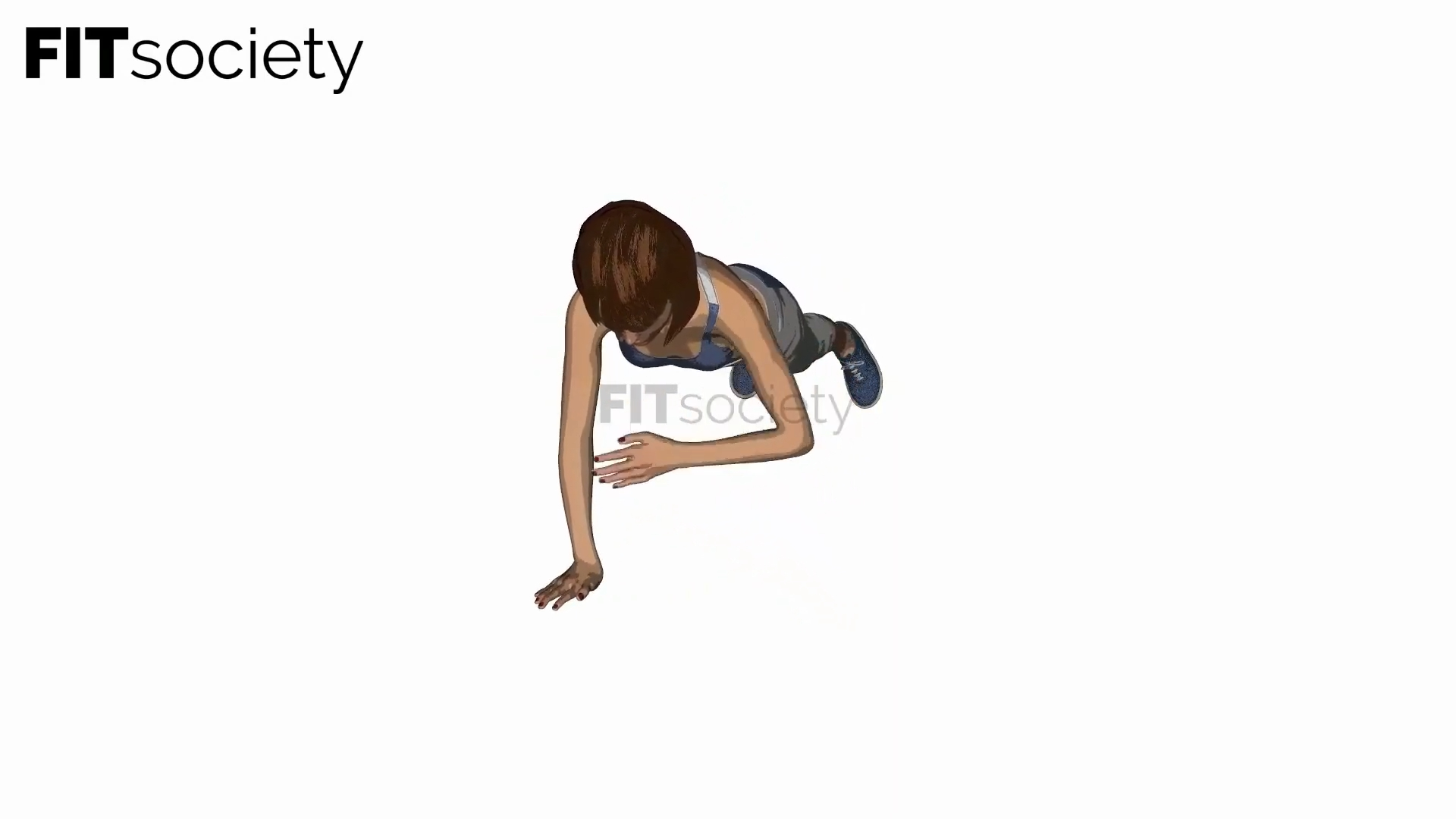
Begin in a plank position with your hands directly under your shoulders and your feet hip-width apart.
-
2
Engage your abdominal muscles to keep your body in a straight line. Avoid letting your hips sag or rise.
-
3
Lift your right hand and tap your left shoulder while keeping your body as still as possible.
-
4
Place your right hand back down and repeat the movement with your left hand to your right shoulder.
-
5
Continue alternating for the desired number of repetitions.
Benefits
- Improves core stability and strength.
- Strengthens the shoulders and arms.
- Helps improve balance and coordination.
- May help reduce the risk of shoulder injuries.
Common Mistakes
- ! Performing the movement too quickly, which reduces the emphasis on stability.
- ! Letting the hips sag or pushing them upward, which reduces the effectiveness of the exercise.
- ! Failing to maintain enough tension in the abdominal muscles throughout the exercise.
Main Muscles
Shoulder Taps primarily target the shoulder muscles (deltoids), the trapezius, and the muscles around the torso, including the abdominal and lower back muscles, for a strong core.
Possible Alternatives
- To increase the intensity, try Shoulder Taps with your feet elevated on a platform or ball.
- For a less intense variation, perform the exercise while supporting yourself on your knees instead of your toes.
- Add a push-up between each Shoulder Tap for an extra challenge.
Run your fitness business with more structure
- Planning, member management and coaching in one platform
- Built for coaches, studios and gyms
- Fewer separate tools, more overview