Lying Leg-Hip Raise
The Lying Leg Raise is an exercise targeting the abdominals, although some muscles in the thighs and pelvis also actively contribute.
As the name suggests, the nearly straight legs are raised. This primarily involves two muscles in the thighs and muscles in the pelvis.
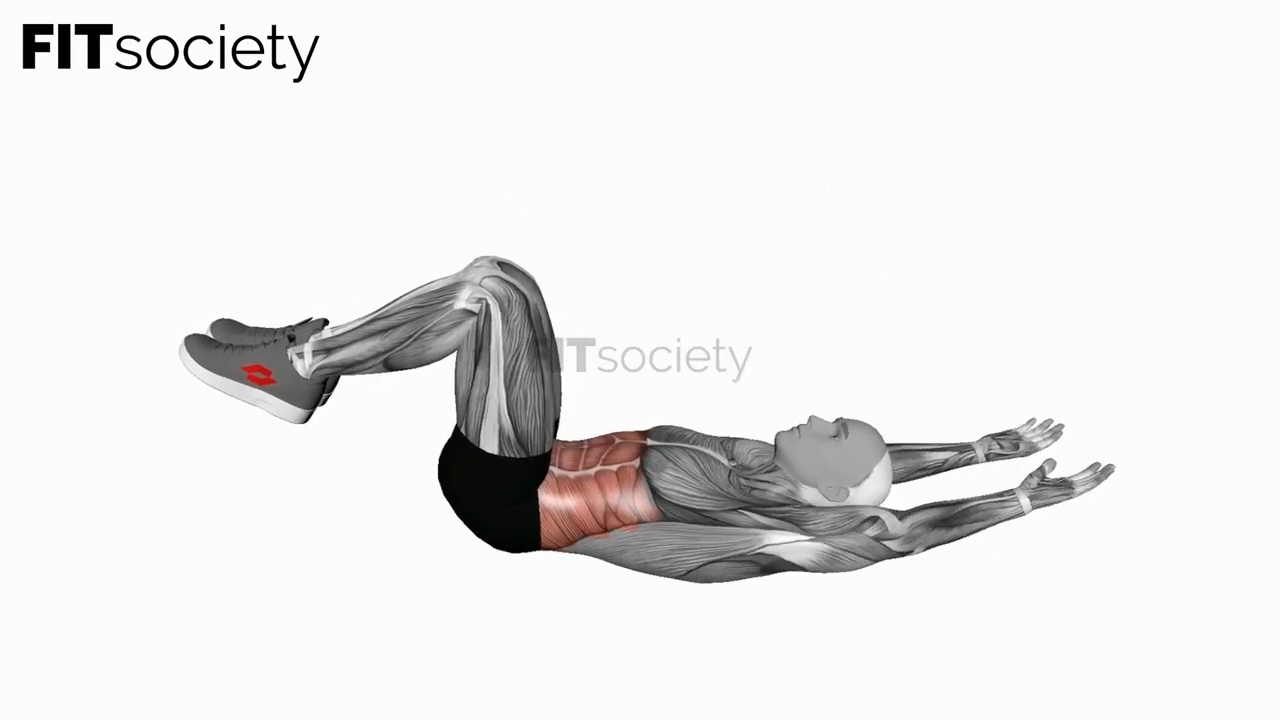
The exercise is then extended by also raising the pelvis itself toward the chest. This is primarily a function of the rectus abdominis (the basis of the ‘six-pack’). It draws the pelvis toward the sternum by rounding the back.
At this point, your body tends to rock downward. After all, you form a bowl with your back while most of the weight is on the leg side. To stabilize yourself, prevent this rolling by pushing into the floor with your hands and arms. The triceps and latissimus dorsi, among others, are engaged in this process.
The obliques and transversus abdominis help stabilize the core and control lateral movements.
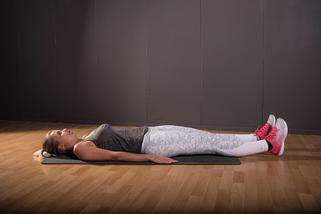
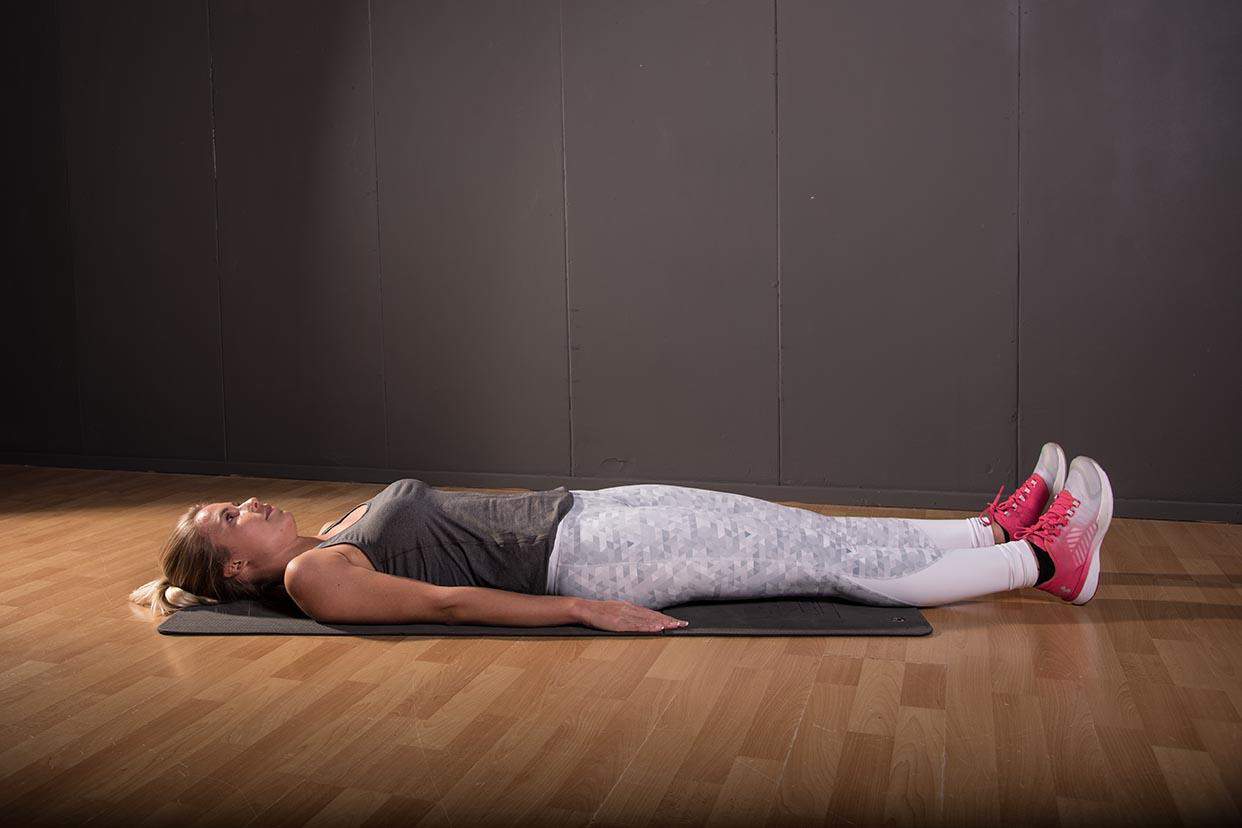
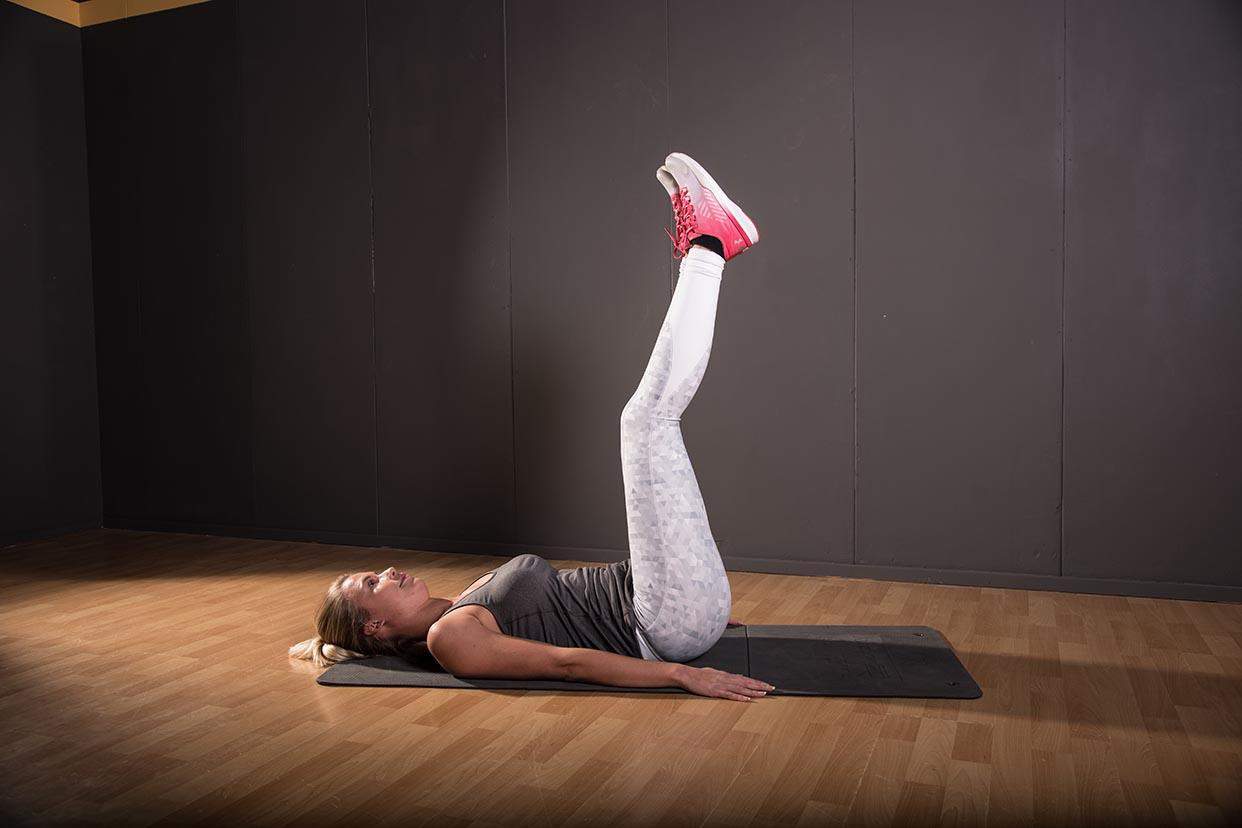
Lying Leg Raise Execution
-
1
Lie on your back on the floor with your body
-
2
Raise your nearly straight legs until they are horizontal.
-
3
In a smooth movement, continue bringing the legs toward chest height or higher by raising the pelvis/hips themselves. Stabilize yourself by pushing into the floor with your arms.
Lying Leg Raise
Active muscles:
Abdominals:
- Rectus abdominis
- Obliquus externus abdominis (external oblique)
- Obliquus internus abdominis (internal oblique)
- Musculus transversus abdominis (transverse abdominis, or ‘corset muscle’)
Pelvis:
- Psoas major
- Iliacus
Legs:
- Rectus femoris
- Sartorius
Arms:
- Triceps brachii
Back:
- Latissimus dorsi
Lying Leg Raise technique
This and similar exercises are not performed to train the lower abdominals. That is not possible. You train the entire rectus abdominis, not specifically one part of it.
In the first part of the exercise, muscles in the pelvis and thighs are primarily used. The rectus femoris brings the thigh toward the pelvis and the lower spine, and vice versa. The weaker sartorius and muscles in the pelvis (psoas major and iliacus) assist the rectus femoris in this.
The abdominal muscles become especially active in the second part of the exercise, when the pelvis itself is raised. Nevertheless, many people who want to train their abdominals do not perform this part of the exercise, especially in the lying variation (because of the rocking).
The exercise can also be performed in a dip station with support pads for the forearms and back. In that case, too, it is important that the pelvis itself also moves forward and upward. Therefore, make sure your lower back no longer makes contact with the equipment at the end of the exercise.
Alternatives
- Hanging Leg-Hip Raise
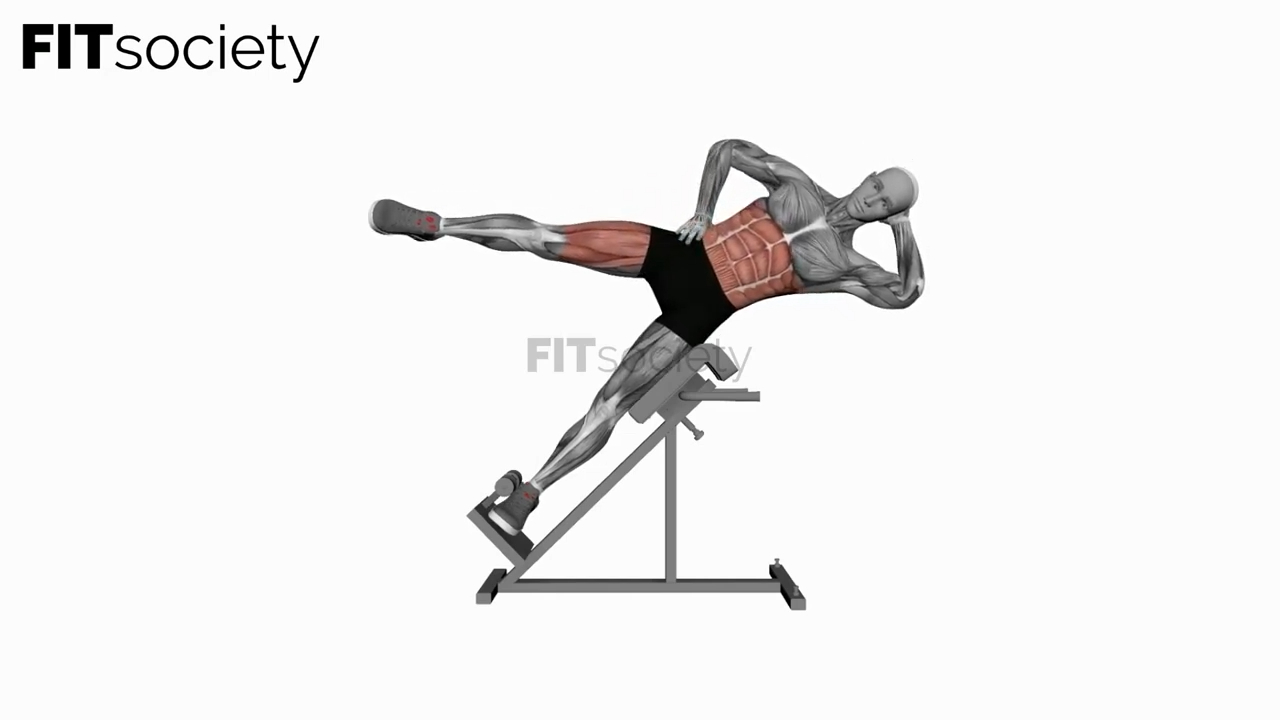
- Incline Bench leg raise
- Crunch
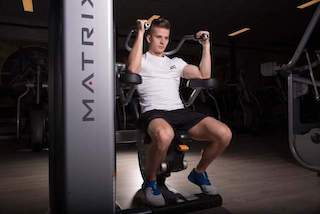
- Crunch Machine
- Cable kneeling Crunch
Run your fitness business with more structure
- Planning, member management and coaching in one platform
- Built for coaches, studios and gyms
- Fewer separate tools, more overview