Crunch Up
The (Ab) Crunch is one of the best-known exercises for the abdominal muscles. The rectus abdominis (the basis of the 'six-pack') pulls the sternum toward the pelvis by rounding the back. The oblique abdominal muscles at the sides stabilize the core by limiting lateral tilting and rotation. The transversus abdominis (beneath the oblique muscles) pulls the abdominal wall inward and thus acts as a natural weightlifting belt to stabilize the core.
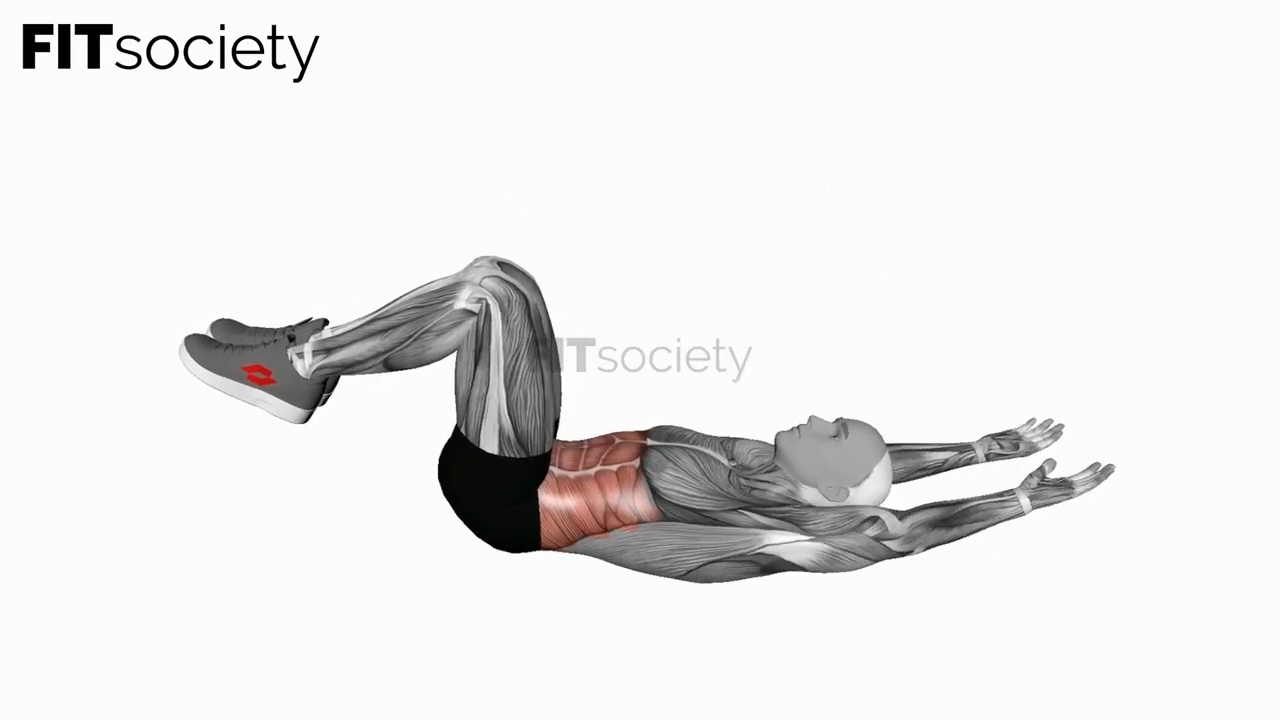
Performing the Crunch with the legs raised upward isolates the rectus abdominis more (see notes).
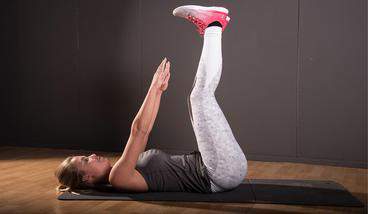
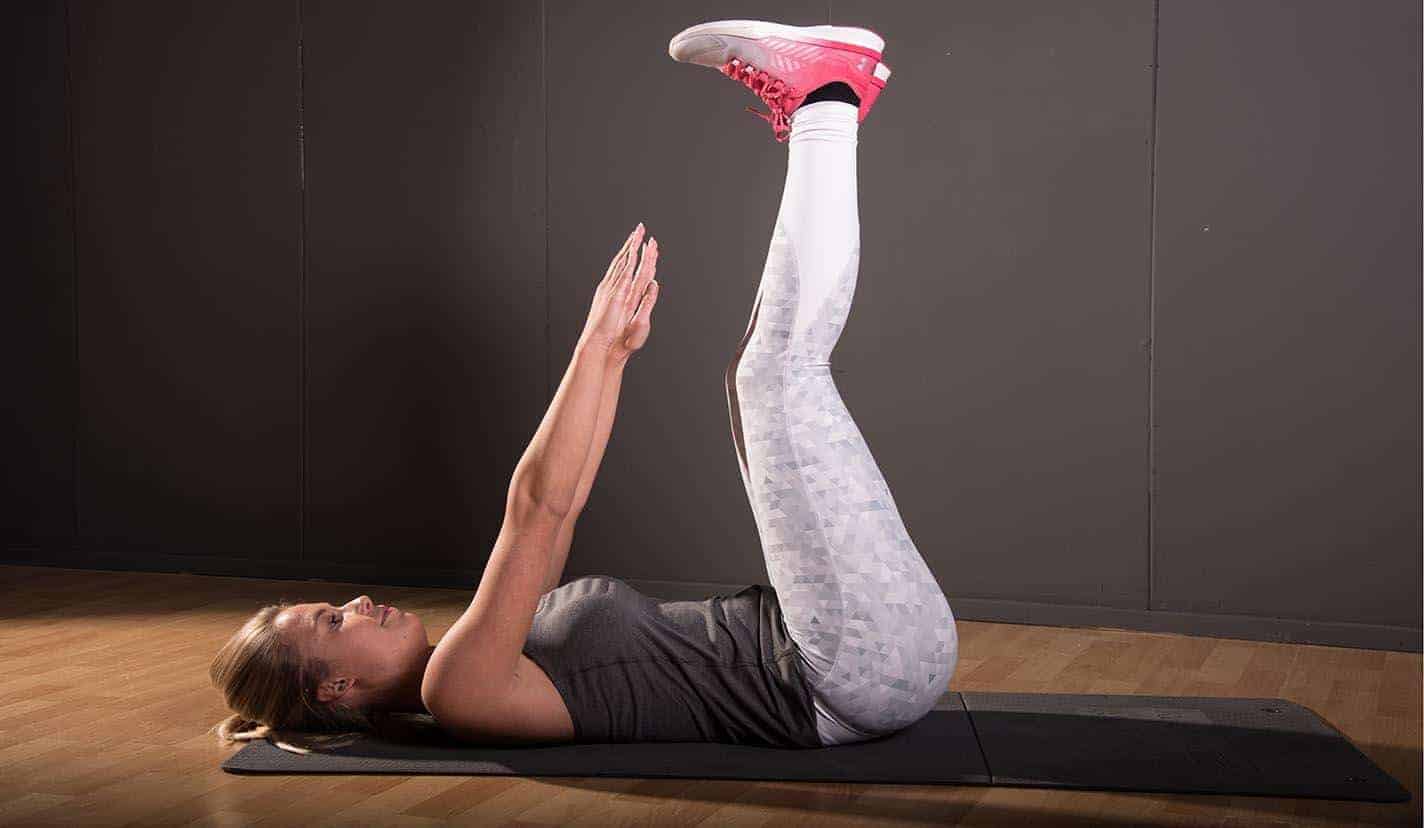
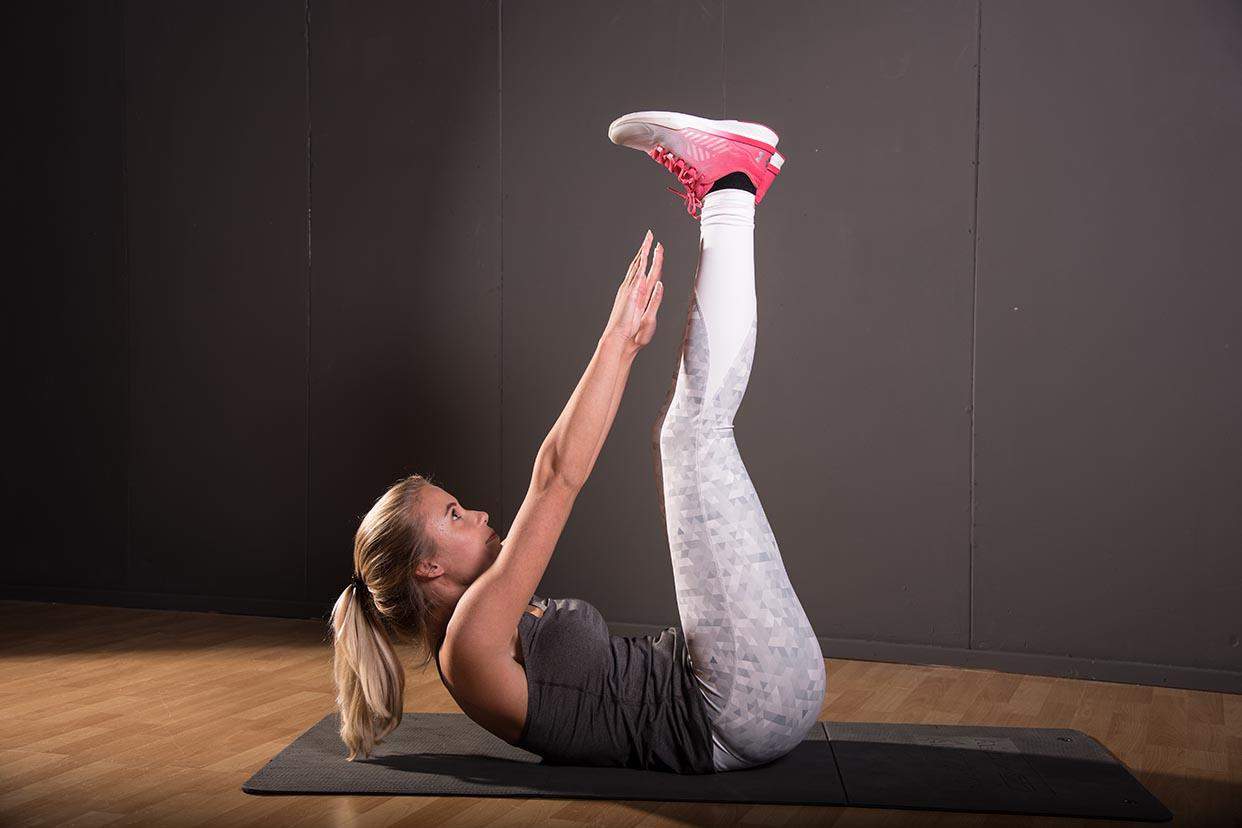
Crunch Up execution
-
1
Lie on your back on the floor.
-
2
Raise your legs straight up into the air with your knees slightly bent.
-
3
Bring your chest toward your pelvis by contracting your abdominal muscles. At the same time, bring your hands with your arms extended toward your feet. Hold the tension for 1 to 2 seconds.
-
4
Slowly lower your chest back down and backward.
Crunch Up
Active muscles:
Abdomen:
- Rectus abdominis (straight abdominal muscle)
- Obliquus externus abdominis (external oblique muscle)
- Obliquus internus abdominis (internal oblique muscle)
- Musculus transversus abdominis (transverse abdominal muscle, or 'corset muscle')
Pelvis (depending on execution):
- Psoas major
- Iliacus
Legs (depending on execution):
- Rectus femoris
- Sartorius
Crunch Up technique
When training the abdominals, muscles in the pelvis and upper legs are often also engaged unconsciously. The rectus femoris is one of the quadriceps muscles. It is the only quadriceps muscle that crosses not only the knee joint but also the hip joint.
The rectus femoris brings the thigh toward the pelvis and the lower part of the spine, and vice versa. It is a so-called hip flexor and therefore brings the thigh forward from the hip joint. This also happens when the torso is brought too far toward the thighs during an Ab Crunch, causing it to begin to resemble a Sit-Up. The weaker sartorius assists the rectus femoris in this.
Shorter muscles that connect the pelvis to the thigh, the psoas major and iliacus, also play an important role in flexion at the hip. Normally, during the Ab Crunch, you should therefore focus on rounding the spine (as if you were being punched in the stomach). When you raise the entire torso, you begin to engage the aforementioned muscles in the pelvis and upper legs more.
By raising the legs into the air, these muscles in the legs and pelvis can contribute less forcefully. They are already shortened (active insufficiency). This makes it easier to place the emphasis on the abdominal muscles.
Alternatives
- Crunches (arms down)
- Sit-Ups
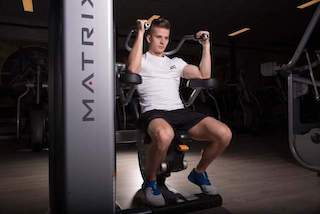
- Crunch Machine
- Cable Kneeling Crunch
- Ball Crunch
Run your fitness business with more structure
- Planning, member management and coaching in one platform
- Built for coaches, studios and gyms
- Fewer separate tools, more overview