Cable Kneeling Crunch
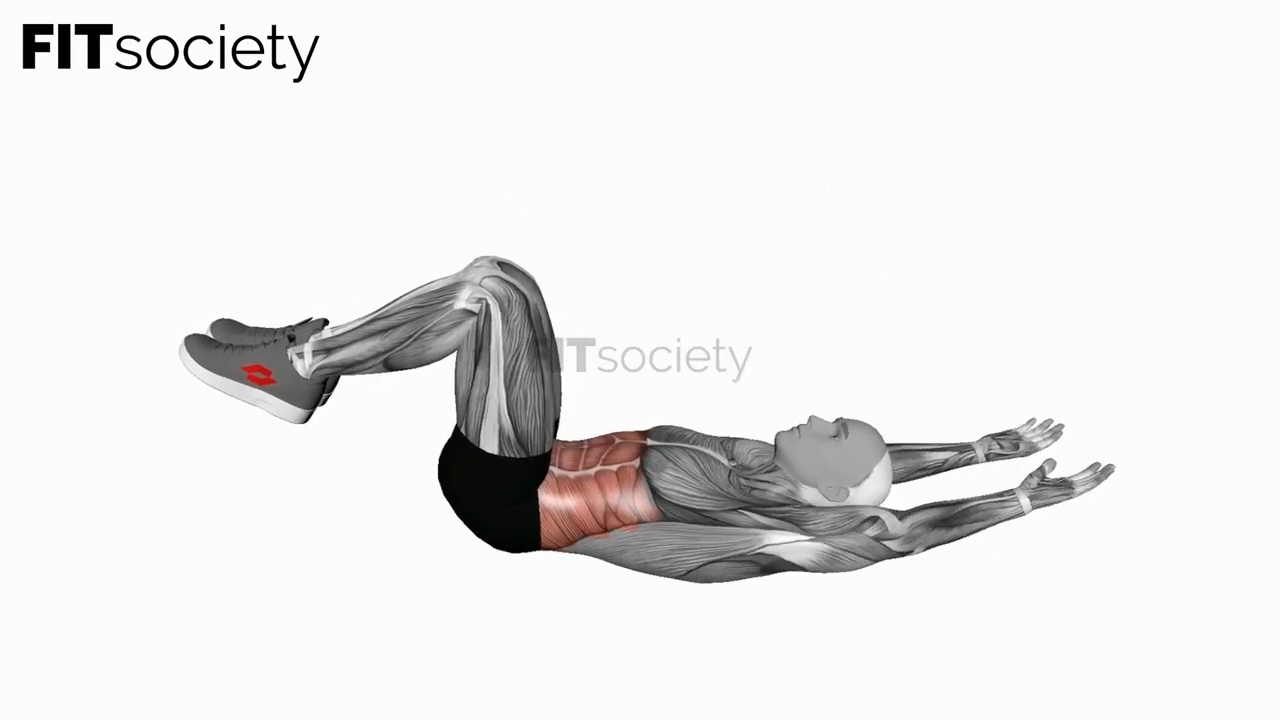
The (Ab) Crunch is one of the best-known exercises for the abdominal muscles. The rectus abdominis (the basis of the ‘six-pack’) draws the sternum toward the pelvis by rounding the back. The oblique abdominal muscles on the sides stabilize the core by resisting lateral flexion and rotation. The transverse abdominis (beneath the obliques) draws the abdominal wall inward and thereby acts as a natural weightlifting belt to stabilize the core.
With the cable kneeling crunch, you use the cable machine for additional resistance. However, this variation increases the chance of incorrect execution and therefore the risk of injury
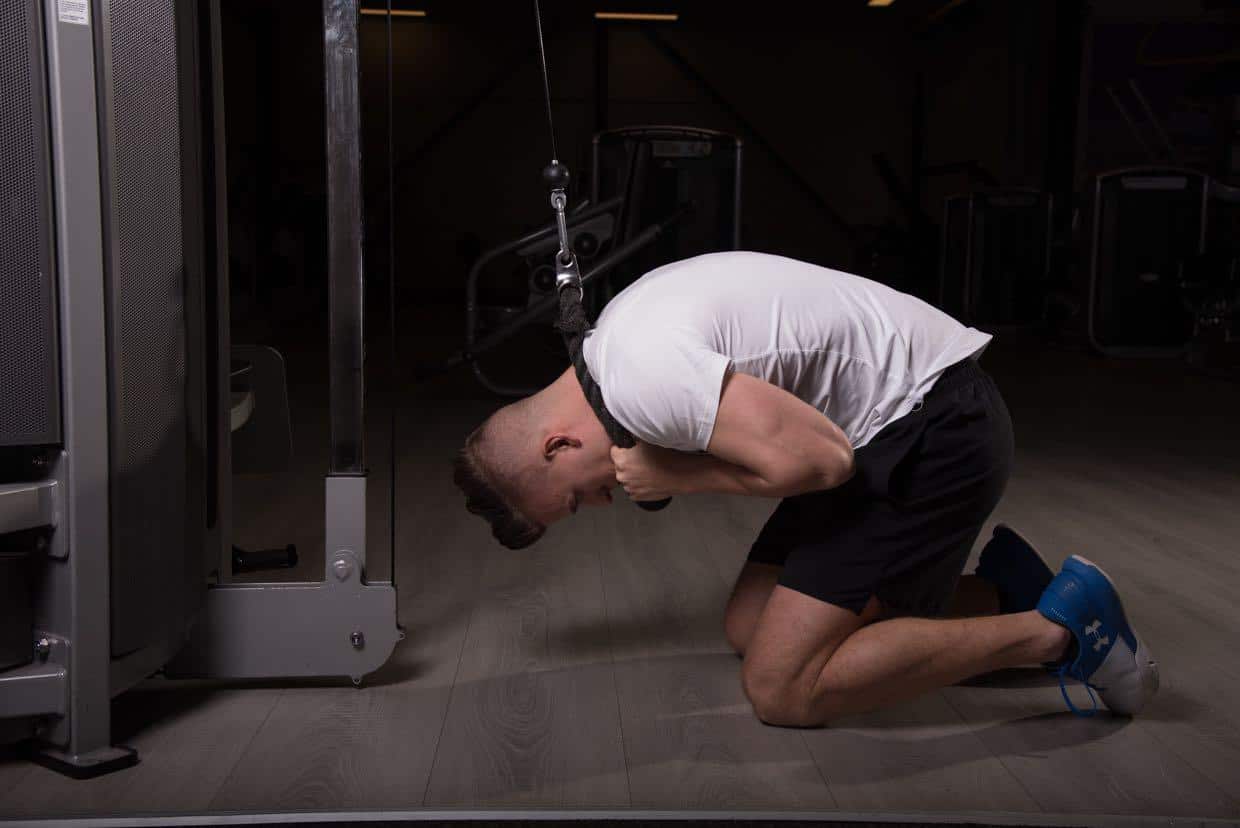
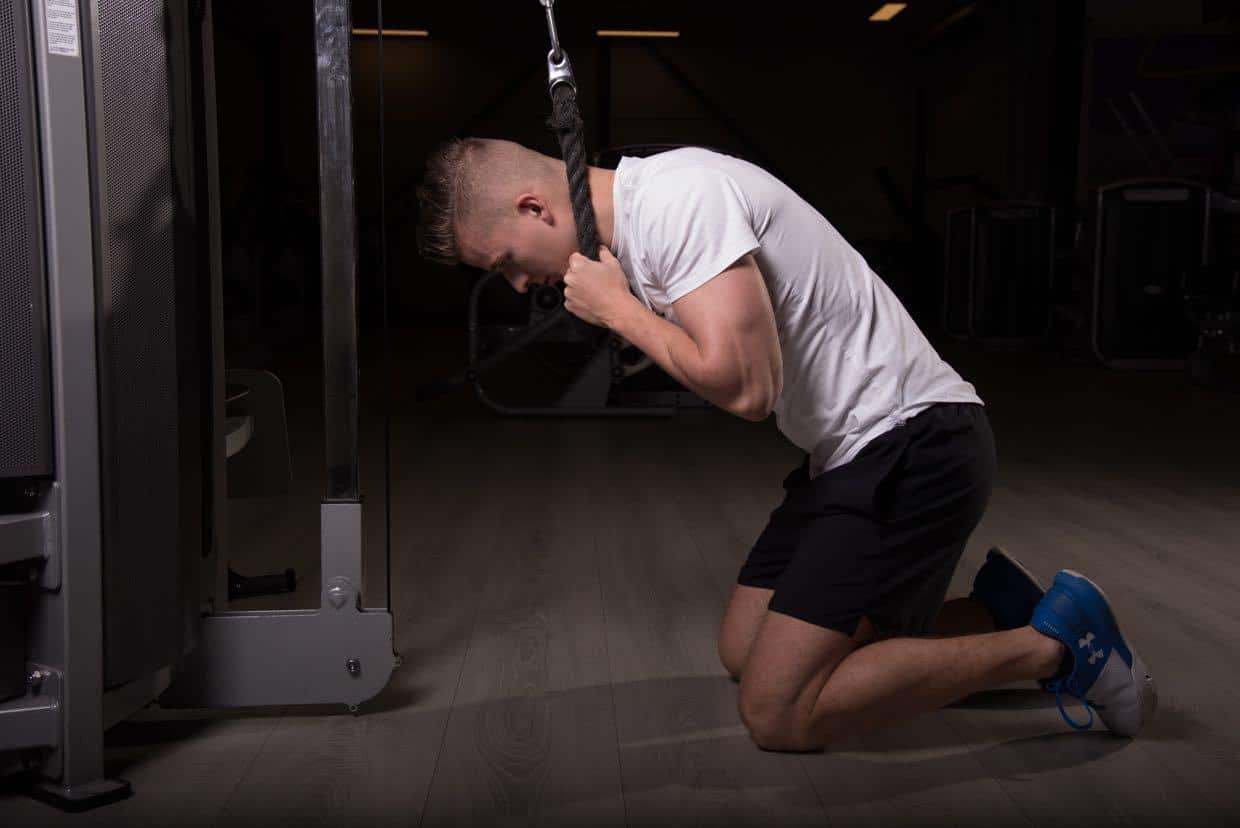
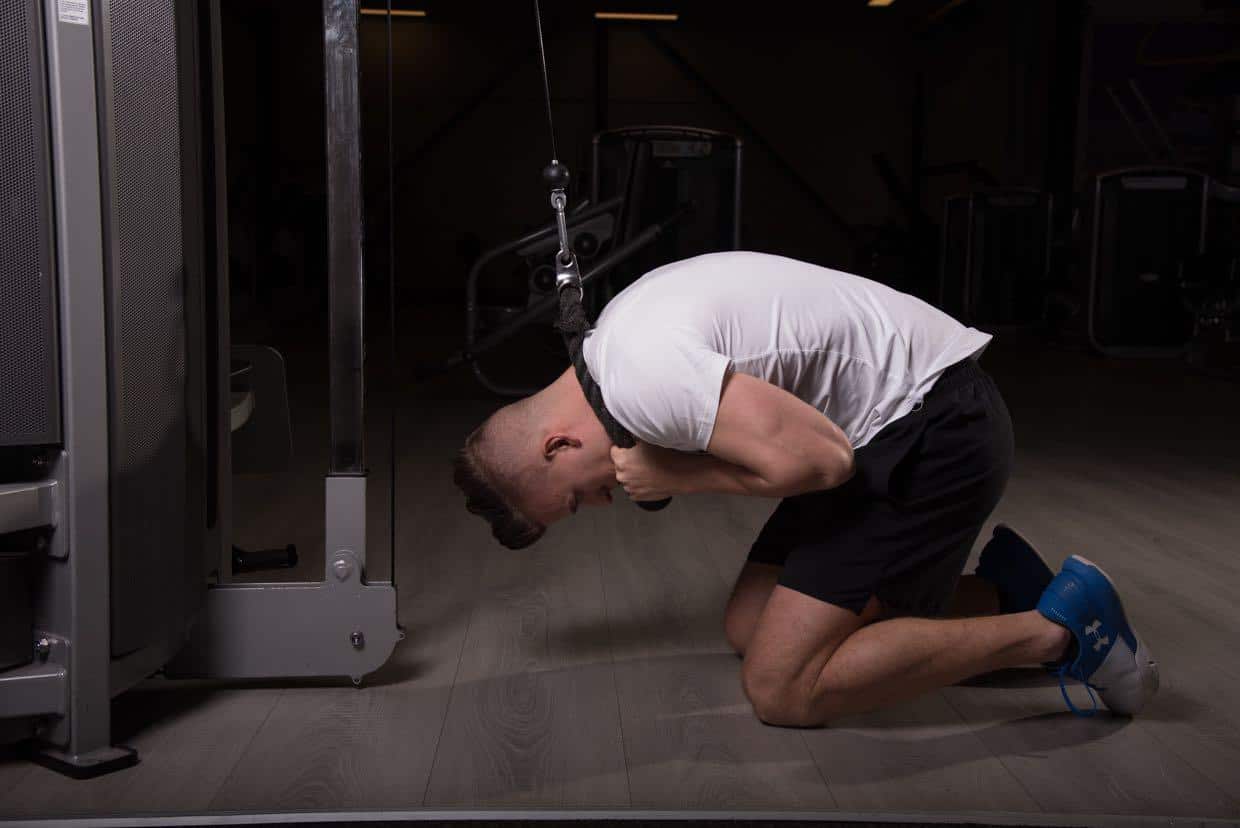
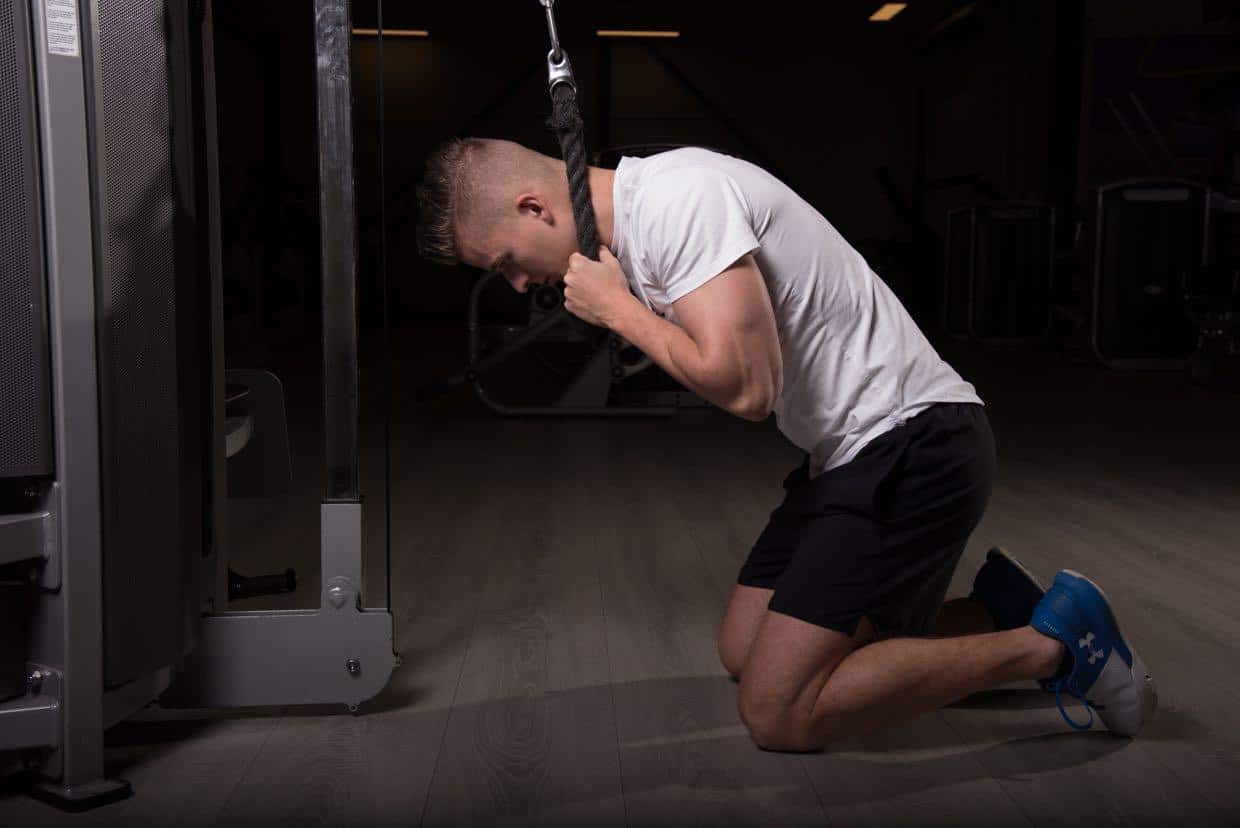
Cable kneeling crunch execution
-
1
Bring your chest toward your pelvis by contracting your abdominal muscles. Concentrate on curving your spine (rounding your back), not on lowering your torso. Try to bring your forehead toward your knees rather than your chest toward the floor.
-
2
Hold the tension for 1 to 2 seconds.
-
3
Straighten your torso again.
Cable kneeling crunch
Active muscles:
Abdomen:
- Rectus abdominis (rectus abdominis muscle)
- Obliquus externus abdominis (external oblique muscle)
- Obliquus internus abdominis (internal oblique muscle)
- Musculus transversus abdominis (transverse abdominal muscle, or ‘corset muscle’)
Pelvis (depending on execution):
- Psoas major
- Iliacus
Legs (depending on execution):
- Rectus femoris
- Sartorius
Cable kneeling crunch preparation
- Attach the double rope to the machine and select the desired weight.
- Kneel facing the cable machine. At the correct distance from the machine, your upper body bends forward at an angle of approximately 45 degrees when your head is directly beneath the cable.
- Hold the rope with your hands resting on the upper part of your chest. Keep your upper arms against your sides.
Cable kneeling crunch technique
When training the abdominals, muscles in the pelvis and upper legs are often also engaged unconsciously. This also happens when the torso is brought too far toward the upper leg during a Crunch .
During Crunch exercises, therefore, concentrate on curving your spine (as if you were being punched in the stomach). When you bring your entire torso up, you begin to engage the aforementioned muscles in the pelvis and upper legs more. With the cable kneeling crunch, the tendency to move from the torso may be even greater.
However, the abdomen and hips should be moved as little as possible and therefore should not tilt far forward.
Avoid hyperextension
The resistance of the cable can also cause you to overarch your back on the way up. Do not bring it back beyond its natural curve before rounding it again on the way down.
Why place your hands on your chest?
You often see this exercise performed with the hands at ear level. There is nothing necessarily wrong with that. However, it does mean that the elbows come forward and that more tension is placed on the back muscles to hold the arms in that position while the cable is pulling. There may also be a tendency to actively involve the back muscles and even the triceps.
By resting the hands on a fixed point of the body, you avoid the tendency to let the back and arms assist. For the same reason, you may also see the hands placed on the forehead. However, this can have the disadvantage of causing you to assist with the neck muscles.
Alternatives
- Crunches (arms down)
- Sit Ups
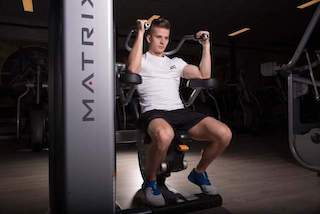
- Crunch Machine
- Cable kneeling Crunch
- Ball Crunch
Run your fitness business with more structure
- Planning, member management and coaching in one platform
- Built for coaches, studios and gyms
- Fewer separate tools, more overview