Choosing fitness software is one step. Implementing it well is what decides whether your team will actually use it. In recent conversations with studio owners, personal trainers and online coaches, the same pattern keeps showing up: most people are not worried about software itself. They are worried about the transition. What happens to existing clients? How do coaches adapt? How do you prevent workout plans, check-ins, payments and scheduling from becoming messy for a few weeks?
Those concerns are valid. A platform only works when it fits the daily operation. That is why implementation should not be treated as a technical task. It is the process of organizing your coaching workflow more clearly. This guide gives fitness studios, personal trainers and coaching teams a practical checklist for switching without chaos.
What recent conversations tell us
The most common questions are rarely about one isolated feature. Coaches want to know how everything connects: member management, training, nutrition, check-ins, scheduling, payments and a professional client experience. That connects directly to the broader choice between scattered tools and one platform. At first, separate tools feel fast. Later, the same flexibility can create errors, repeated admin and confusion for clients.
Implementation is also a recurring concern. Studios do not want a project that takes months before it creates value. Personal trainers do not want to lose a day to admin. Teams want to know who does what. The best approach is to start small, make clear decisions and move only the workflows you actively use.
Start with the workflow, not the feature list
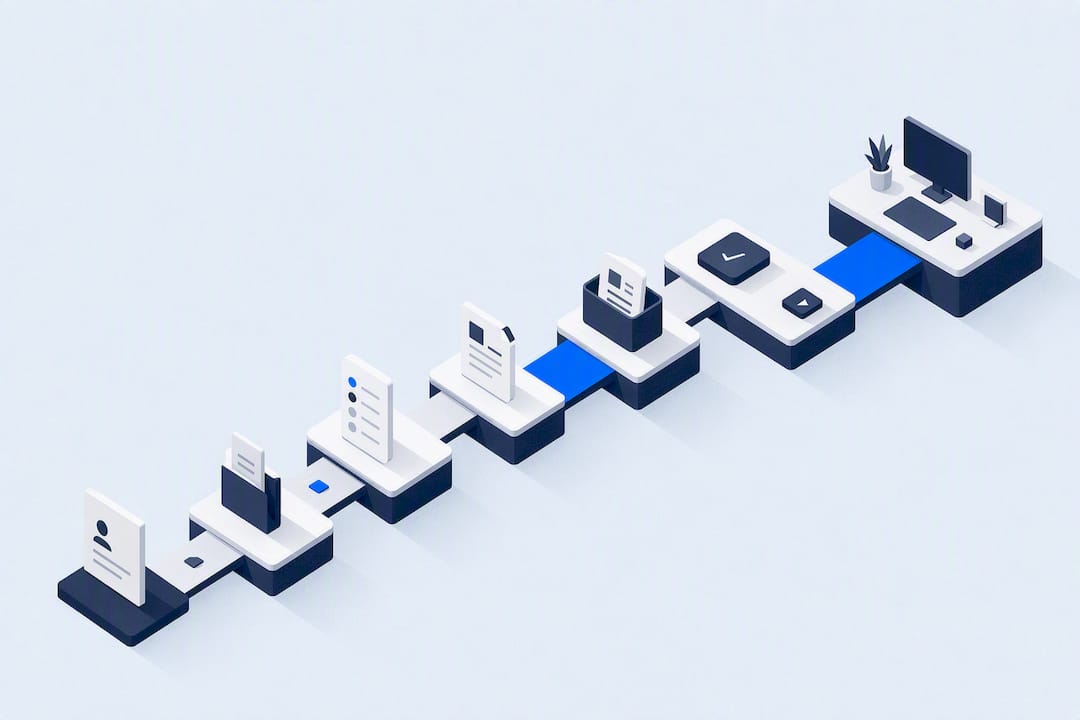
A common mistake is judging software by a long list of features. Features matter, but they only matter when they support your workflow. Start with one simple question: how does a client move from intake to result in our business?
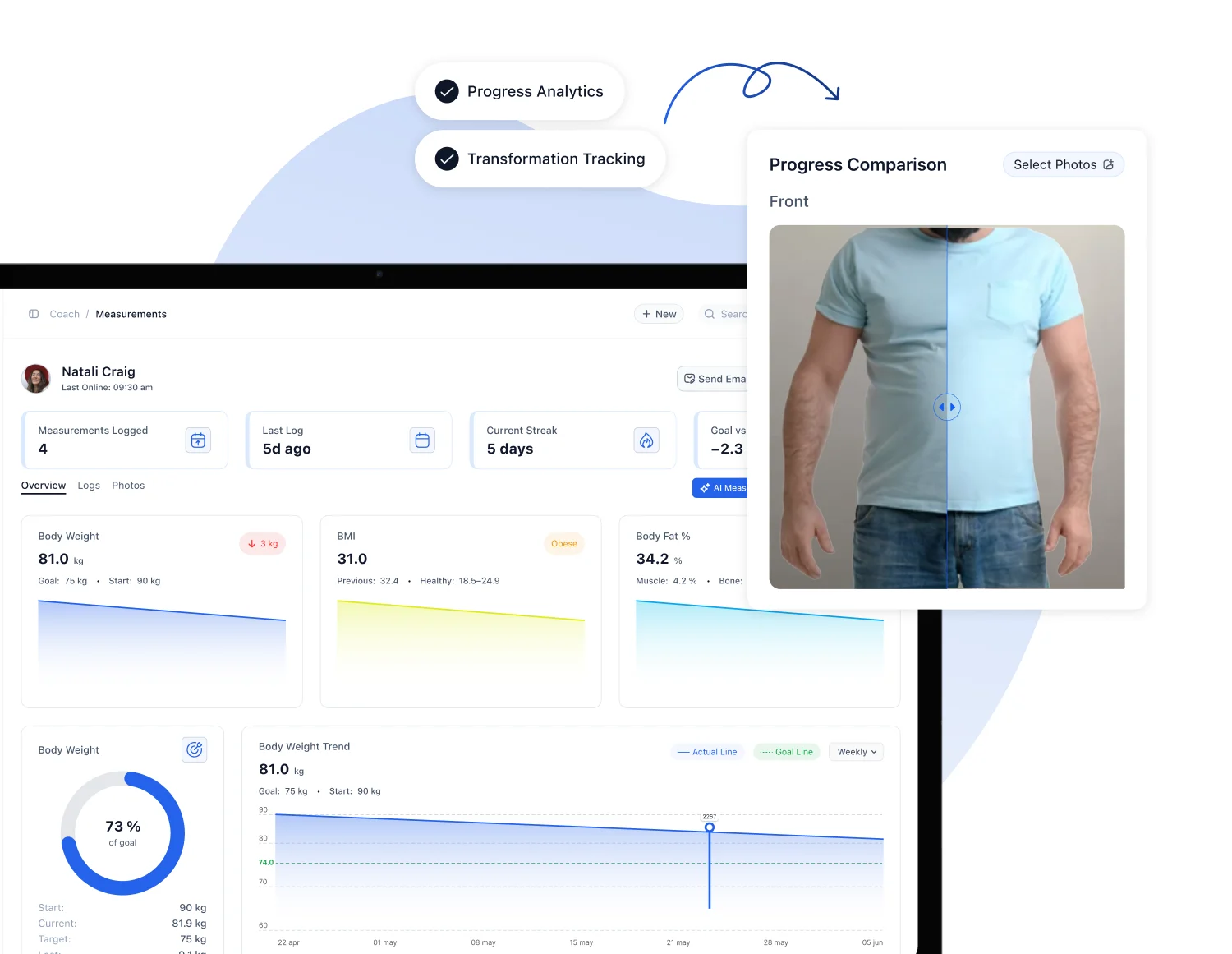
For a personal trainer, that route might be intake, goal setting, subscription, workout plan, weekly check-in, nutrition guidance, progress measurement and review. For a studio, scheduling, credits, attendance, multiple coaches and group sessions may be part of the same route. For online coaching, habits, macros, progress photos, messaging and program adjustments may be more important.
Write that route down before you migrate anything. Otherwise you risk copying old clutter into a new system. Good fitness software should simplify the process, not simply digitize it.
Preparation checklist
A smooth rollout starts with cleanup. Use this checklist before inviting clients or coaches:
- Client data: decide which fields are essential, such as name, contact details, goal, active service, subscription and key agreements.
- Training: collect only current workout plans, templates and exercise libraries that you still use.
- Nutrition: decide whether you work with recipes, macro targets, photo feedback, habits or fixed check-in questions.
- Scheduling: define availability, cancellation rules, credits, no-shows and attendance tracking.
- Payments: decide which products, subscriptions, invoices and open balances must be visible from day one.
- Roles: agree what owners, coaches, back office and clients can edit.
This preparation does not need to take weeks. The main point is to make decisions. A partial migration with too many exceptions feels more chaotic to clients than a smaller, clearer launch.
A practical 30-day rollout plan
For most studios and personal trainers, four short phases work better than one big launch.
Week 1: choose the structure
Start with the basics: services, subscriptions, coach roles, client groups and the tags you actually need. Do not move every historical detail immediately. Set up the structure you want to use for the coming months.
Week 2: build templates
Create templates for intake, check-ins, workout plans, nutrition guidance and standard messages. This is often where the biggest time saving appears. If every coach keeps using a different document, the team stays fragmented.
Week 3: migrate active clients
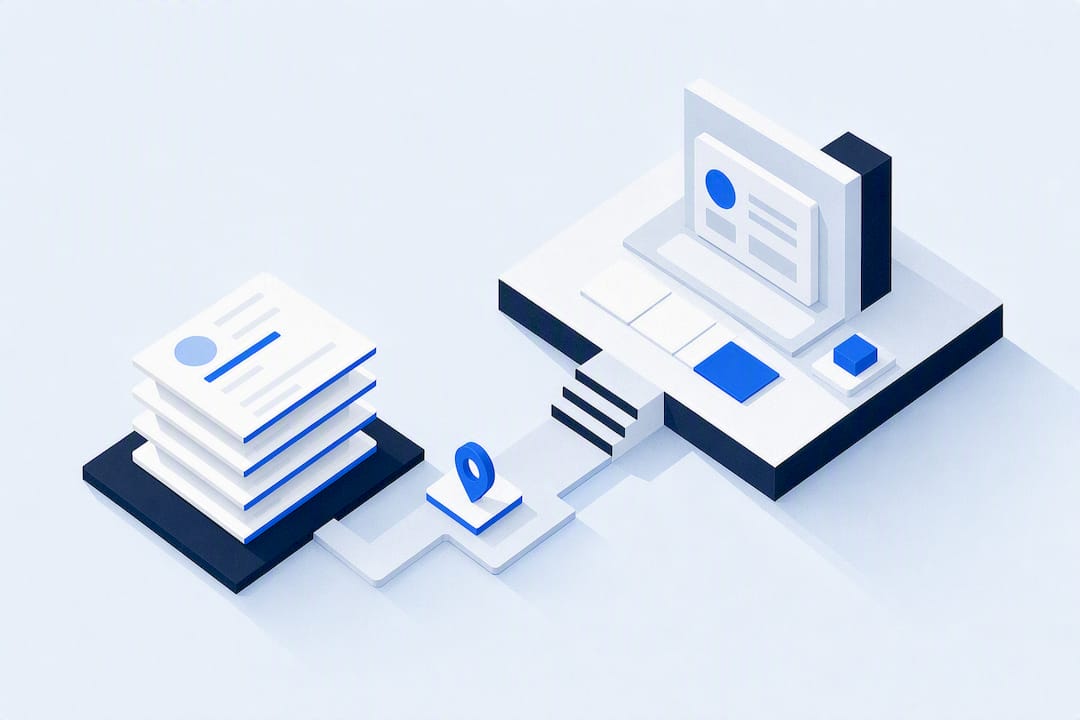
Move active clients first. Give each client a clear service, current program, next appointment and visible action. Historical data can be added later when there is a real reason to use it.
Week 4: client communication and follow-up
Tell clients what changes, where they can find their program and which channel they should use for questions. Then plan two short review moments: one after the first week and one after the first month. That lets you catch confusion early.
Common implementation mistakes
The biggest rollout mistakes are not technical. They are about scope and behavior.
- Trying to migrate everything at once. The transition takes too long and momentum disappears.
- No internal owner. Without one responsible person, decisions keep waiting for someone else.
- Keeping old workflows alive. If WhatsApp, spreadsheets and separate invoices remain the default, nobody gets one overview.
- Informing clients too late. A short explanation before launch prevents many support questions.
- Skipping templates. Without templates, every team member uses the system differently.
The solution is not heavier project management. It is sharper scope. Start with the workflows you use every week. Rare exceptions do not need to be perfect on day one.
What to set up first in FITsociety
If you mostly coach one-to-one clients, start with personal training software: clients, programs, progress, appointments and communication. If most coaching happens remotely, set up the core of online coaching software: check-ins, habits, nutrition guidance, programs and feedback moments.
For studios with multiple coaches, coaching software is broader than workout planning. Think about roles, team agreements, member management, scheduling and reporting. If scheduling, payments or measurements need to connect with other systems, check the relevant integrations early.
The goal is to give clients one clear environment. Not five places to check, but one place for their program, appointments, progress and actions.
How to know the rollout worked
Do not measure only whether the software is technically live. Measure whether your way of working has improved. Use simple signals:
- New clients are fully set up within one working day.
- Coaches can find programs, check-ins and client notes without searching.
- Clients ask less often where something is stored.
- Payments, subscriptions and open balances are visible without separate admin.
- Team members use the same templates and agreements.
When these points are true, your rollout is not just complete. It has been adopted.
FAQ
How long does it take to implement fitness software?
For a personal trainer or small studio, a usable setup is often possible within a few weeks. The total timeline depends mostly on the number of active clients, templates, products, scheduling rules and payment workflows you want to include.
Do I need to migrate all historical client data?
No. Move active clients and the information needed for current coaching first. Old notes, expired plans and historical admin can be added later if there is a clear reason.
How do I prevent resistance from coaches?
Do not give coaches an empty system. Give them a workable standard: templates, example clients, clear roles and short agreements about what goes where. Then collect feedback while keeping the core process consistent.
When should I inform clients about the change?
Inform clients shortly before their environment is ready. Explain where they will find their program, schedule, check-ins and messages. Keep the explanation short and practical.
Can I start small and expand later?
Yes. That is usually the best approach. Start with client management, programs, scheduling and check-ins. Add nutrition, payments, automation and reporting once the basics are stable.
Conclusion
Implementing fitness software without chaos mainly requires focus. Define your workflow, build templates, migrate active clients first and communicate clearly. Then software becomes the structure that makes your coaching scalable, not another project next to your coaching.
Want to compare your current workflow with FITsociety? Book a demo and bring your client journey, tools and key processes as the starting point.