Many personal trainers start with whatever works today: intake forms, spreadsheets, WhatsApp, separate workout apps, payment links and a few notes in between. That is not a bad starting point. It keeps you moving while your offer is still taking shape.
Based on anonymized patterns from conversations with personal trainers, online coaches and studio owners, one question keeps coming back: when does a flexible tool stack become the thing that slows your business down? This guide helps you make that call.
Why separate tools feel useful at first
Separate tools are quick. You do not need a full setup, the cost is usually low and you can adapt per client. For a new coach, that flexibility matters. You learn what clients ask for, how you want to deliver coaching and which information you need to keep track of.
The problem usually starts later. As your client base grows, your admin starts competing with your coaching. You search through chat history, copy programs, chase check-ins, reconcile payments and explain again where clients can find their plan.
Signs your current setup is too fragmented
Your tools are becoming a bottleneck when coordination takes more energy than coaching. Watch for these signs:
- WhatsApp has become your support channel, archive, food diary and check-in system at the same time.
- Workout plans are spread across spreadsheets, PDFs and separate apps.
- Clients often ask where their schedule, invoice or program lives.
- You lack one overview of progress, attendance, payments and open tasks.
- Every new client creates the same manual setup work again.
These are not just small annoyances. They are operational leaks. They make your service less consistent and make growth feel heavier than it should.
What strong personal trainer software should bring together
Good personal trainer software should not replace your coaching style. It should bring the recurring work into one place so you can spend less time switching systems.
1. Client management and progress
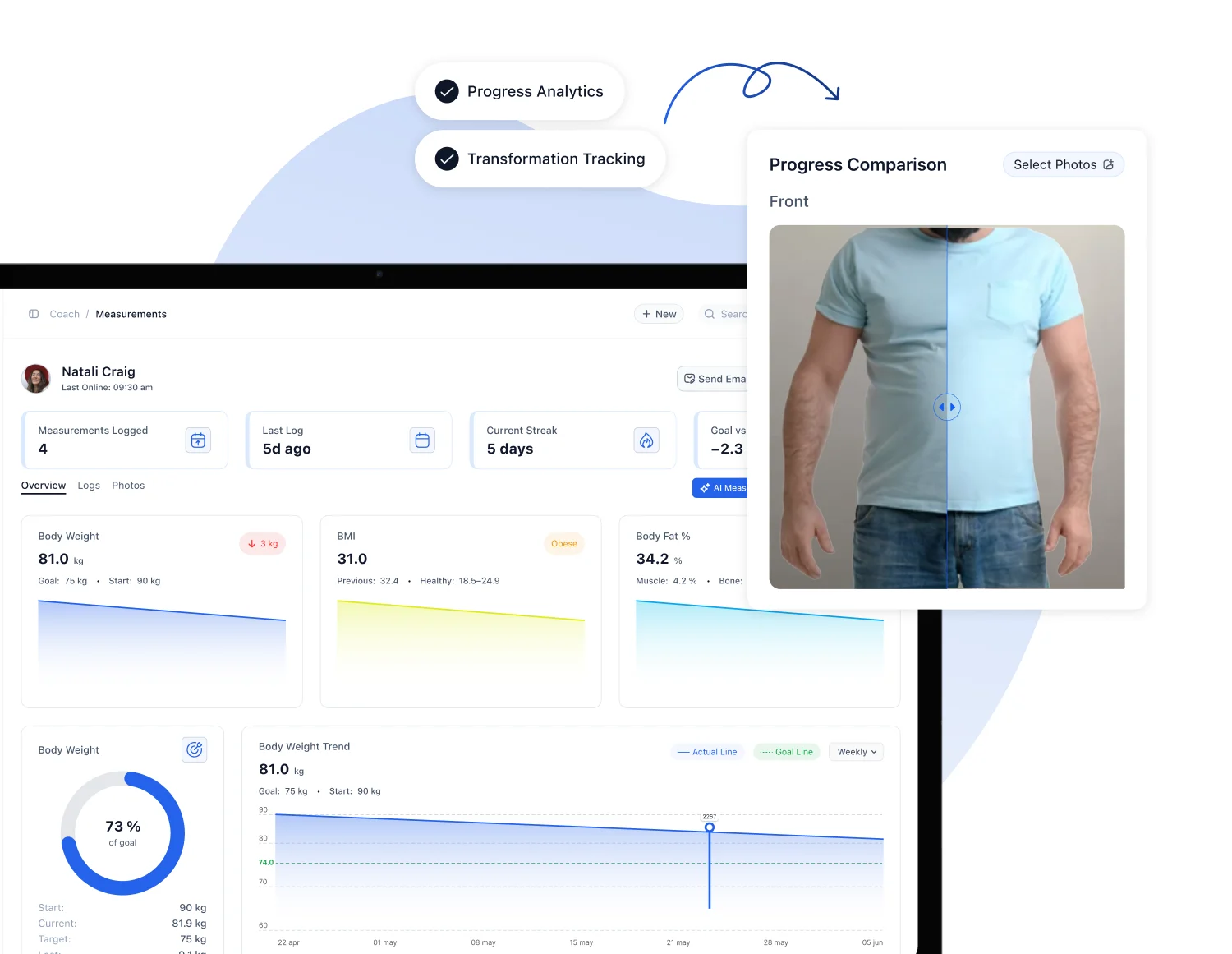
You need one view of each client: goals, agreements, active program, progress and notes. That keeps important context out of scattered chats.
2. Workout programming
Programs should be easy to build, reuse and adjust. For hybrid coaching, it should be clear which sessions happen in person and which actions clients complete on their own.
3. Nutrition, habits and check-ins
If nutrition is part of your offer, meal guidance, macro targets, habits and weekly check-ins should sit next to training and progress. For remote delivery, this naturally connects with online coaching software.
4. Scheduling, credits and attendance
Once you combine one-to-one sessions, small group training or packages, planning becomes more than a calendar. You need bookings, credits, cancellations and attendance in one workflow.
5. Payments and subscriptions
Payment links are fine at the start, but they become hard to manage with subscriptions, packages or multiple services. Your software should show invoices, payments and open balances clearly.
6. A professional client experience
Clients notice the experience around your coaching. A branded app or client portal gives them one place for programs, progress, appointments, messages and actions.
Separate tools versus one platform
| Area | Separate tools | One platform |
|---|---|---|
| Communication | Chats and separate agreements | Messages connected to clients and programs |
| Training | Spreadsheets, PDFs or standalone apps | Programs, execution and progress in one environment |
| Nutrition | Photos, notes and loose feedback | Macros, recipes, check-ins and feedback together |
| Scheduling | Calendar plus manual admin | Bookings, credits, attendance and cancellations connected |
| Payments | Payment links and separate invoices | Subscriptions, invoices and open balances visible |
When not to switch yet
You do not need a full platform on day one. If your offer is still changing and you coach only a few clients, a simple setup can be enough. Switch when your workflow is stable enough to standardize.
The best moment is usually when you notice the same manual tasks every week: copying programs, checking payments, chasing check-ins, updating documents or answering where something is stored.
A practical migration plan
- Map your current stack. List where client data, workouts, nutrition, scheduling and payments live today.
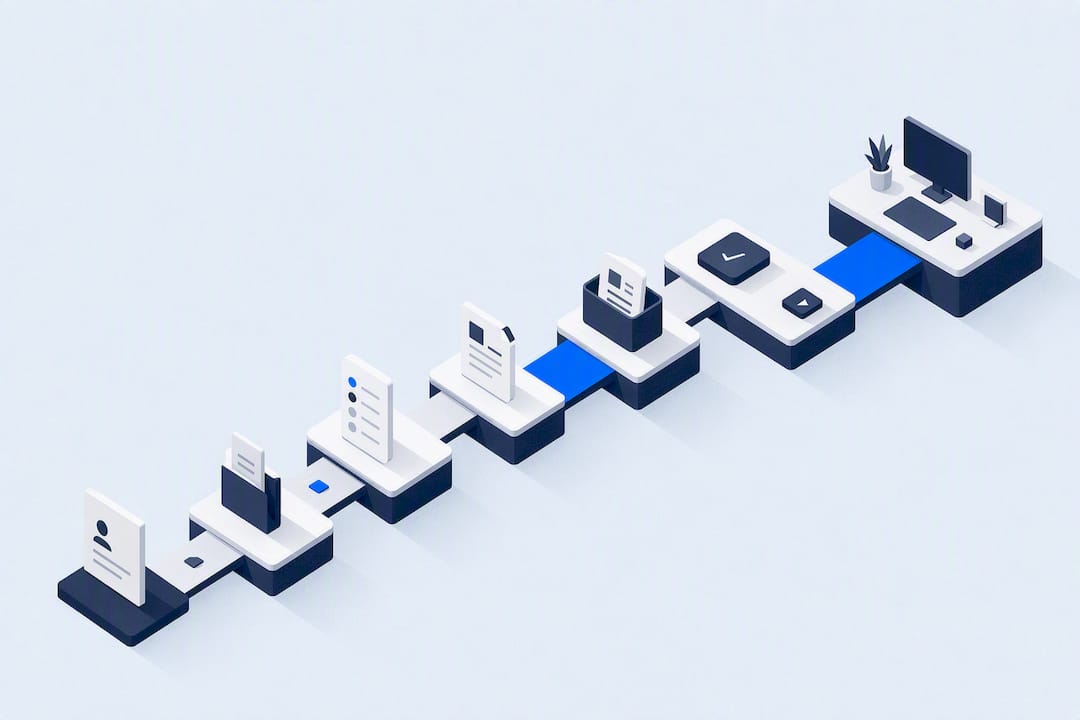
- Define your client workflow. Decide how a client moves from intake to coaching, payment and review.
- Migrate active clients first. Do not move your full history immediately; start with current clients.
- Create templates. Build reusable intake questions, check-ins, program formats and nutrition guidance.
- Explain the new flow. Tell clients where they will find their program, schedule and actions from now on.
Which FITsociety route fits your business?
If you mainly coach one-to-one clients, start with personal training software. If most coaching happens remotely, compare online coaching software. For studios or teams, look more broadly at fitness software or coaching software. If your main concern is connecting payments, calendars or measurements, review the integrations.
FAQ
What software does a personal trainer need?
At minimum: client management, workout programming, progress tracking, communication and payments. If nutrition is part of your service, add nutrition plans, macro targets and check-ins.
Can I keep using WhatsApp?
Yes, but use it intentionally for quick messages rather than as your main archive. Important agreements, workouts, check-ins and payments should live in your system.
When does personal trainer software pay off?
Usually when you have enough repeated work: check-ins, planning, payments, program changes and client questions. The return is not just time saved, but fewer mistakes and a better client experience.
Is all-in-one software better than specialist apps?
Not always. Specialist apps can be strong for one task. A platform becomes stronger when you want one clear client experience and fewer systems to maintain.
Conclusion
Separate tools are a useful starting point, but they are not a scalable operating system. Once coaching, nutrition, planning and payments become part of one service, overview matters more than improvisation.
Want to see what this could look like for your business? Book a FITsociety demo and use your current tool stack as the starting point.