Treadmill Jogging Speed
If you are looking for an effective cardio exercise that can help you burn calories, improve your endurance, and strengthen your heart, Treadmill Jogging Speed is for you. This exercise offers a unique combination of convenience and adjustability, making it an excellent choice for both beginners and advanced athletes.
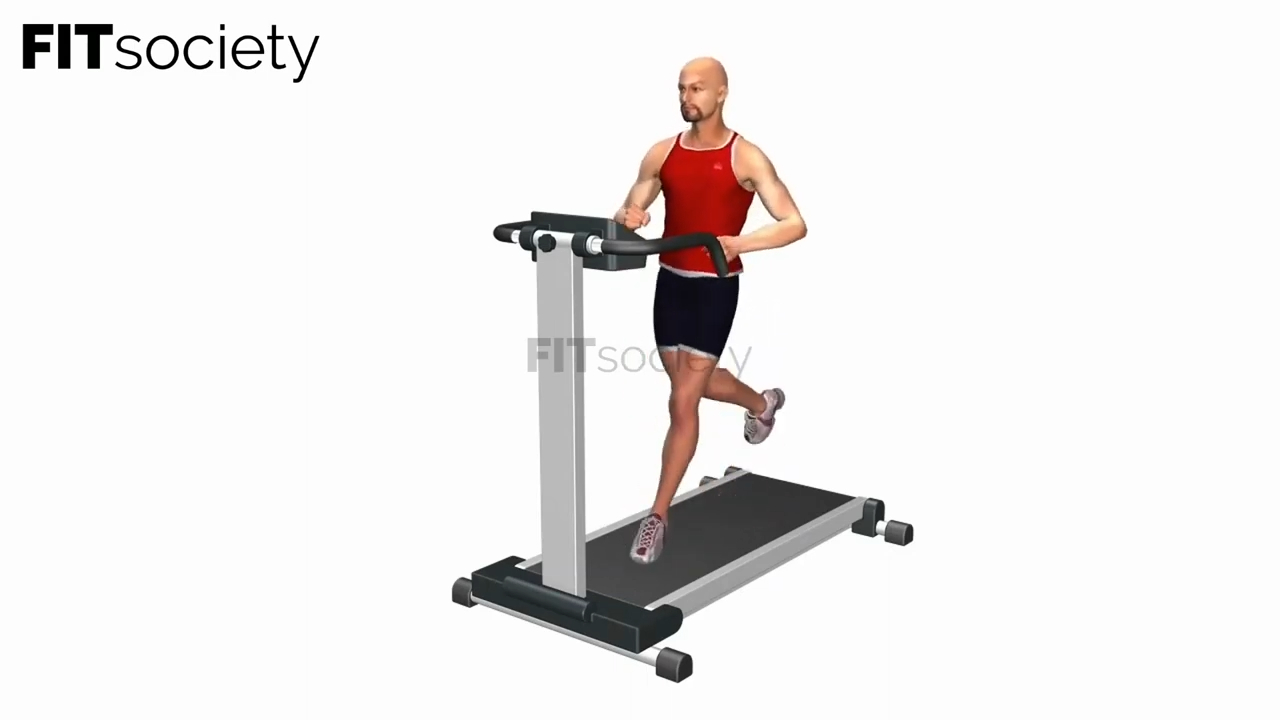
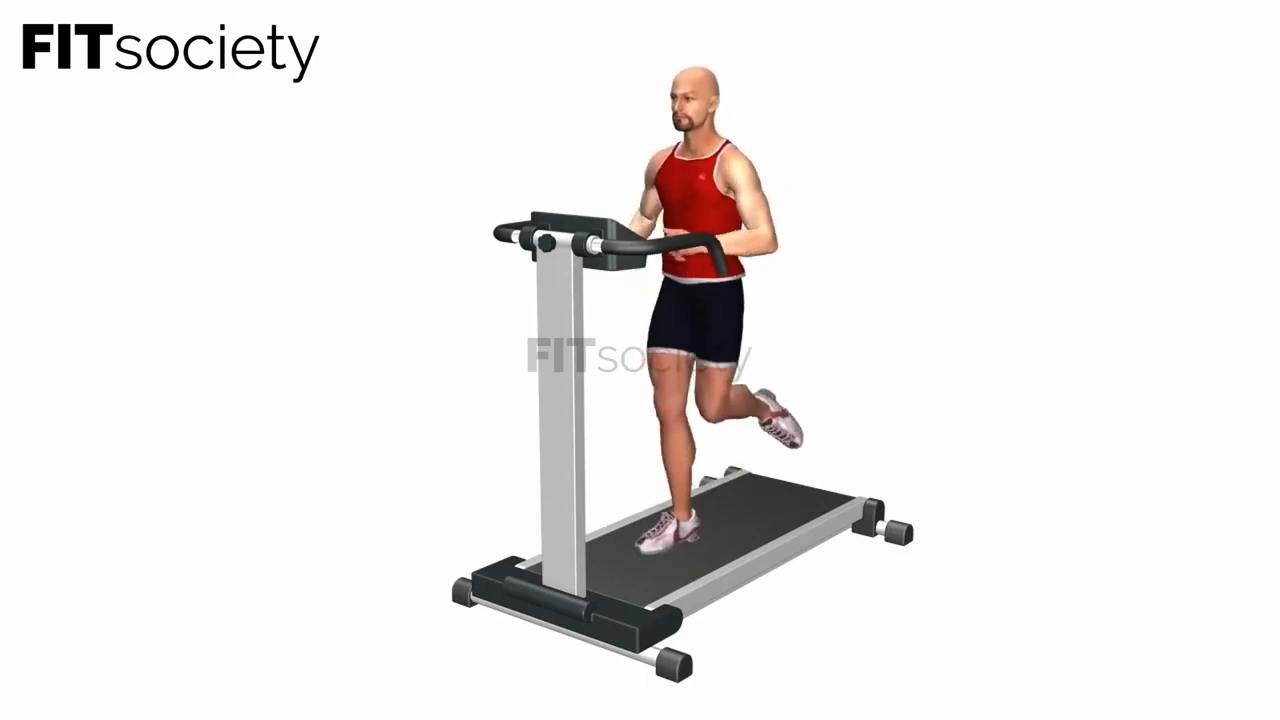
Execution
-
1
Start by setting the treadmill to a slight incline (1-2%) to simulate jogging on an outdoor surface.
-
2
Set the speed to a comfortable pace at which you can jog without overexerting yourself. For beginners, this may be around 5-6 km/h, while advanced athletes can go faster.
-
3
Place your feet on the sides of the treadmill and start the belt. Carefully step onto the moving belt and begin jogging.
-
4
Keep your back straight, look forward, and hold your arms at a 90-degree angle while moving.
-
5
Try to maintain an even pace throughout the session. Adjust the speed as needed.
-
6
Finish your session by gradually reducing the speed and cooling down with an easy walk.
Benefits
- Improved cardiovascular health
- Effective calorie burning
- Increased endurance
- Strengthening of the lower-body muscles
- Flexibility in intensity and duration
Common Mistakes
- ! Starting too fast: Always begin with a warm-up and increase the speed gradually to prevent injuries.
- ! Incorrect posture: A rounded back or looking downward can lead to neck and back discomfort. Focus on keeping your back straight and looking forward.
- ! Keeping the same routine for too long: Vary your workouts to prevent the body from adapting and to continue seeing progress.
Primary Muscles
Treadmill Jogging Speed primarily targets the lower-body muscles, including the quadriceps, hamstrings, calves, and glutes. The core muscles are also lightly engaged for stabilization.
Possible Alternatives
- Increase the incline to raise the intensity and place more emphasis on the glutes and hamstrings.
- Add interval training by alternating between high speed and easy jogging or walking breaks.
- Use an external heart-rate monitor to monitor and adjust your effort for optimal cardiovascular training.
Run your fitness business with more structure
- Planning, member management and coaching in one platform
- Built for coaches, studios and gyms
- Fewer separate tools, more overview