Dumbbell Reverse Lunge Pulses
The Dumbbell Reverse Lunge Pulses is a dynamic exercise that combines strength and stability. By adding the pulse movement to the traditional reverse lunge, you increase the intensity and focus on the lower-body muscles. This exercise offers a unique way to tone your legs and glutes while also improving your core stability.
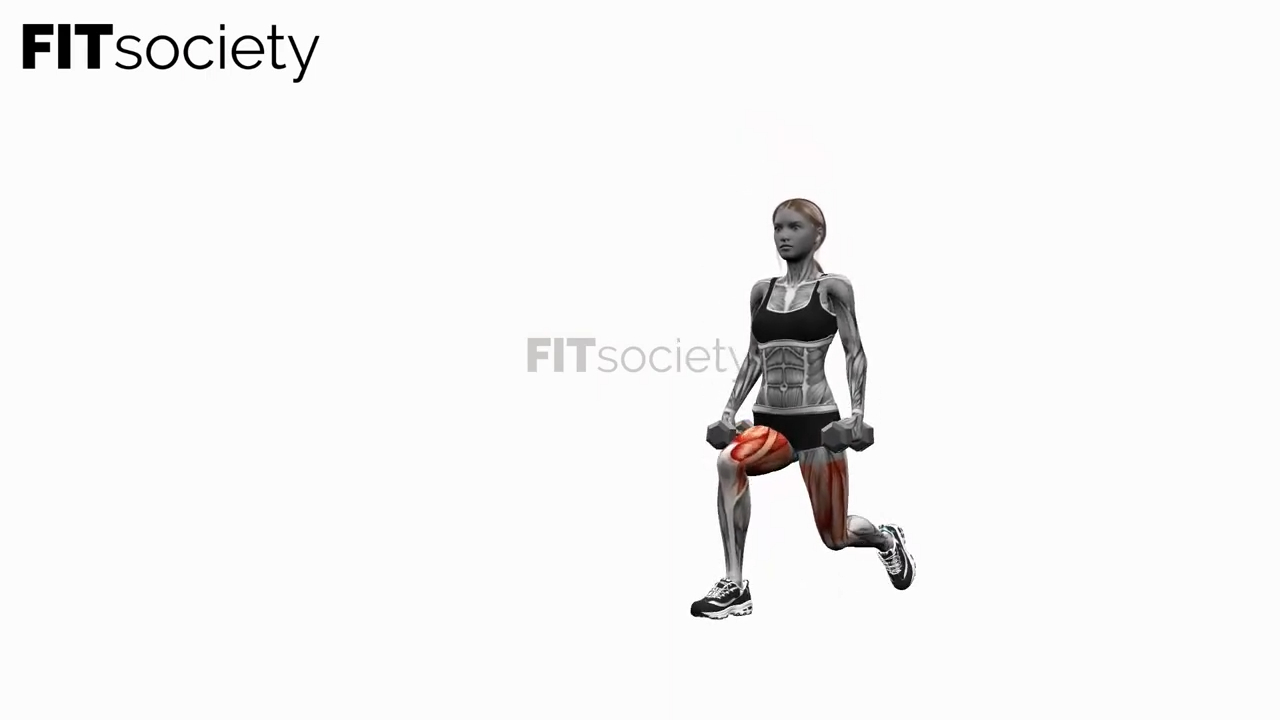
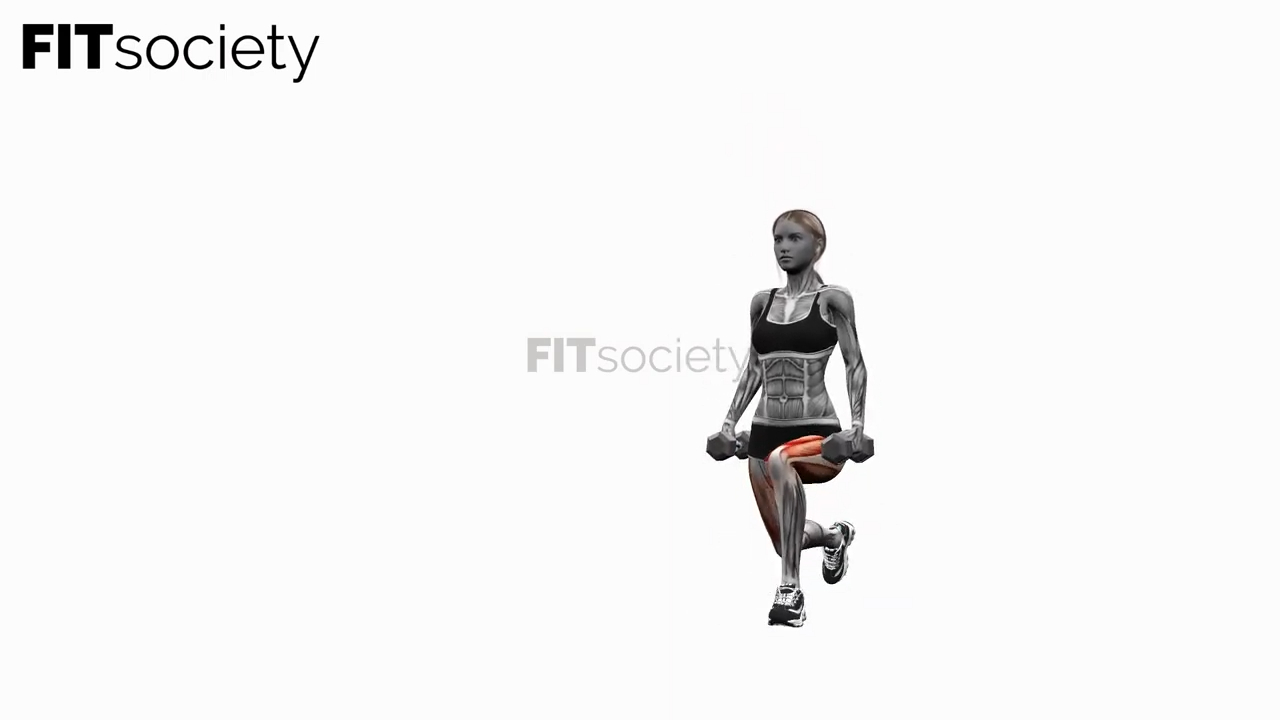
Execution:
-
1
Begin by holding a dumbbell in each hand at your sides. Stand upright with your feet hip-width apart.
-
2
Take a large step backward with your right foot and lower yourself into a lunge position, with your front knee at a 90-degree angle.
-
3
From this position, pulse by moving slightly up and down through a short range of motion before returning to the starting position.
-
4
Repeat the movement with your left leg and alternate sides for the desired number of repetitions.
Benefits:
In addition to toning your lower body, this exercise also helps improve your balance and coordination. Adding dumbbells increases the resistance, leading to higher calorie expenditure and an increase in muscle mass.
Common Mistakes:
- ! Leaning too far forward during the lunge, which can place pressure on the knees.
- ! Not lowering the knee of the rear leg far enough, which reduces the effectiveness of the exercise.
- ! Failing to keep your back straight, which can lead to unnecessary tension in the lower back.
Primary Muscles:
This exercise primarily targets the quadriceps, hamstrings, glutes, and core. The pulsing movement activates these muscles extra, leading to greater strength and endurance.
Possible Alternatives:
If you want to adjust the intensity, you can omit the dumbbells and perform the exercise using your body weight. For an extra challenge, try extending the pulsing movement or use heavier dumbbells. Another variation is adding a side leg lift at the end of each lunge to further activate the lateral glute muscles.
Run your fitness business with more structure
- Planning, member management and coaching in one platform
- Built for coaches, studios and gyms
- Fewer separate tools, more overview