Brisk Walking
Brisk walking is a simple yet effective cardiovascular exercise that you can perform anywhere. It requires no special equipment and can be a great way to raise your heart rate, improve your mood, and promote your overall health.
Benefits
The benefits of brisk walking are numerous. It improves cardiovascular health, strengthens the muscles, helps with weight loss by burning calories, reduces stress, and improves mental health. It may also improve sleep quality and reduce the risk of chronic diseases.
Common Mistakes
Common mistakes when brisk walking include poor posture, taking steps that are too long, not moving the arms sufficiently, and starting too quickly, which can cause you to become fatigued quickly. Make sure you begin with a proper warm-up and gradually build up your speed to prevent injuries.
Execution
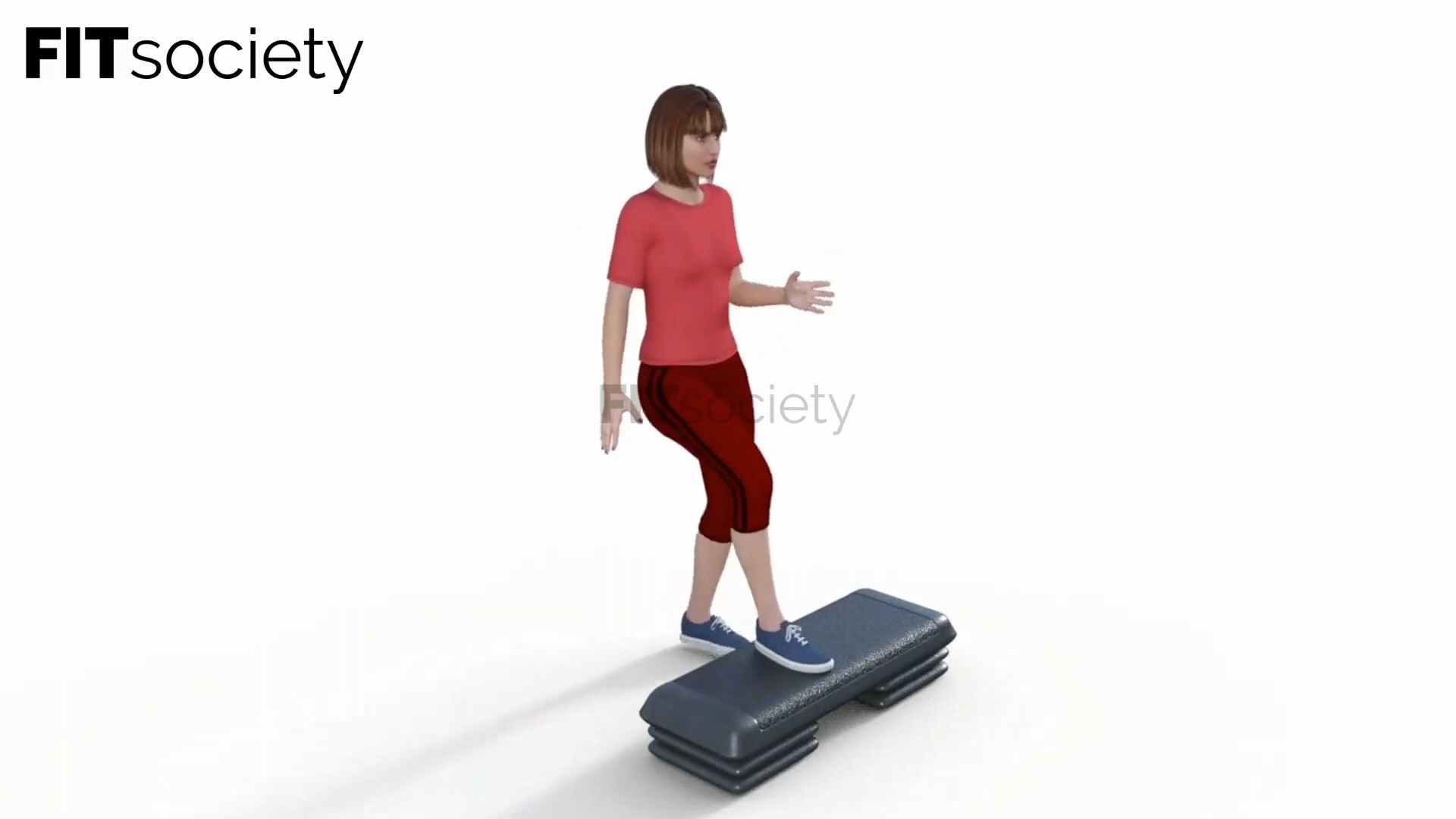
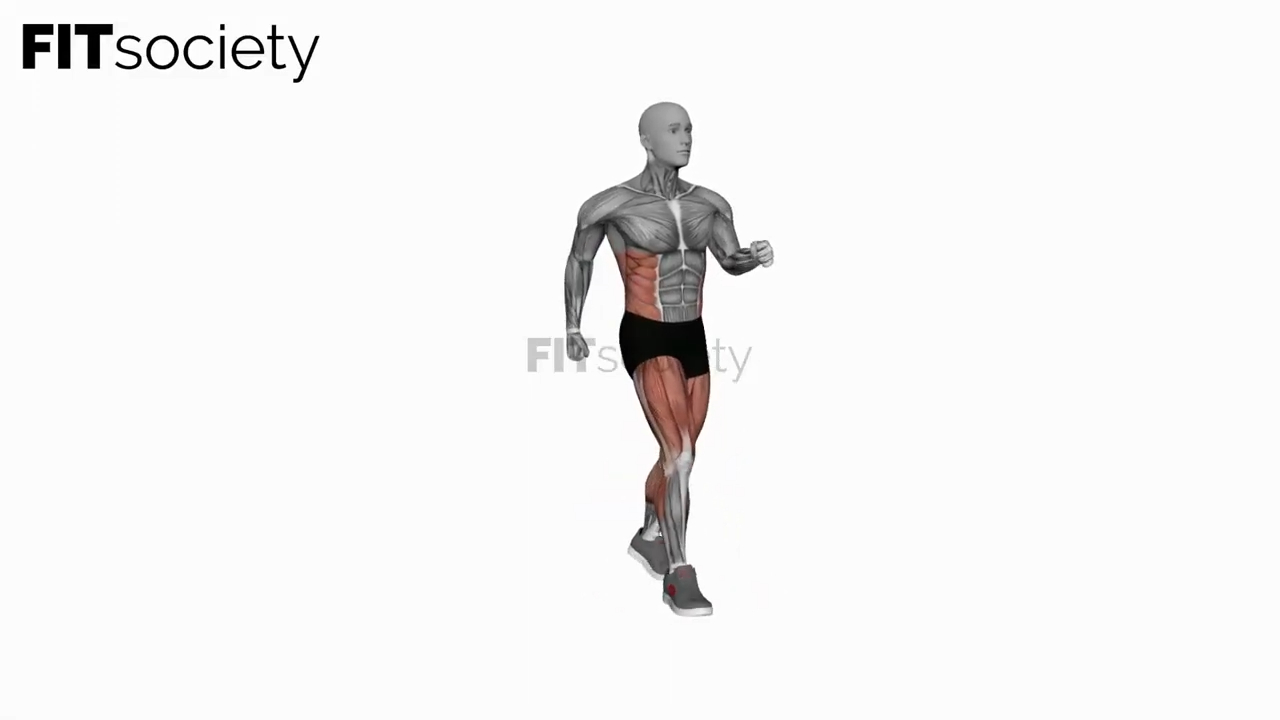
Begin in a comfortable, upright posture with your feet hip-width apart. Look straight ahead and keep your shoulders relaxed. Start walking at a natural pace to warm up. Gradually increase your speed until you are walking at a brisk pace while still being able to talk comfortably. Swing your arms naturally and ensure that your feet roll from heel to toe with each step. Try to walk continuously for at least 30 minutes for maximum effect.
Primary Muscles
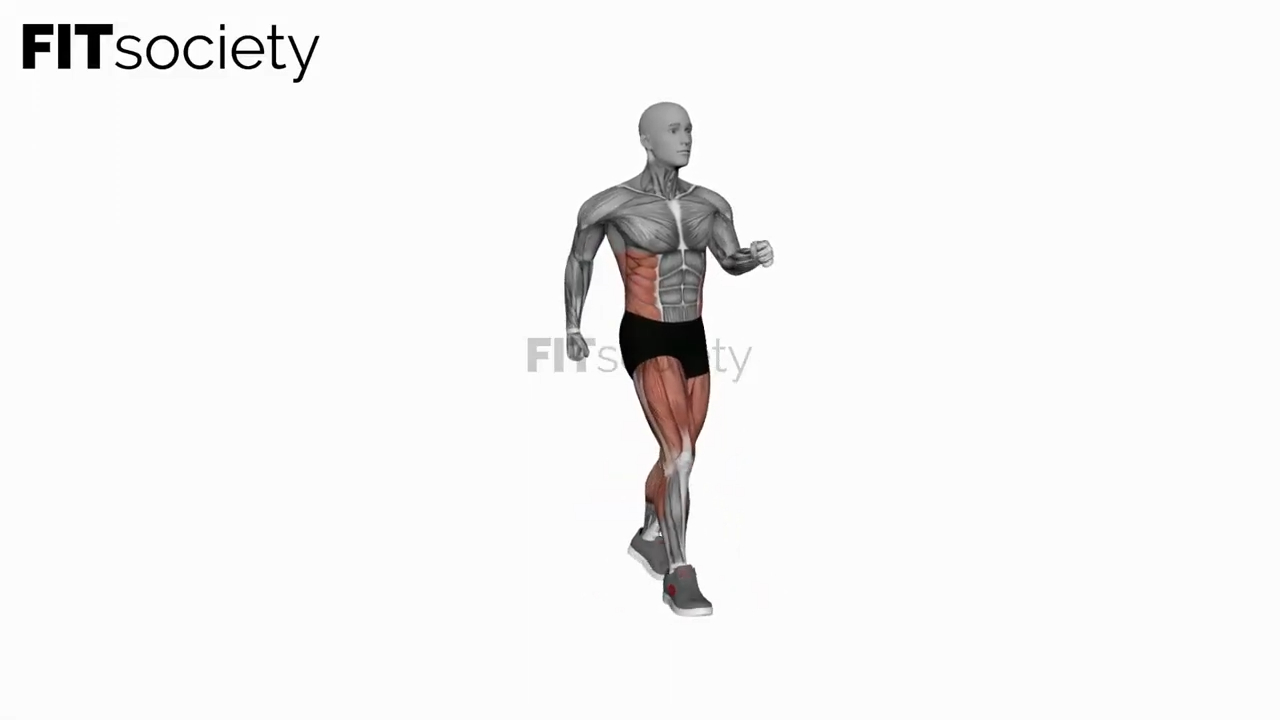
Brisk walking primarily trains the leg muscles, including the calf muscles, quadriceps, and hamstrings. The glutes, core, and, to a lesser extent, the arm muscles are also engaged through the natural arm movements.
Possible Alternatives
If you want to increase the intensity of your walking sessions, try adding interval training by alternating between jogging and walking. For a lower intensity, you can choose a leisurely walk in a natural environment. Other alternatives include Nordic walking, in which you use walking poles for extra stability and a more intensive upper-body workout.
Run your fitness business with more structure
- Planning, member management and coaching in one platform
- Built for coaches, studios and gyms
- Fewer separate tools, more overview