Alternate Oblique Crunch
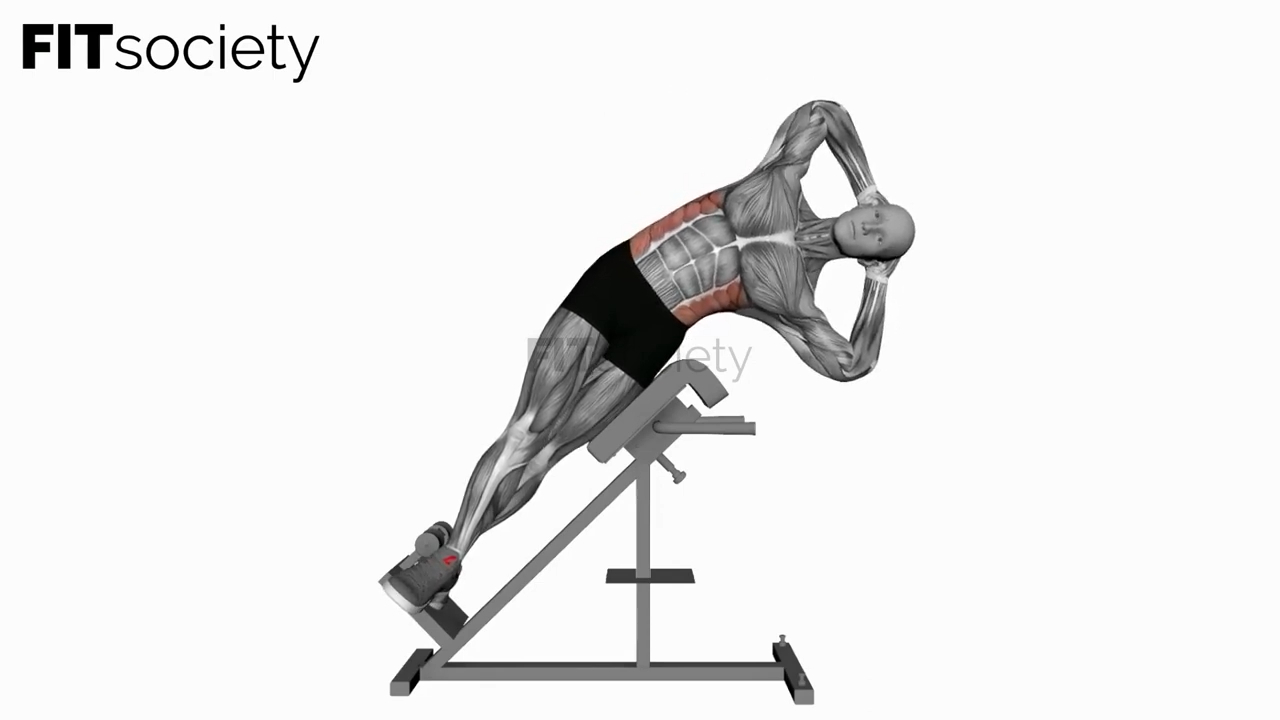
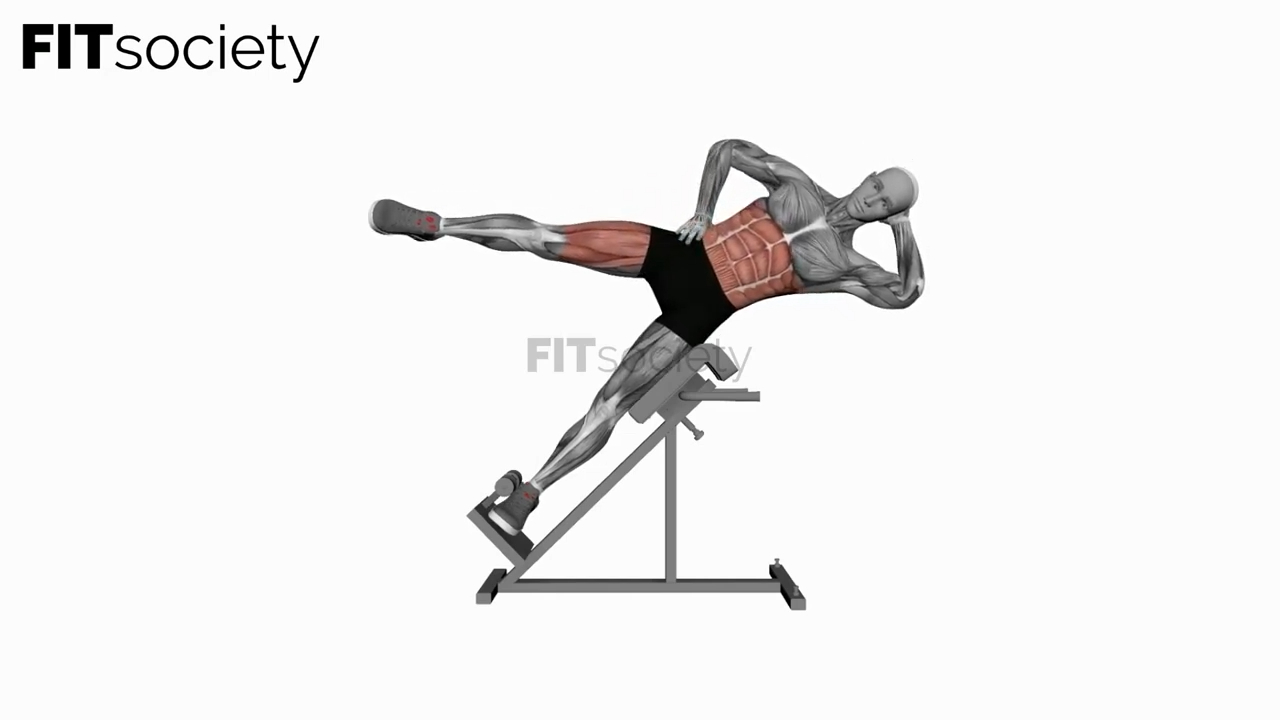
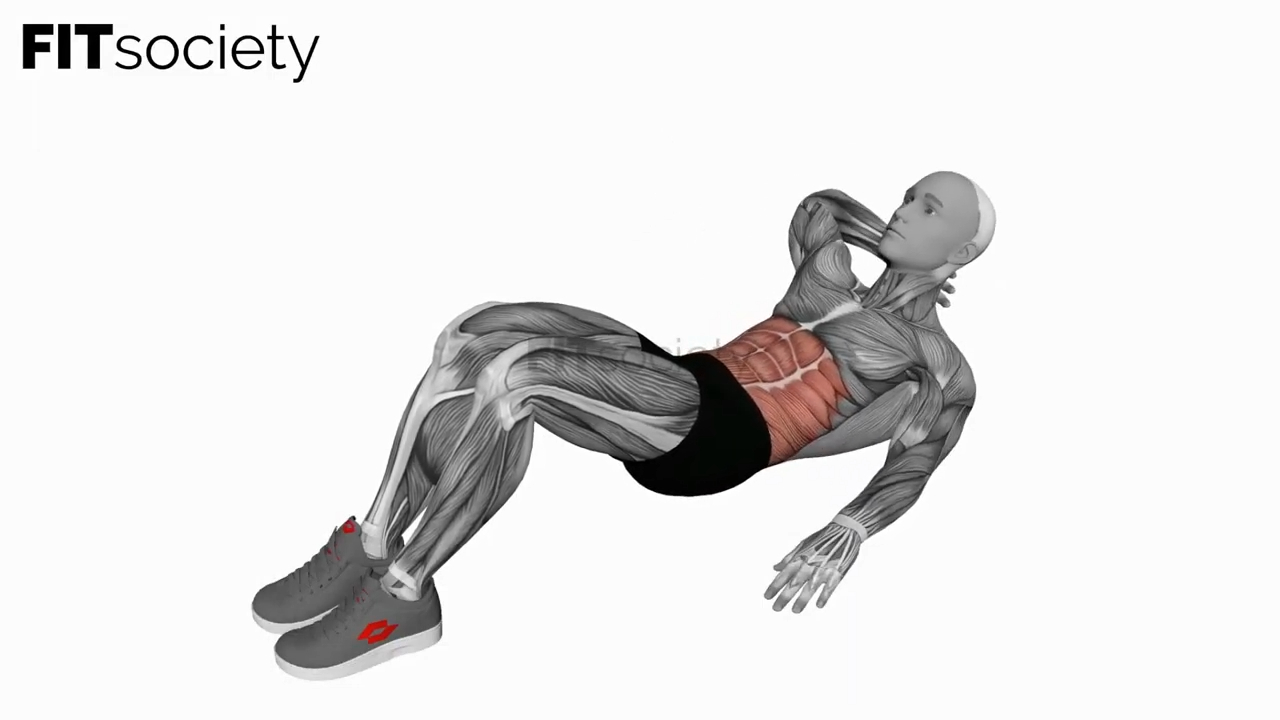
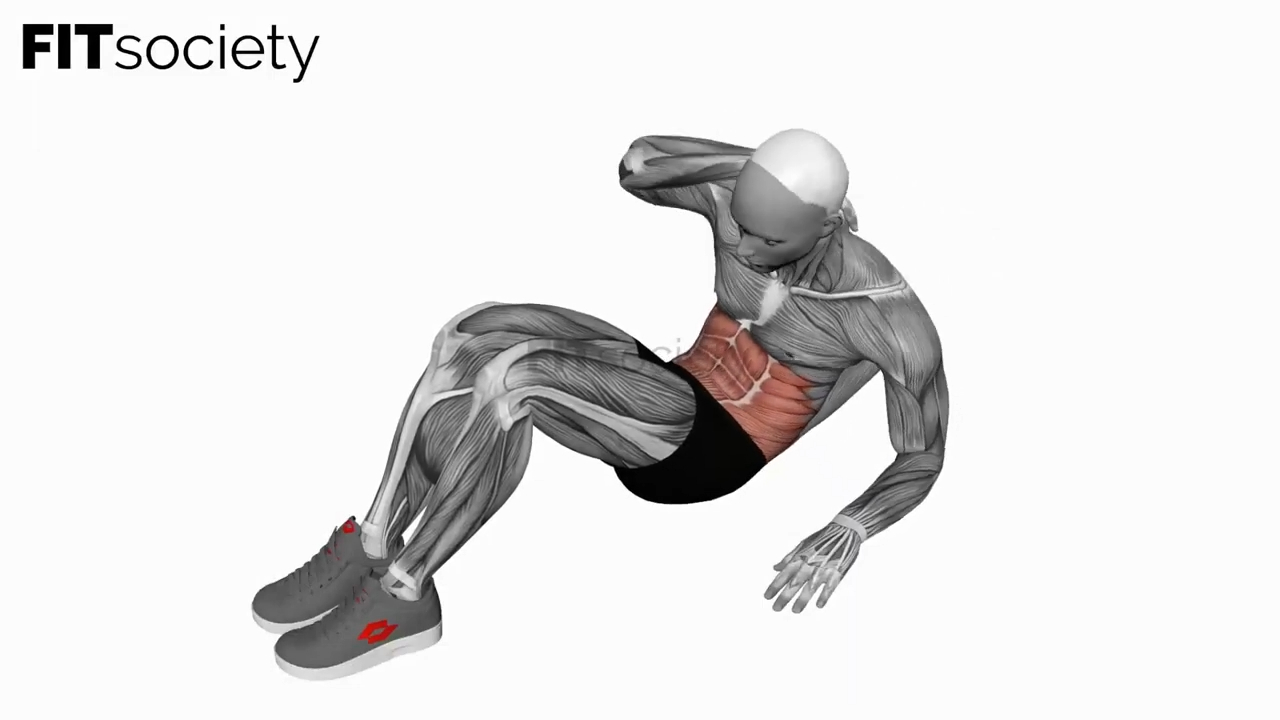
The Alternate Oblique Crunch is an effective exercise for strengthening and defining your obliques. This exercise not only helps build a strong core, but also improves your balance and stability.
Execution
-
1
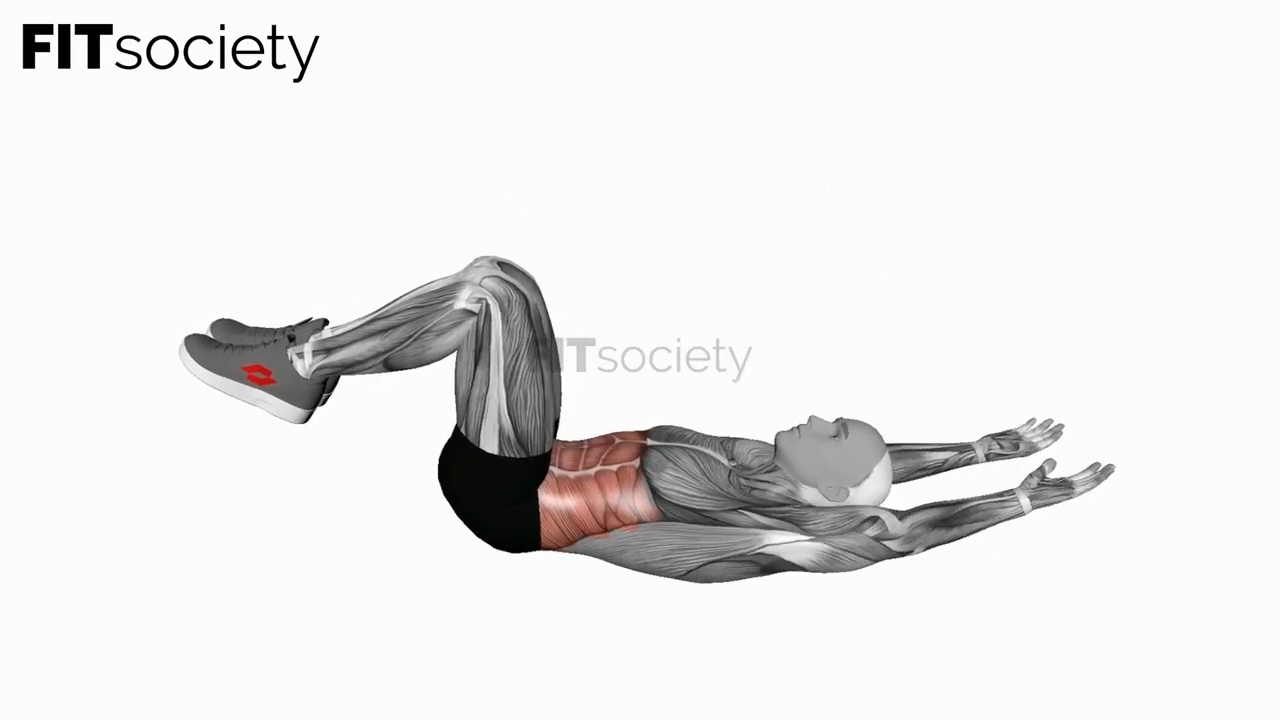
Lie on your back with your knees bent and your feet flat on the floor.
-
2
Place your hands behind your head without straining your neck.
-
3
Lift your shoulders slightly off the floor and rotate your upper body so that your right elbow moves toward your left knee. Keep your other elbow on the floor.
-
4
Return to the starting position and repeat the movement with your left elbow toward your right knee.
-
5
Alternate between both sides for the desired number of repetitions.
Benefits
- Strengthens and defines the obliques.
- Improves core stability and balance.
- Helps prevent back pain through a stronger core.
- Can be performed anywhere without equipment.
Common Mistakes
- ! Pulling on your neck instead of using your abdominal muscles to lift your upper body.
- ! Performing the exercise too quickly. Focus on the quality of the movement rather than speed.
- ! Not rotating fully, which prevents the obliques from being trained optimally.
Primary Muscles
This exercise primarily targets the obliques. The rectus abdominis and the transversus abdominis are also engaged.
Possible Alternatives
- To increase the intensity, you can hold a weight plate or medicine ball while performing the movement.
- For beginners, the exercise can be simplified by keeping your feet off the floor and your knees at a 90-degree angle during the exercise.
- Another variation is to perform the exercise on a stability ball to challenge your core even more.
Run your fitness business with more structure
- Planning, member management and coaching in one platform
- Built for coaches, studios and gyms
- Fewer separate tools, more overview