T-Bar Row
If you are looking for a powerful exercise to strengthen your back, the T-bar row is an excellent choice. This exercise offers a unique combination of strength and stability, targeting the major muscle groups of your back while also engaging your biceps and shoulders.
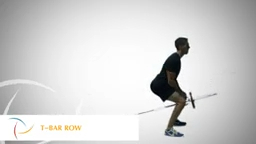
Execution
-
1
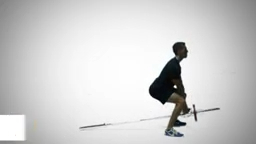
Place the barbell in the T-bar row machine or in the corner of the room with a towel under the end to protect the floor.
-
2
Stand with your feet shoulder-width apart and slightly bend your knees.
-
3
Hinge at your hips and keep your back straight while gripping the handles of the T-bar.
-
4
Pull the bar toward your chest while keeping your elbows close to your body.
-
5
Slowly and controllably lower the bar back to the starting position.
Benefits
- Improves the strength and size of the back muscles.
- Helps improve posture by strengthening the upper back.
- May contribute to better grip strength.
Common Mistakes
- ! Lifting too heavy: Start with a lighter weight to ensure proper form.
- ! Not keeping your back straight: Make sure your back stays straight throughout the exercise to prevent injuries.
- ! Elbows too far from the body: Keep your elbows close to your body to activate the correct muscles.
Key Muscles
The T-bar row primarily targets the latissimus dorsi, but also trains the trapezius, rhomboids, rear deltoids, and biceps.
Possible Alternatives
- Dumbbell rows: For when you do not have access to a T-bar or want to focus on one side of your body at a time.
- Barbell rows: A good variation that also trains the back muscles but requires a slightly different posture and grip.
- Seated cable rows: An alternative that places less stress on the lower back and is suitable for beginners.
Run your fitness business with more structure
- Planning, member management and coaching in one platform
- Built for coaches, studios and gyms
- Fewer separate tools, more overview