Kickboxing


Introduction:
Kickboxing is a dynamic combination of boxing and martial arts that helps improve both your fitness and strength. It is an excellent cardio exercise that can also enhance your coordination and flexibility. In addition, it is an effective way to reduce stress and build confidence.
Execution:
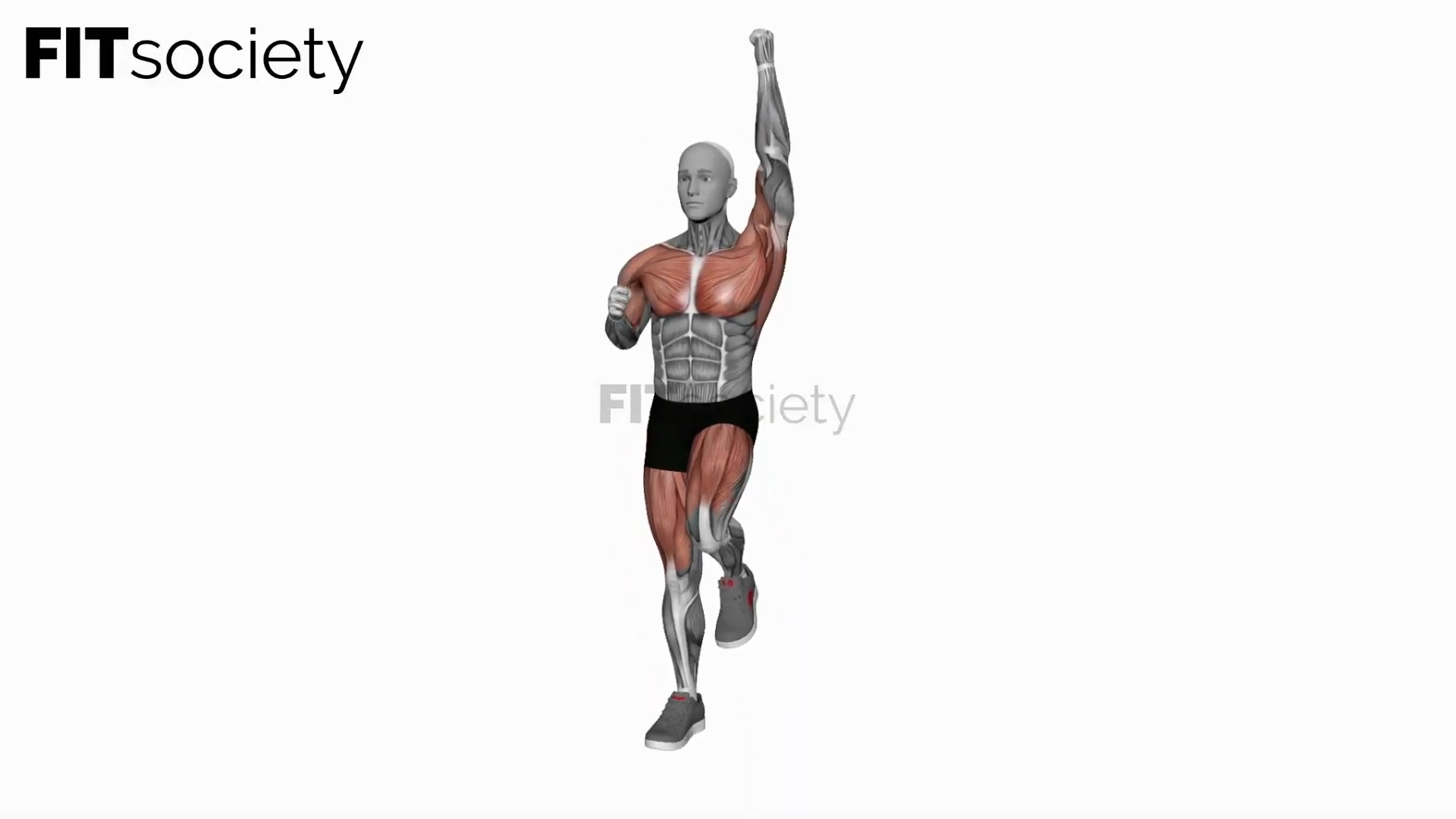
- Begin in a stable fighting stance with your feet shoulder-width apart and your knees slightly bent.
- Keep your hands raised at face level for protection.
- Perform a jab with your lead hand by quickly extending it and fully straightening your arm.
- Pull your hand back to your face and perform a cross with your rear hand, rotating your hip for additional power.
- Then use one of your legs to perform a kick, rotating your hips and extending your leg toward the target.
- Return to your basic fighting stance and repeat the combination.
Key Muscles:
- Quadriceps and hamstrings for power in your kicks.
- Gluteus muscles for stability and power.
- Core muscles, including your abdominal muscles and lower back, for balance and power.
- Chest and arm muscles for punching movements.
Benefits:
- Improved cardiovascular fitness.
- Increased muscle strength and endurance.
- Improved coordination and body awareness.
- Stress reduction through intense physical activity.
Common Mistakes:
- Keeping too much tension in your shoulders; stay relaxed.
- Forgetting to bring your hands back to the defensive position.
- Insufficiently rotating your hips when performing punches and kicks.
- Standing too close to the ground, which makes you less mobile.
Possible Alternatives:
- If you are new to kickboxing, start with non-contact shadowboxing to learn the movements.
- Use a punching bag to feel the impact of your punches and kicks.
- Increase the intensity by using faster combinations or holding light weights in your hands.
Run your fitness business with more structure
- Planning, member management and coaching in one platform
- Built for coaches, studios and gyms
- Fewer separate tools, more overview