Rack Pulls
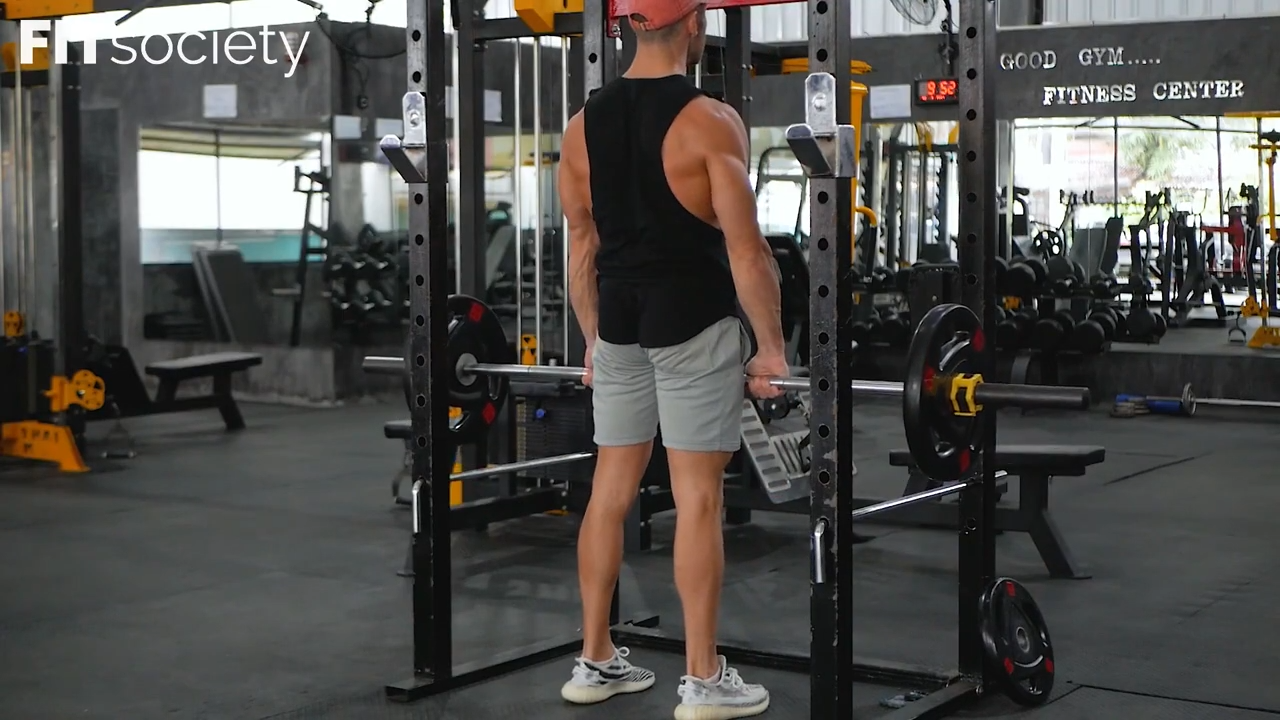
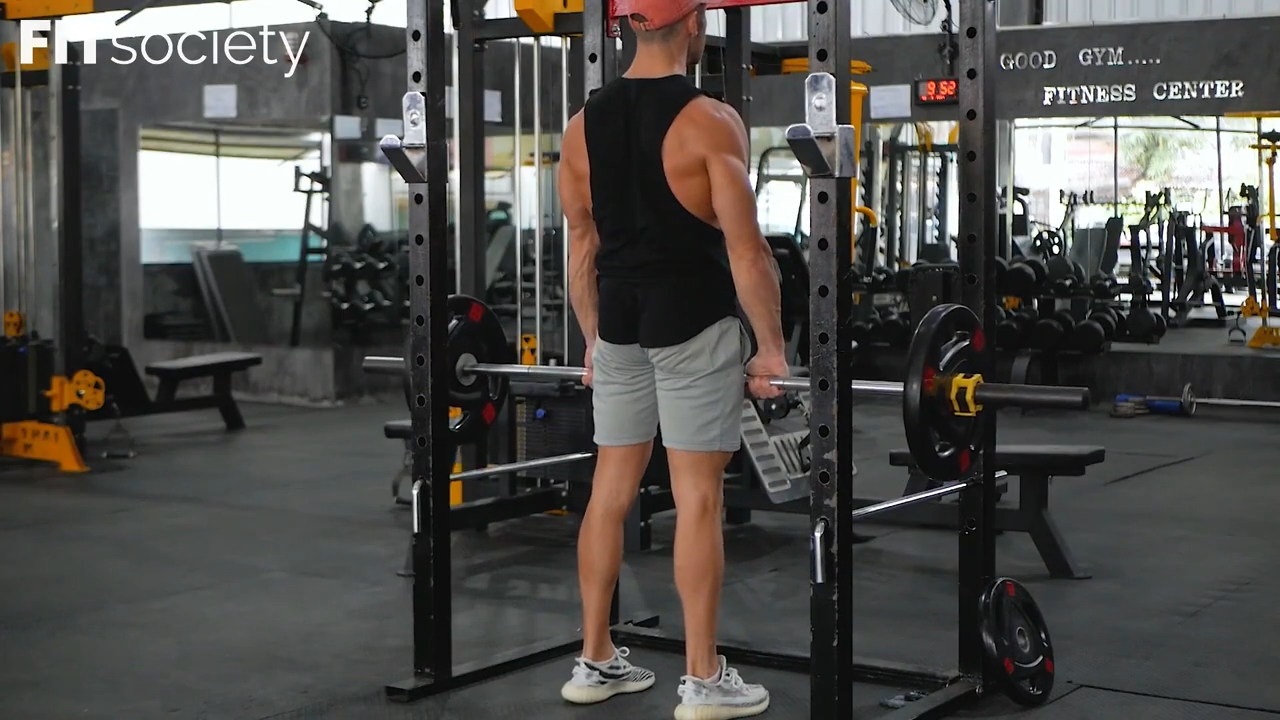
Introduction: Rack pulls are a variation of the traditional deadlift in which the barbell starts from a higher position, usually at knee height or slightly above. This exercise primarily targets the upper portion of your deadlift and helps improve your pulling strength and explosiveness.
Execution:
- Place the barbell on a power rack at the desired height, usually just below, at, or just above the knee.
- Stand with your feet shoulder-width apart, with your toes turned slightly outward.
- Hinge at your hips and bend your knees, then grip the barbell with an overhand or mixed grip.
- Keep your back straight and your chest up, and pull the barbell upward by driving your hips forward.
- Fully extend your hips at the top of the movement and hold the barbell briefly.
- Lower the barbell back to the rack under control.
Primary Muscles: The primary muscle groups trained with rack pulls are the erector spinae, hamstrings, glutes, and, to a lesser extent, the quadriceps and forearm muscles.
Benefits: Rack pulls are particularly effective for strengthening the back muscles and improving grip strength. They also place less stress on the lower back than traditional deadlifts, making them a good option for people with back problems.
Common Mistakes:
- Rounded back: Make sure your back remains straight throughout the exercise to prevent injuries.
- Lowering too quickly: Lower the barbell under control to keep the muscles under sufficient tension and maintain control.
Possible Alternatives: If you want to adjust the intensity of the exercise, you can vary the rack height. A lower setting makes the exercise more challenging and more similar to a full deadlift, while a higher setting makes it easier and focuses more on the lockout phase of the lift.
```Run your fitness business with more structure
- Planning, member management and coaching in one platform
- Built for coaches, studios and gyms
- Fewer separate tools, more overview