Raised Scissors Legs
The Raised Scissors Legs exercise is an effective way to strengthen your core and tone your lower body. This exercise offers a unique combination of muscle activation and endurance, making it an excellent addition to your fitness routine.
Execution
-
1
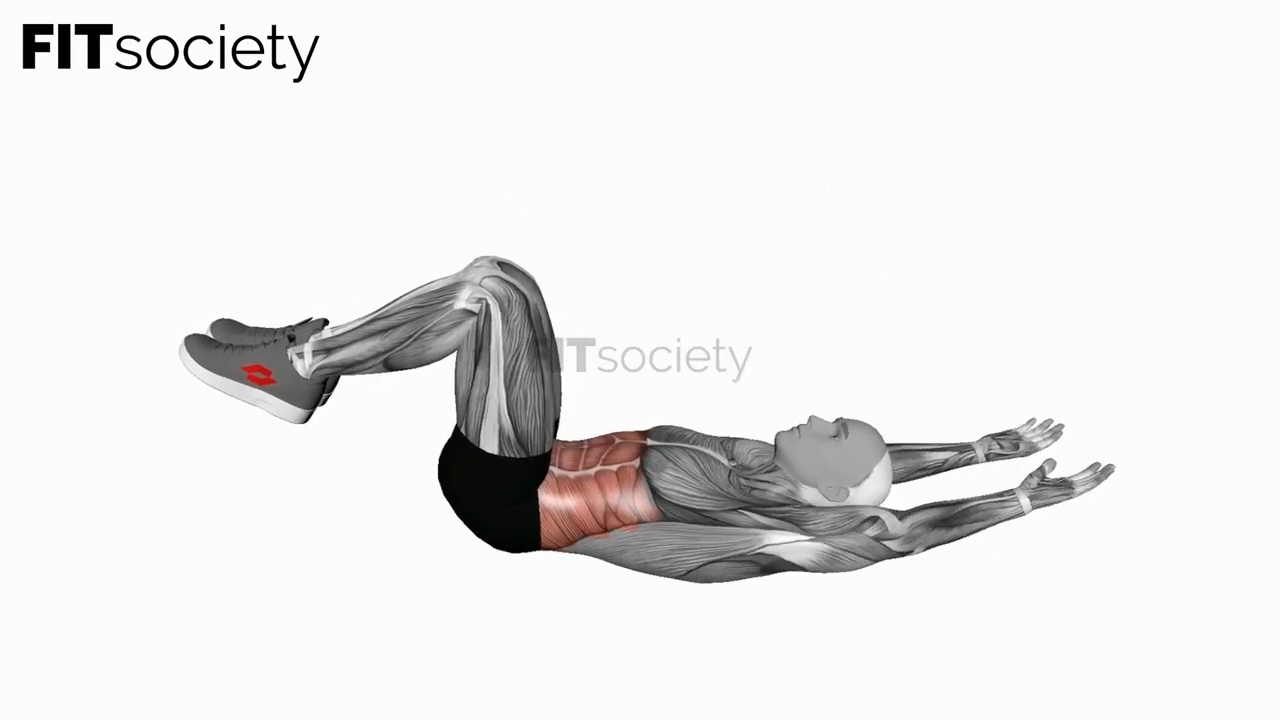
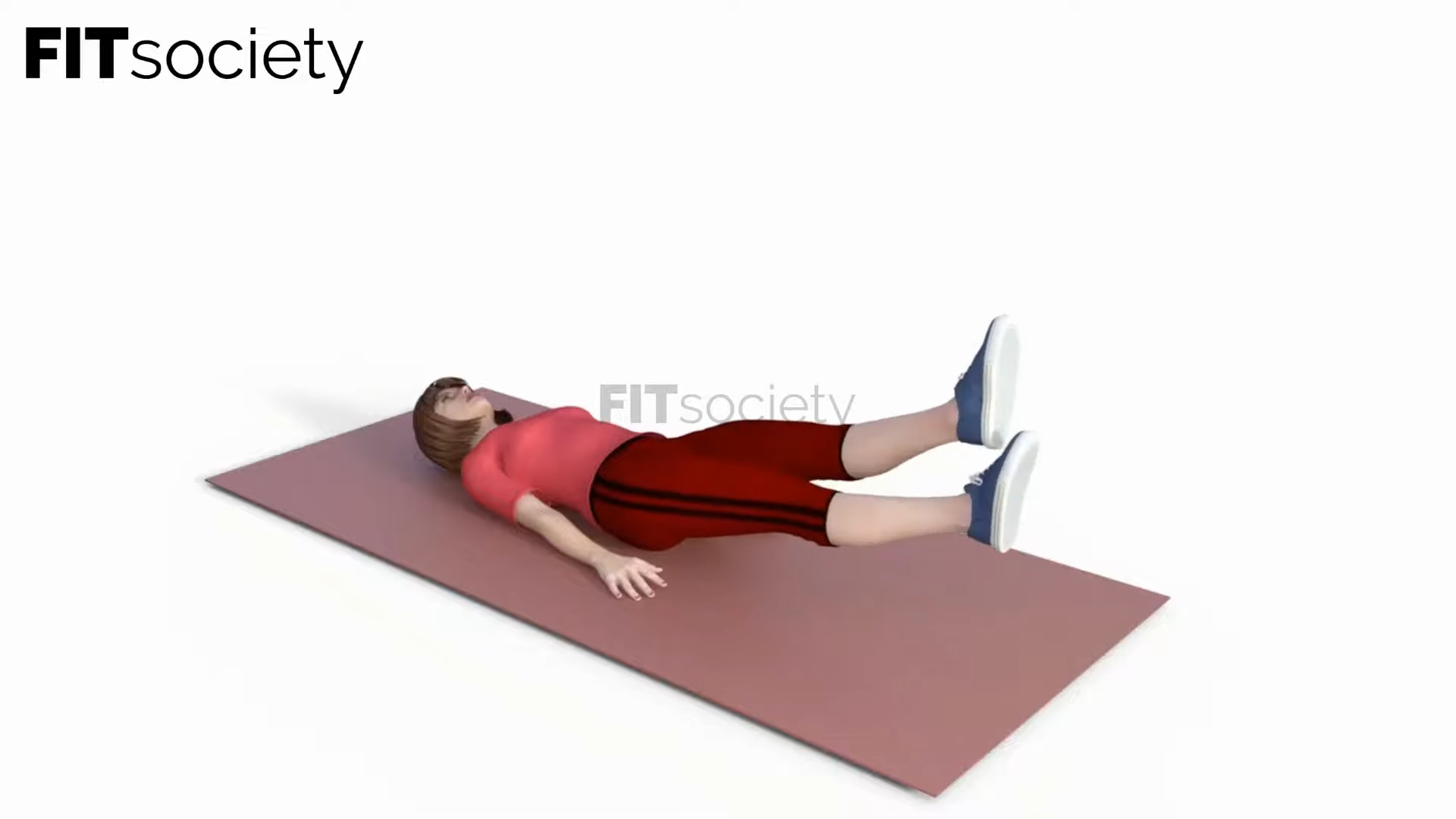
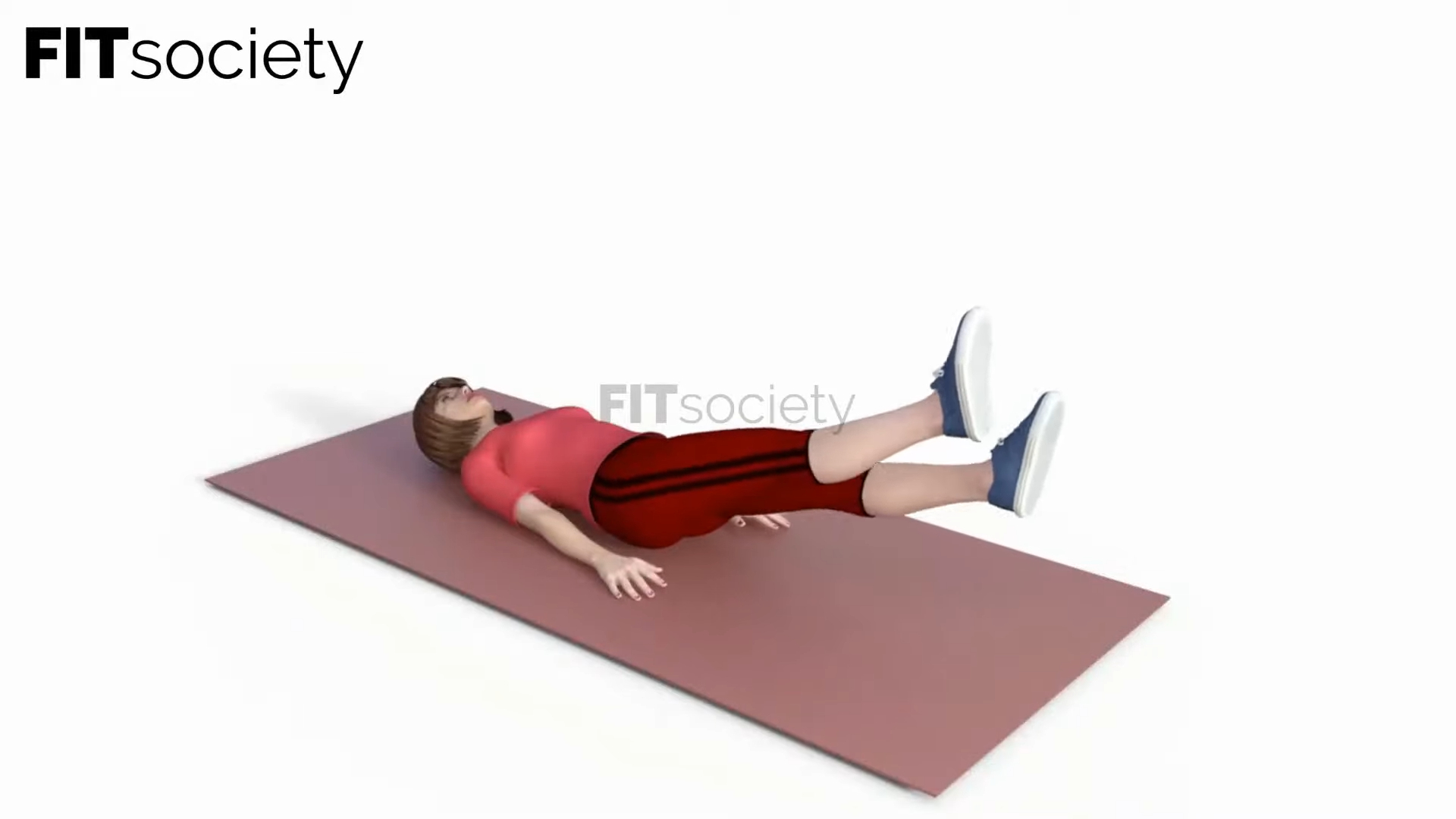
Lie on your back on a mat, with your hands under your glutes for support.
-
2
Lift your legs until they form an angle of approximately 45 degrees with the floor.
-
3
Begin crossing your legs over each other in a scissor motion, moving one leg over the other and then back again.
-
4
Keep your abdominal muscles engaged throughout the entire exercise.
-
5
Repeat the movement for the desired number of repetitions.
Benefits
- Strengthens the core and improves stability.
- Helps develop a tighter and more toned lower body.
- Improves coordination and balance through the scissor motion.
- May help reduce back pain by strengthening the core.
Common Mistakes
- ! Not keeping the back flat on the floor, which can place pressure on the lower back.
- ! Holding the legs too high or too low, which can reduce the effectiveness of the exercise.
- ! Not engaging the abdominal muscles throughout the exercise.
Targeted Muscles
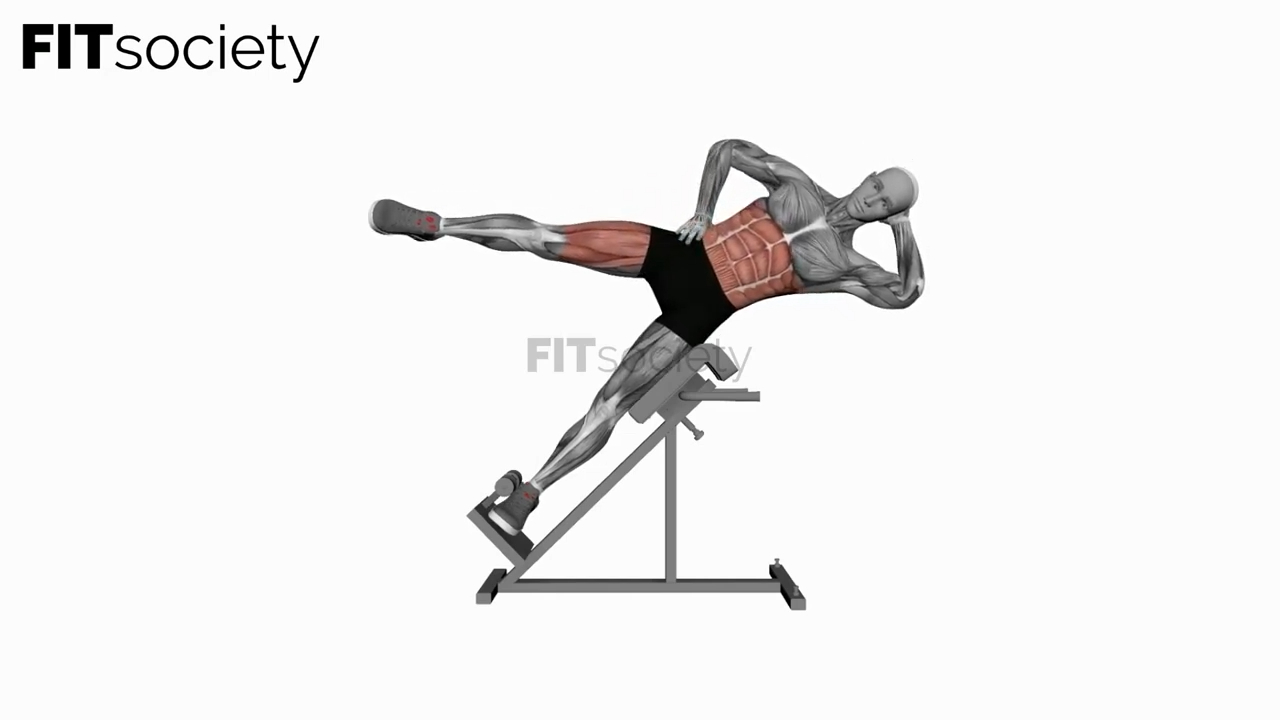
This exercise primarily targets the abdominal muscles, particularly the lower abdominals. The hip flexors and, to a lesser extent, the inner and outer thighs are also trained.
Possible Alternatives
- For a less intensive variation, lift one leg at a time and perform the scissor motion.
- To increase the intensity, you can add ankle weights or increase the speed of the scissor motion.
- Alternatively, you can also try the Reverse Crunch for a different focus on the lower abdominals.
Run your fitness business with more structure
- Planning, member management and coaching in one platform
- Built for coaches, studios and gyms
- Fewer separate tools, more overview