Dynamic Plank
The Dynamic Plank is an intense variation of the traditional plank that improves not only core stability but also the dynamic strength and coordination of your entire body. By adding movement to the standard plank, you challenge your muscles in a new way.
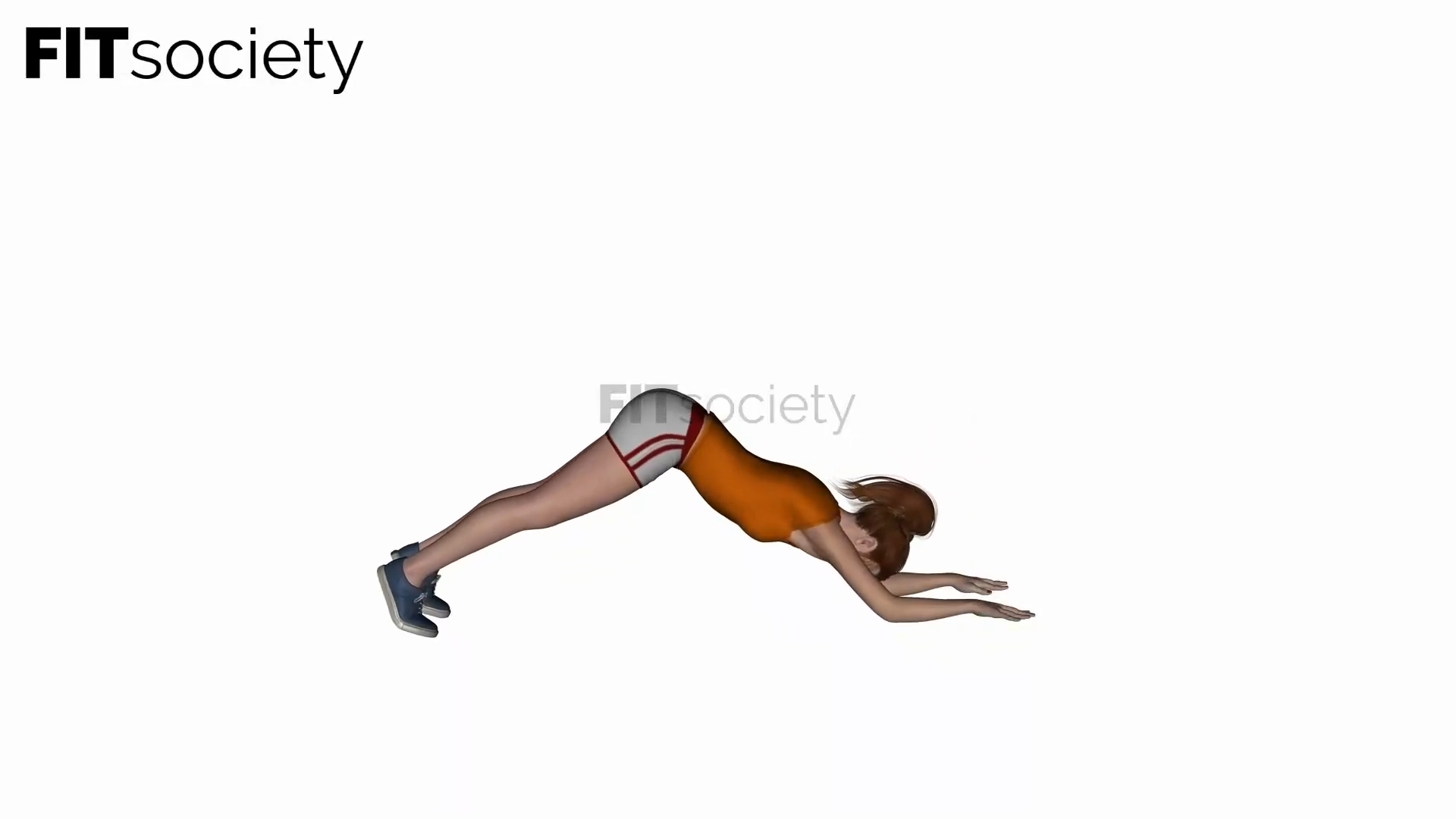
Execution
-
1
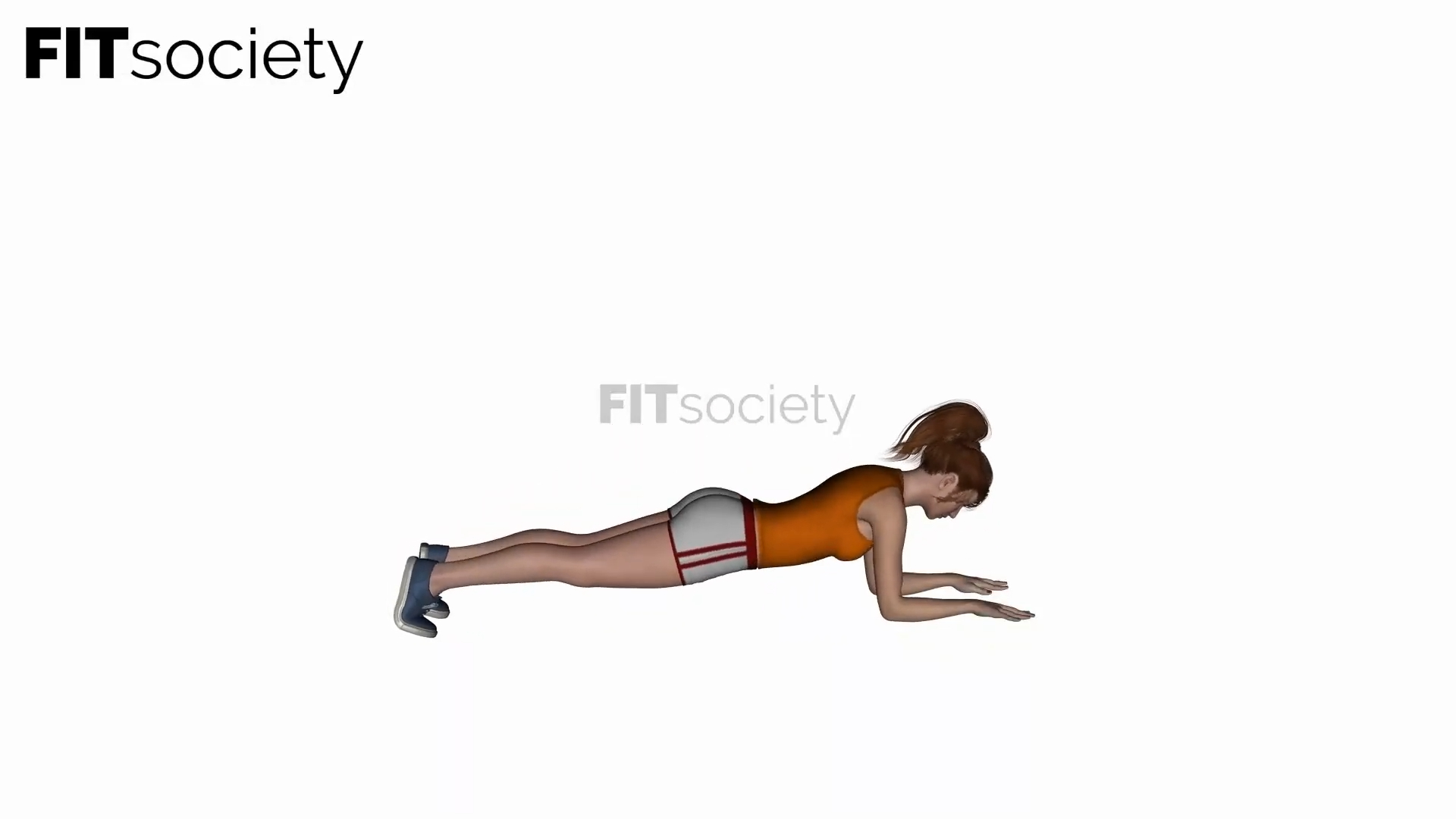
Begin in a standard plank position with your elbows under your shoulders and your body in a straight line from your head to your heels.
-
2
Engage your abdominal muscles and keep your back straight.
-
3
Now move your right hand to where your right elbow was and press yourself up into a push-up position.
-
4
Do the same with your left hand.
-
5
Return to the starting position by bringing your right elbow to the floor first, followed by your left elbow.
-
6
Repeat this movement for the desired number of repetitions.
Benefits
- Improves core stability and strength.
- Increases dynamic strength and coordination throughout the body.
- Helps develop better posture and reduces the risk of back problems.
Common Mistakes
- ! Letting your hips sag, which places extra pressure on your lower back.
- ! Holding your breath; make sure you breathe during the exercise.
- ! Performing the movements too quickly; focus on movement quality rather than speed.
Target Muscles
This exercise targets the core muscles, including the rectus abdominis, obliques, and the deeper transversus abdominis. The shoulders, chest, back, and triceps are also trained through the dynamic movement.
Possible Alternatives
- To reduce the intensity, perform the dynamic plank on your knees.
- For an extra challenge, try the dynamic plank with a leg lift each time you change position.
- Use a stability ball under your feet or hands to make the exercise more challenging.
Run your fitness business with more structure
- Planning, member management and coaching in one platform
- Built for coaches, studios and gyms
- Fewer separate tools, more overview