Downward Dog to Child’s Pose
The Downward Dog to Child’s Pose exercise is a calming combination that brings together the benefits of Downward-Facing Dog and Child’s Pose. This exercise helps stretch the back, shoulders, and hamstrings while also providing a moment of rest and recovery during your workout.
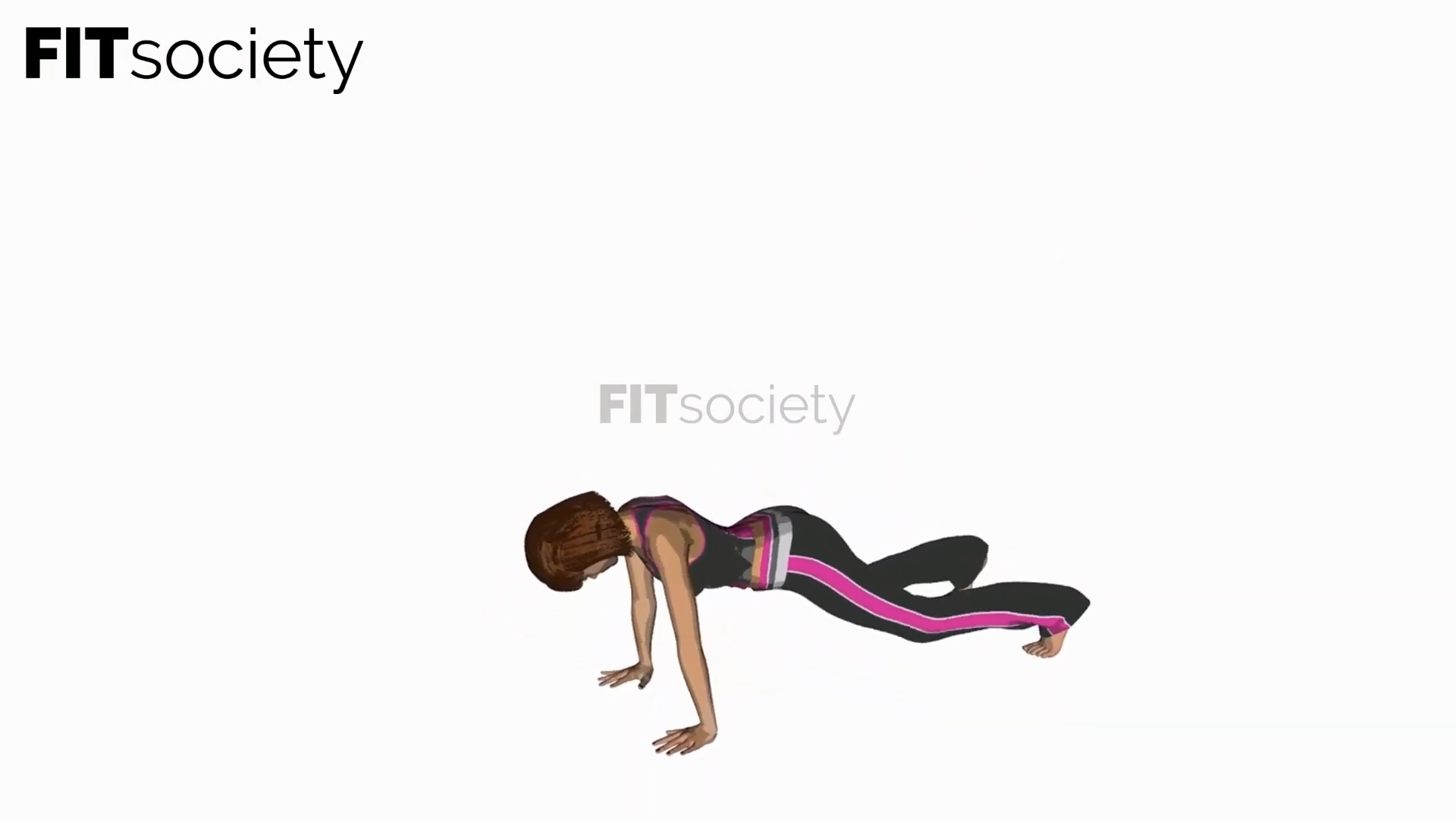
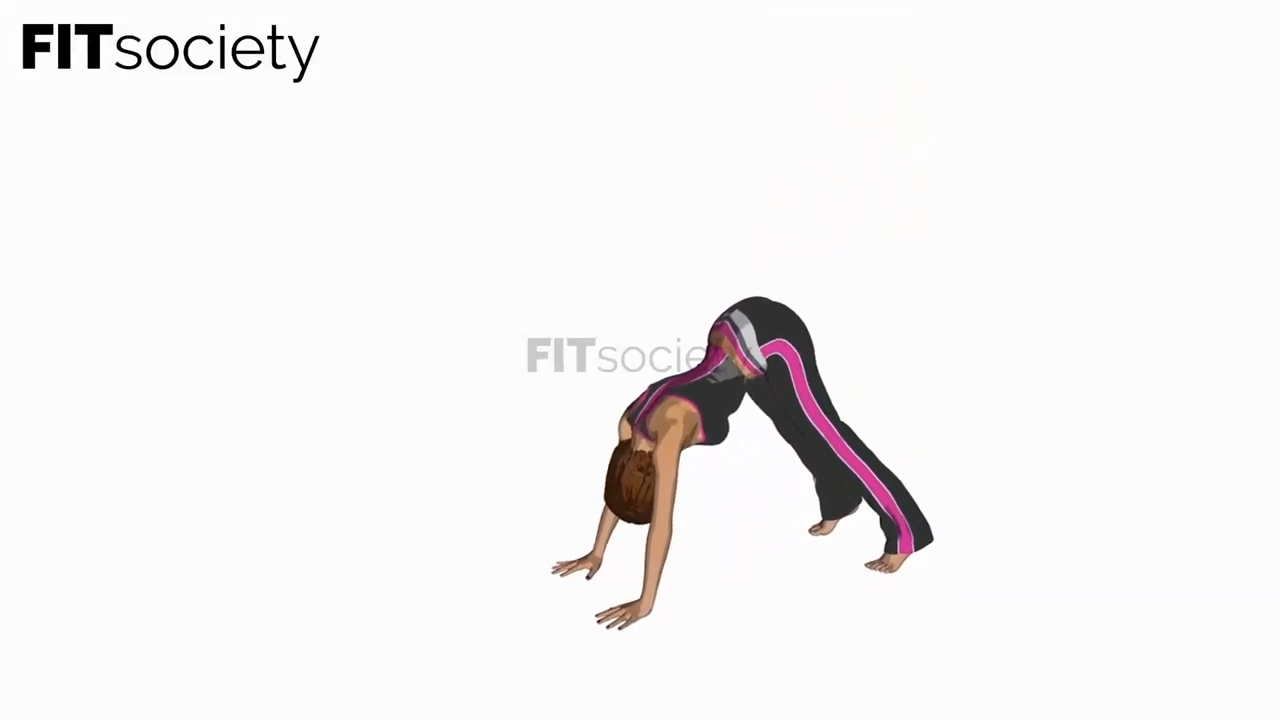
Execution
-
1
Begin in the Downward-Facing Dog position. Make sure your hands are firmly placed on the floor, your hips are raised, and your legs are straight.
-
2
Exhale and bend your knees, slowly bringing them toward the floor.
-
3
Move your buttocks toward your heels while extending your arms in front of you or resting them alongside your body, depending on what feels comfortable.
-
4
Hold this position while breathing deeply in and out. Focus on relaxing your body with each exhalation.
-
5
To finish the exercise, slowly roll up to a seated position on your heels.
Benefits
The combination of Downward-Facing Dog and Child’s Pose helps relieve stress and tension in the body. It improves flexibility in the back and legs and promotes blood circulation. This exercise is also ideal for calming the mind and promoting a sense of inner peace.
Common Mistakes
- ! Not fully straightening the legs in the Downward-Facing Dog position.
- ! Putting too much pressure on the neck and shoulders.
- ! Not fully relaxing in Child’s Pose.
Primary Muscles
This exercise targets the stretch of the back muscles, shoulders, hamstrings, and calf muscles. It also provides a gentle stretch for the hips and thighs.
Possible Alternatives
To adjust the intensity, you can add variations such as Pigeon Pose for a deeper stretch in the hips or Cobra Pose to further strengthen the back muscles. For beginners, placing a rolled-up towel under the knees in Child’s Pose may help reduce discomfort.
Run your fitness business with more structure
- Planning, member management and coaching in one platform
- Built for coaches, studios and gyms
- Fewer separate tools, more overview