Semi private training management means running capped, small-group sessions, usually three to six clients per coach, built around individual programming instead of one group workout. The fastest path to launch: intake consults, an eight-week capped cohort, structured per-session templates, and scheduled goal reviews. Booking and calendar tools, including platforms like FITsociety, support the operational side once the program model is set.
TL;DR:
- Capacity should be limited to three to six clients per coach to maintain individualized attention and prevent scheduling conflicts.
- Small-group sessions typically run for several weeks to months, with pricing structured as packages paid upfront before enrollment begins.
- Coaches must be able to scale programming mid-session, correct form across varied exercises, and manage group safety effectively.
- Internal promotion via current clients and targeted emails are more reliable than external marketing for filling the first cohort.
- Tracking fill rate, attendance, retention, and revenue per coach-hour provides a clear picture of program success and areas needing adjustment.
Quick Setup Checklist Before You Launch a Cohort
A semi-private program fails fastest when the operational basics get skipped. Before opening enrollment, confirm the following:
- Run an intake consult with every prospective client to confirm goals, baseline fitness, and any contraindications.
- Set a firm capacity cap per session and a program length often recommended to be between a few weeks and several months depending on the goal, according to ACE small-group guidance.
- Decide pricing per package before advertising, not after the first client signs up.
- Confirm space and equipment can handle the cap without crowding coaching sightlines.
- Write a deposit and cancellation policy and share it at sign-up, not at the first missed session.
Skipping any of these items tends to show up later as scheduling conflicts or pricing disputes.
Program Design: The Prescriptive Model and Session Templates
Semi-private training works because it is not a group class. ACE Fitness distinguishes small-group training from large group fitness by its preregistration requirement, its participant caps, and the individualized attention built into each session, rather than a single workout delivered to everyone at once, according to ACE’s small-group training overview. That individualization is the model to protect.
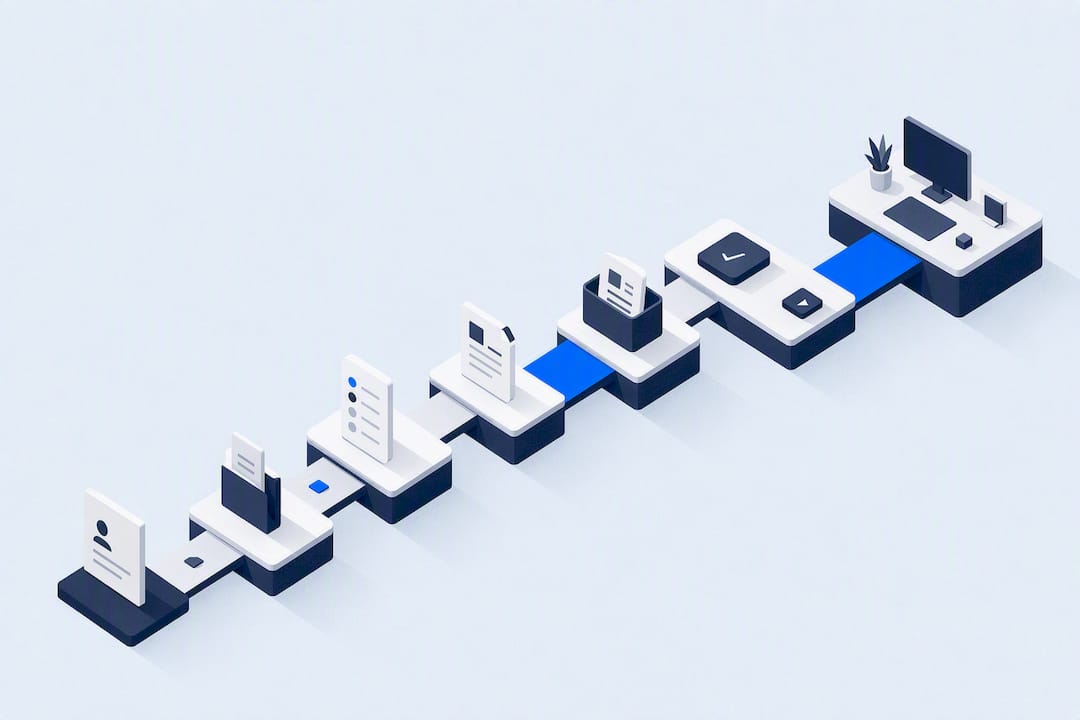
The prescriptive flow has four stages:
- Intake. Capture goals, training history, and any limitations before the first session.
- Programming. Build an individual prescription for each client inside the shared session block.
- Group session. Deliver coaching to the group while adjusting load, reps, or movement per client.
- Check-in. Review progress on a set cadence and adjust the next block.
A single session typically runs: a short group warm-up, focused station work where each client follows their own prescription while the coach rotates for cueing, a mid-session coaching checkpoint, a group cool-down, and a one-line homework note for each client.
An eight-week cohort built on this structure looks like: weeks 1 to 2 for baseline establishment and technique correction, weeks 3 to 6 for progressive loading specific to each client’s prescription, and weeks 7 to 8 for a goal review and re-test.

Pro Tip: Keep a one-page per-client card at each session station so coaches can adjust prescriptions without stopping to check notes on a screen.
Scheduling, Capacity, and Pricing That Protect Value
Capacity decisions drive both coaching quality and margin. ACE’s small-group framework points to group sizes typically under a dozen clients as the range that still allows individualized attention, though many semi-private formats run tighter to preserve the one-to-one feel inside a group price point, according to ACE’s guidance.
- Price by package (an eight or twelve-week block), not by drop-in session, to secure revenue up front.
- Blend small-group sessions with occasional one-to-one add-ons to raise revenue per coach-hour without adding headcount.
- Use a waitlist with auto-fill so a canceled spot does not sit empty.
- Require a deposit or a cancellation window to keep no-shows from eating into capacity you already planned around.
ACE’s own example math shows that combining a small-group block with periodic one-to-one sessions increases a trainer’s weekly revenue compared to one-to-one work alone, while still charging each client less than a private session would cost.
Staffing and Coach Training for Semi-Private Delivery
Running a semi-private session asks more of a coach than leading a group class. The coach needs to design programming, assess each client quickly at intake, and manage group dynamics at the same time.
Before a coach runs a cohort solo, confirm they can:
- Cue and correct form for multiple clients doing different exercises in the same block.
- Scale a prescription up or down mid-session without breaking the group’s flow.
- Run a session within its time block consistently, including warm-up and cool-down.
- Spot and flag safety issues across a group rather than one client at a time.
- Deliver a structured goal review conversation, not just a workout.
A single coach per three to six clients is a common staffing ratio. Rotating coaches across cohorts, rather than assigning one coach to every session indefinitely, helps avoid burnout and keeps programming fresh.
Intake, Goal Reviews, and Retention Workflows
Retention in semi-private programs is built into the review cadence, not bolted on afterward. A 2017 study of 98 adults in a semi-private, individualized small-group program found that satisfaction with the format was linked to greater exercise self-efficacy and life satisfaction, according to the Journal of Strength and Conditioning Research. That social and psychological payoff is worth reinforcing deliberately through reviews.
- Intake form. Capture goals, baseline metrics, training history, and contraindications before the first session.
- Mid-program check-in. A brief touchpoint around week four to catch adherence issues early.
- Goal review. A structured conversation at six to twelve weeks covering progress against baseline, next-block goals, and renewal.
Pro Tip: End every goal review with a concrete next step: a renewed package, an upsell to one-to-one add-ons, or a referral ask, rather than leaving the conversation open-ended.
Software Workflows and Calendar Integrations for Running Programs
Capped sessions, waitlists, and recurring enrollment create scheduling complexity fast once a cohort grows past a handful of clients. Booking software built for this reduces the admin load:
- Capped session setup with automatic waitlisting once a cohort hits its limit.
- Package gating, so a client can only book sessions covered by their current package.
- Payment capture tied to booking, rather than tracked separately in a spreadsheet.
- Two-way calendar sync with Google Calendar and Microsoft Outlook/Microsoft 365, so coach schedules stay aligned without manual entry.
- Automated reminders that cut down on no-shows across a full roster of small-group and one-to-one sessions.
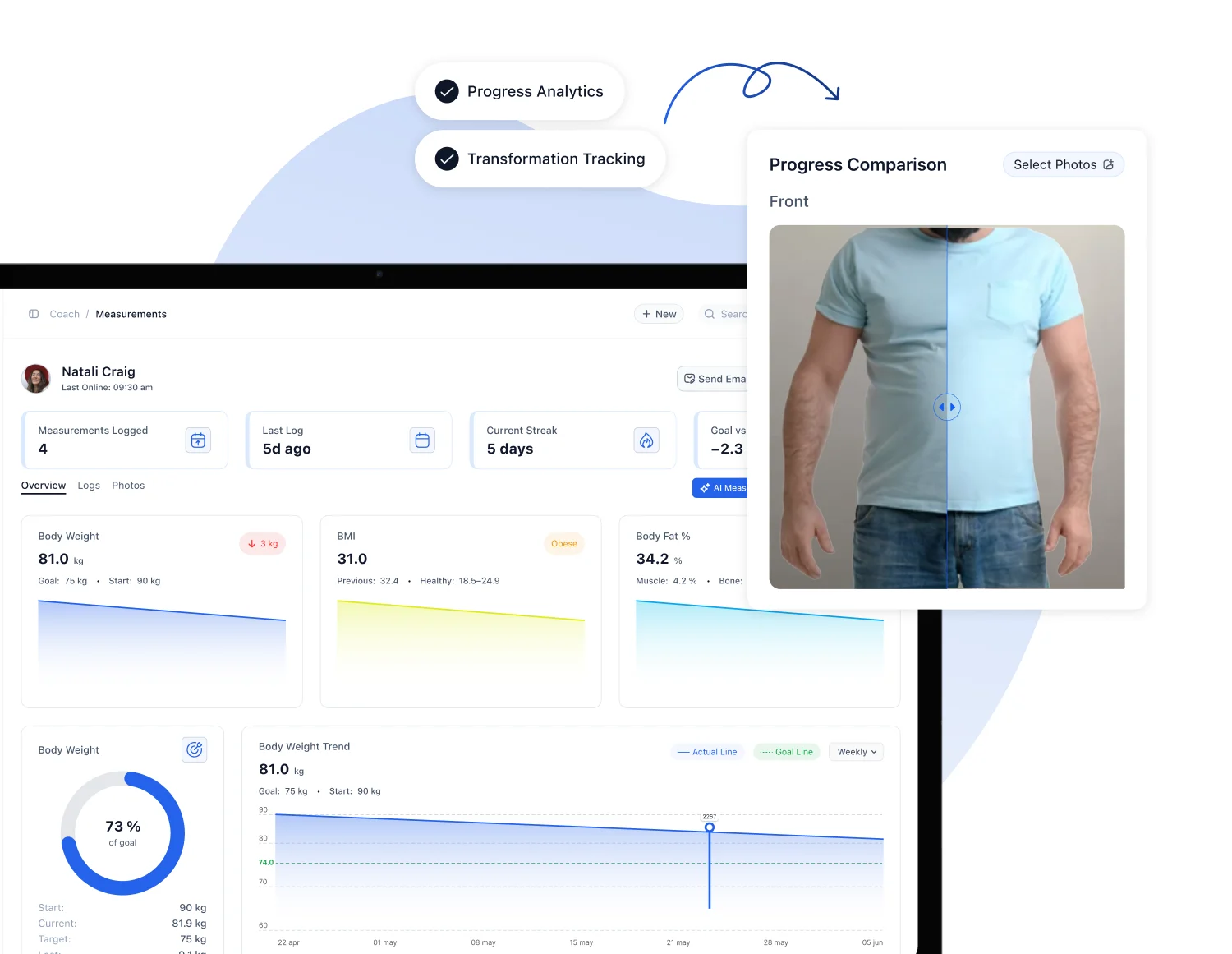
FITsociety connects a booking calendar, member records, and session notes in one dashboard, supporting group classes, small-group sessions, one-to-one appointments, and online PT. A unified client record means a coach can see intake notes, past sessions, and payment status in one place instead of switching between tools, a pattern covered in more detail in our piece on moving from scattered tools to one platform.
Marketing and Internal Launch: Fill Your First Cohort
A first semi-private cohort fills more reliably from an existing client base than from outside advertising. A practitioner launch playbook recommends seeding the first cohort internally through goal review conversations, rather than running broad external marketing before the program has proven itself, per the TwoBrain Business launch playbook.
- Identify current one-to-one clients whose goals fit the semi-private format and raise it during their next goal review.
- Send a short, targeted email to clients who match the program’s ideal profile, naming the specific cohort dates.
- Have coaches personally mention the program to clients they already train, rather than relying on a general announcement.
- Offer a single trial session before asking for a full package commitment.
Key Metrics and Retention Benchmarks to Track
A small set of numbers tells you whether a semi-private program is working:
- Fill rate: booked spots against capacity per cohort.
- Attendance rate: sessions attended against sessions scheduled.
- Completion rate: clients finishing the full program length.
- Revenue per coach-hour: total cohort revenue divided by coach hours delivered.
- 90-day retention: clients who rebook or renew after the first cohort ends.
Most of these can be pulled from booking and payment reports rather than a separate spreadsheet, provided the booking tool logs attendance and renewals against each client record. A fill rate that stays low after two cohorts usually points to a scheduling or pricing problem, not a marketing one. Rising no-shows or a drop in 90-day retention is a signal to revisit the goal review script before changing the program itself.
How FITsociety Supports Semi-Private Program Operations
Running a semi-private program well means less time on scheduling and more time coaching. We built FITsociety as community-driven fitness software, shaped by ongoing feedback from the trainers and studio owners who use it, to handle the operational side of exactly this kind of program:
- A booking calendar that supports capped small-group sessions, one-to-one appointments, group classes, and online PT in one view.
- Two-way sync with Google Calendar and Outlook/Microsoft 365 so staff schedules stay current without manual updates.
- Member records, intake forms, and progress tracking tied together, so goal review conversations draw on real session history.
- A public API and MCP support for teams building connected coaching workflows.
We don’t promise every feature request gets built, but community input actively shapes what we improve next. Our Coach plan covers up to 100 members and 2 coaches at €179 per month (billed monthly); larger teams can check Team and Club plan limits directly. Coaches remain responsible for programming and client safety regardless of the software behind it. Explore the coaching features or visit FITsociety to see current plan options.
FAQ
What is a group PT session?
A group personal training session involves a trainer coaching multiple clients at once, typically following individual or shared prescriptions depending on the format. Semi-private sessions cap the group small, often three to six clients, so each person still gets individualized coaching within the shared time block.
How much does a personal trainer cost for one month?
Personal trainer pricing varies widely by region, format, and session count, and no single verified figure applies across markets. Semi-private packages are generally priced lower per client than one-to-one training, since the trainer’s time is split across the group.
Can personal trainers earn strong income running semi-private programs?
Income depends heavily on location, client volume, and pricing model, and no single verified figure applies across the industry. Combining small-group formats with one-to-one add-ons is one way trainers increase revenue per coach-hour, since ACE’s guidance shows group pricing can lift weekly revenue compared to one-to-one work alone.
What training do coaches need to run management or supervisory roles in fitness?
Advancement into head trainer or studio management roles often requires hands-on coaching experience and, in many cases, a relevant degree such as exercise science, according to the Bureau of Labor Statistics. Specific requirements vary by employer and region.
Sources
- Sharing a personal trainer: personal and social benefits of individualized, small-group training — Journal of Strength and Conditioning Research (2017)
- The Definitive Launch Playbook for Semi-Private Training in Gyms — TwoBrain Business
- Discover the benefits of small-group training — ACE Fitness (2015)